BIS Sounds Alarm on Lightly Regulated 'Shadow Crypto Financial System'
A newly released Bank for International Settlements report warns that many crypto service providers function like banks without proper safeguards.

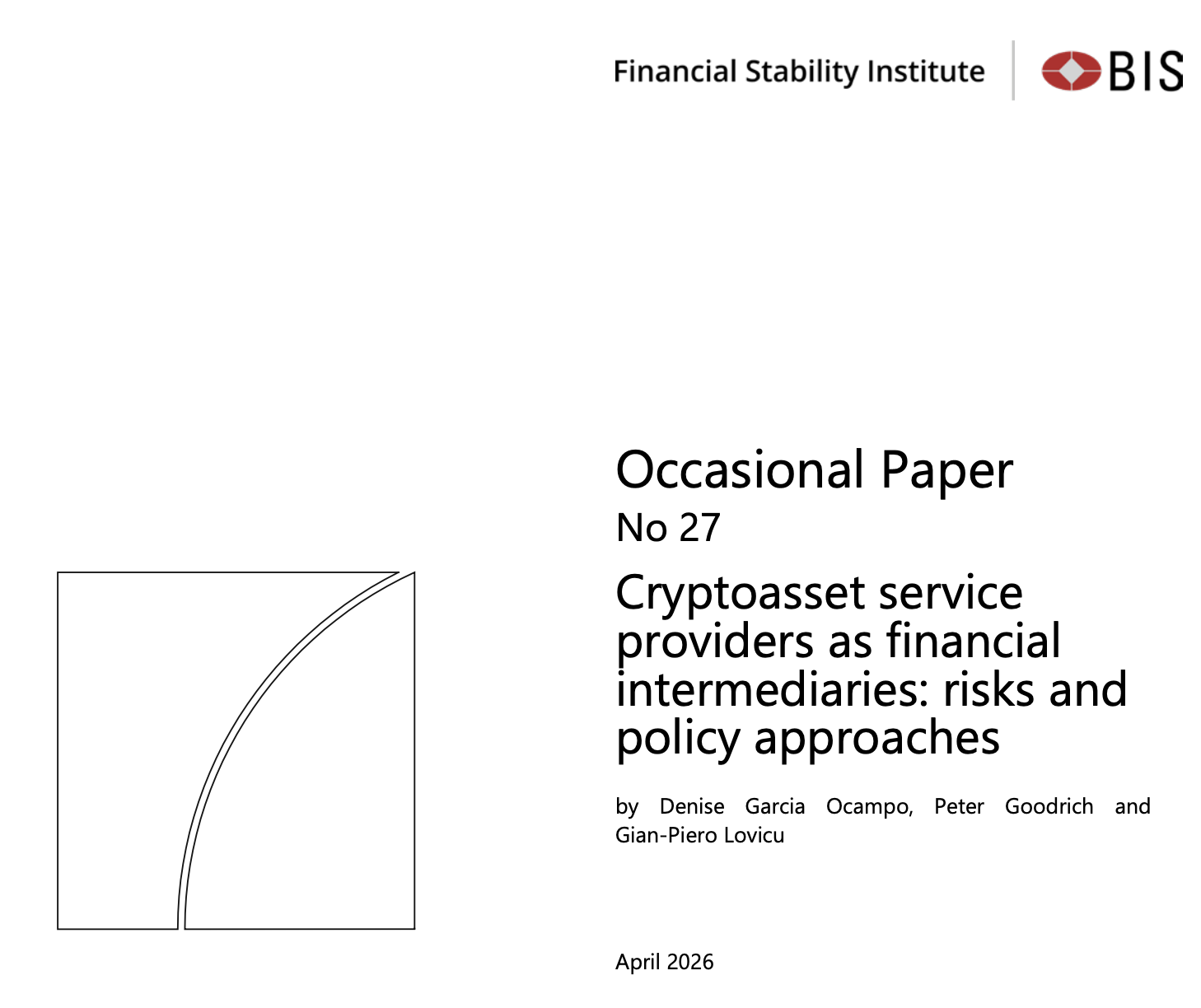
In a newly published research report, the Bank of International Settlements (BIS) warns that many cryptoasset service providers, or CASPS, engage in risky financial intermediation activities traditionally performed by banks and prime brokers, without the prudential safeguards that apply to such intermediaries.
What's the Scoop?
- Shadow Dangers: The BIS is sounding the alarm on CASPS that together form a lightly regulated shadow banking sector. According to Occasional Paper Number 27, such service providers offer lending and “earn” products that resemble traditional bank deposits, but that lack deposit insurance, regulatory oversight, and other standard safeguards. The BIS report argues many of these products are effectively unsecured loans to platforms, despite being marketed to retail consumers as passive income opportunities.
- Listed Examples: Binance, Bybit, Coinbase, Crypto.com, MEXC, and OKX (and FTX prior to its collapse) are all named by the BIS as examples of lightly regulated shadow crypto banks. Some of these firms have ownership links with stablecoin issuers and have a wide geographic reach, operating in many jurisdictions around the world, often with the aid of local subsidiaries.
- Risk Transformation: Crypto shadow banks engage create risk for their depositors when they accept customer assets and use those assets to fund lending, market-making, and other activities. These activities involve risk transformation and present novel take on credit, liquidity and maturity risks.
- Past Lessons: The BIS points the failures of Celsius and FTX, along with the $20B 10/10 liquidation flash crash crisis that occured last October, as evidence of the systemic risks tied to leverage and opacity.

Jack Inabinet
Jack Inabinet is a Senior Analyst with a passion for exploring the bleeding edge of crypto and finance. Prior to joining Bankless, Jack worked as an analyst at HAL Real Estate where he conducted market research and financial analysis for commercial real estate development and acquisition activities in the Seattle region. He graduated from the University of Washington’s Michael G. Foster School of Business.