

Subscribe to Bankless or sign in
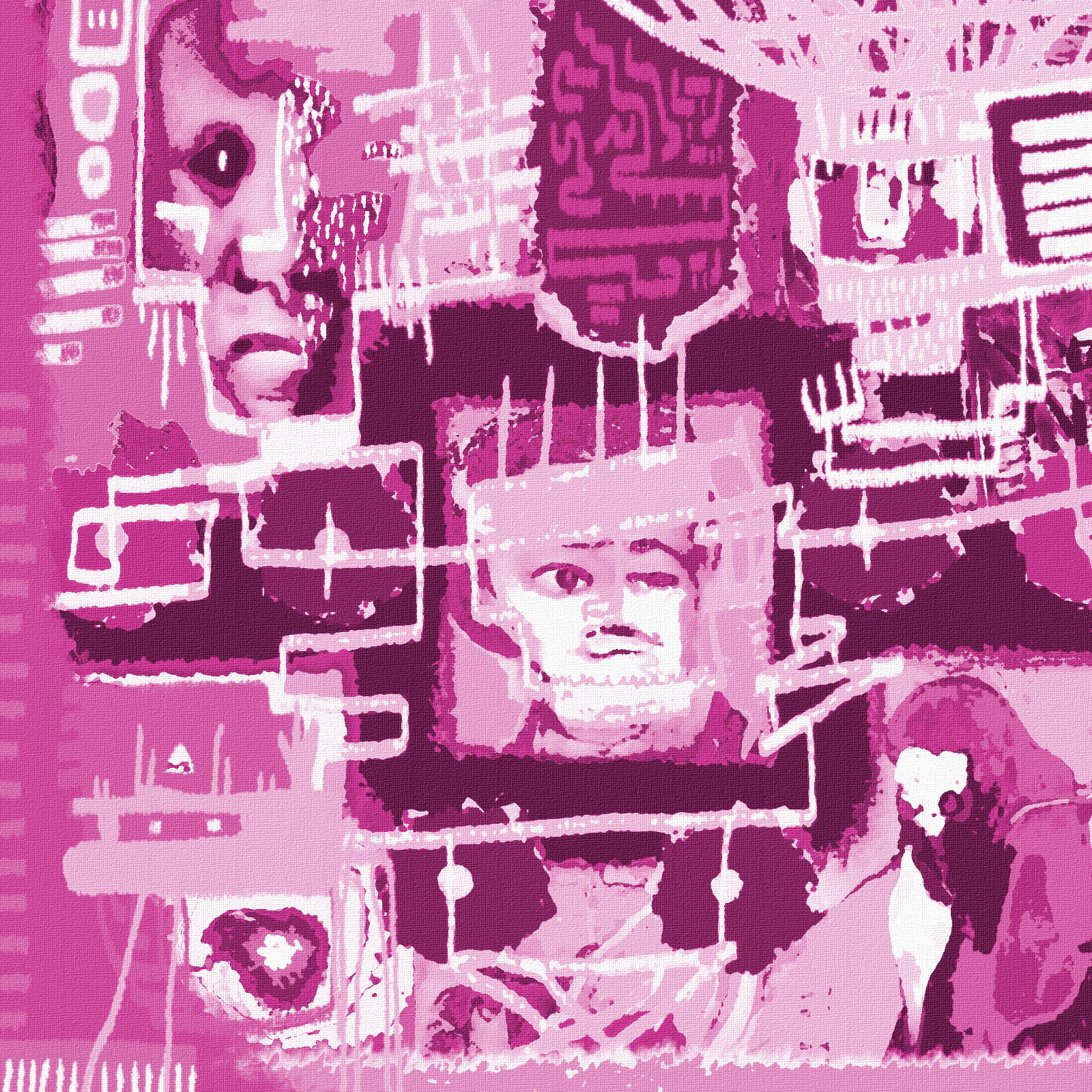
In my recent piece on PND's new Catalog feature, I noted an old GAN collage series I'd made in August 2020 on InfiNFT.
The platform has long since faded away, but in my ancient wisdom I can tell you it was unprecedented at the time, which got me interested in trying it in the first place.
Why unprecedented, though?
Well consider the context. The "NFT boom" began picking up in January 2020, and by the fall of that year the NFT scene's surge was still embryonic in every sense, from attention to infra and beyond.
Yet even by that point there were examples of bad patterns, e.g. Ascribe closing its private servers in 2018 and thus eventually borking the metadata of iconic pieces like XCOPY's earliest cryptoart mints.
That said, the InfiNFT team, short lived and underexplored as their platform ended up being, had the foresight in those primordial days to make the trio of onchain metadata + Arweave storage + IPFS storage its minting default.
I say "unprecedented," then, because this was the 1st platform to streamline these three storage modes into a single easy minting flow. Why this matters is simple, storage redundancies mean resolute accessibility. People shouldn't have to worry about NFTs breaking over time, which has, does, and will continue to happen in the absence of strong guarantees.
My point is that the triple redundancy approach works.
Enjoying this article?
Subscribe to Bankless or sign in
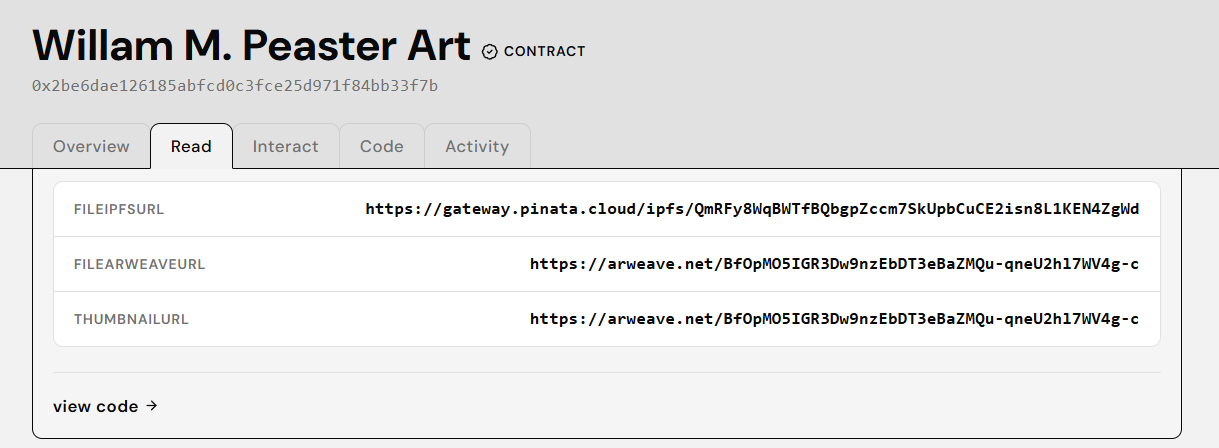
I myself hold more than a few "lost NFTs" in my wallet that were underpinned by now-offline private servers. In contrast, I can still look up my old InfiNFT mints on a block explorer like evm.now and inspect the onchain metadata and access the images on Arweave and IPFS.
This accessibility is available to me or anyone else six years after I created these NFTs, a fact that supports why I think this redundancy pattern is just plainly the ideal model for NFT mints.
Curiously, though, no other project I'm aware of ever copied this sort of flow during the 2021 NFT bull run and through the end of that market cycle. Many projects in that era just turned to temporary IPFS pinning, which is not a resolute storage solution on its own.
That's why I was recently happy to come across Forever Library and its new URI sharding technique, which effectively (though through its own unique architecture) picks up where InfiNFT left off back in the day.
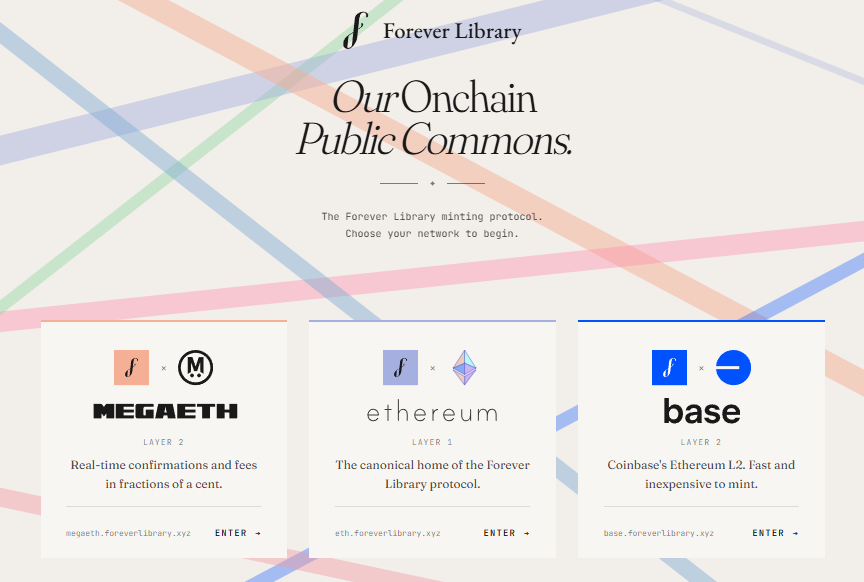
Rather than forcing a choice between any single storage method at mint time, this URI sharding approach lets you attach multiple parallel versions of your token's metadata as separate immutable shards.
For example, if your IPFS pin lapsed, you could route to your Arweave shard, or your fully onchain EthFS shard, or your Irys shard, etc. This system notably allows for extensibility, too. If you want to add a high-res private server shard later on, you could do that. You can also lock your storage choices in to make them immutable.
Of course, Forever Library is still a small project, and URI sharding might seem niche to most people. But I think unglamorous, important work deserves more attention in general, especially in the  Ethereum ecosystem. And honestly I could envision this sort of sharding being adopted far beyond just the realm of digital collectibles.
I for one appreciate the experimenters who are thinking seriously about how onchain objects can hold up over decades. This is the sort of work that will matter and long after the noise from any given cycle has faded. Keep it on your radar accordingly.