38 - The World Is Waking Up To Crypto | Raoul Pal
Chatting with one of the world's most renown macro investors on Bitcoin, Ethereum, and the Bankless movement



Up next
All episodes 01:30:01
Podcast
01:30:01
Podcast
37 - Crypto is Empowering | Phil Bonello
 01:24:58
DeFi
01:24:58
DeFi
36 - The DeFi Blockspace Cycle | Nic Carter
 01:59:01
Ethereum
01:59:01
Ethereum
35 - Designing Ethereum | Vitalik Buterin
 NFTs
NFTs
34 - The Ownership Economy | Jesse Walden
 01:46:50
Ethereum
01:46:50
Ethereum
33 - Slaying Moloch | Ameen Soleimani & Kevin Owocki
 01:48:09
NFTs
01:48:09
NFTs
32 - The Bull Case for NFTs | Jake Burkhman & Andrew Steinwold
 01:42:14
DeFi
01:42:14
DeFi
31 - Nexus Mutual to Billions | Hugh Karp
 01:52:56
Podcast
01:52:56
Podcast
30 - Synthetix to Billions | Kain Warwick
Inside the episode
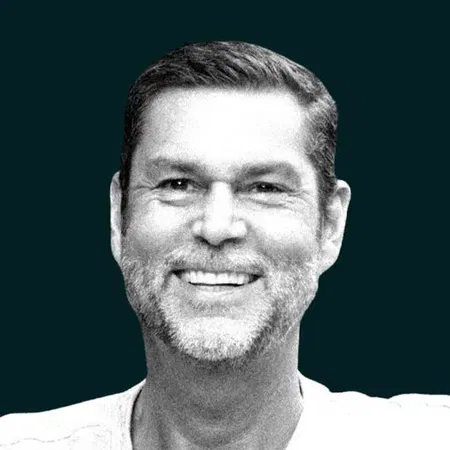
Raoul Pal is the CEO and co-founder of Real Vision, which is a content production studio focused on democratizing access to financial knowledge. He’s an investor with a sharp eye on the global macro environment, and has a strong grasp on the relationship between history and economics.
Raoul is famous for being 'irresponsibly long' on Bitcoin, and has expressed similar favorable attitudes towards Ethereum and DeFi.
We start the episode asking about the role that Bitcoin fills in the current financial crises.
What about the current state of the world makes Raoul bullish on Bitcoin? Why does the world need it? Why now?
What are the factors that are influencing the incentives behind central governments printing money?
Raoul is generally of the opinion that the money printer is going to be forced to turn on. Why forced? How does the looming retirement crisis impact the valuation of Bitcoin?
Does Raoul think about how the U.S. might become really jealous of people taking their newly printing money and buying Bitcoin with it?
Then, we turn the conversation to Ethereum, ETH, and the Bankless thesis!
RESOURCES
- Check out Real Vision and the retirement crisis video
- Watch Reinventing the money system with Ethereum
- Watch Bitcoin is a life raft
Transcript
welcome to bankless where we explore the frontier of internet money and internet finance this is how to get started how to get better and how to front run the opportunity this is ryan sean adams i'm here with david hoffman and we're here to help you become more bankless david how are you doing after that epic episode absolutely fantastic ryan raul paul of real vision has a ton of different views and opinions and theses about how this crypto space is going to unfold and for
those that don't know real vision does just a fantastic job of producing content that is distilling and digesting complex information about the world economy about finance into ways where people that don't have you know privileged access to information or specifically a financial background can really understand it and one thing that is really exciting to me is that raul and his company real vision are really putting a big step forward into the world of crypto raul is super bullish on bitcoin he's really interested about
ethereum he understands defy and he's also making a ton of content around it so we wanted to get raul on at the bankless podcast to kind of hear about his thoughts and mental models and ideas about how the story of crypto is going to unfold as it relates to kovid as it relates to mmt as it relates to money printing and all the other theses and conversations that we have on the bankless podcast ryan what did you like about this episode yeah it's just stellar i think i think you summarized it super well but one thing you said when we were having our after podcast
conversation that kind of sticks with me is like raul brought a whole new dimension to the types of things that we we talk about generally right and like we brought this other dimension to him so it was almost a little bit of like a meaning of the minds like almost a venn diagram of new material that you wouldn't typically hear on bankless he was talking about you know macro and he was talking about like you know a practical way to see how nation states and banks might fit into this new open financial paradigm and we
were talking about you know monetary policy of of ether and we're talking about how defy could be an underlying layer for these banks and you know it was it was a really nice i think meeting of the minds in that way and if there's anything right so if i were to be sort of introspective and say like bankless the bankless thesis is uh fantastic it's part of how i think the world will play out and i think you do too david um but you know sometimes there are times where we can err on the side
of being a bit more revolutionary than maybe the world is is ready for and raoul comes from the world of existing bankers and things as they were and he's still attracted to crypto and bitcoin but he's very pragmatic and that's why i felt like this was a nice balance we were coming to him with like hey the bankless revolution and raul was coming and saying like hey like this is how i think it's going to work out with the banks and they're going to be cooperating with one another and i felt like it came together really nicely and should be a super interesting
listen for folks that are tuned in if there's one thing that raul isn't it's tribal it's really hard to get away from tribalism in the crypto space we do our best here on bank list to not be tribal but i think it probably seeps in every now and then we are crypto native right so we have the crypto native perspective and sometimes it's hard to get out of the crypto native perspective and raul doesn't have the crypto native perspective he's coming from the outside in and having those two perspectives i think is really valuable to see what
conversations happen when you know somebody out from outside of the world of crypto who's as bullish on crypto as we are i would say comes in and gives us his takes and that's what we got here on the bankless podcast today my favorite thing about raul is probably that he just has a curious mind and he's willing to admit the areas where he's strong and he knows a lot and he can articulate why he holds the positions that he holds on things like macro and you know wider economics and game theory why he holds those positions but he's
not afraid to say like hey educate me on other areas where i don't i don't dabble into the monetary policy of ether like you said that at one point and it's just super refreshing to hear someone who's strong on what they know and you know has a curious mind willing to and open to learn about other areas that they just haven't given much thought to so i think that'll come through in the podcast as well one perspective that i really took away from raul that i really enjoyed again
coming from the outside of crypto is that he thinks that this is much less of a you know a revolution right we are we are not revolutionaries here in crypto we're just building technology and that technology is useful and this technology is going to be used by banks and institutions and central governments and where a lot of you know bitcoiners will you know rally the flag saying oh they're going to you know mmt the dollar into hyperinflation and bitcoin is going to go to the moon raul is like well no these institutions are going to figure out the way to soften the blow right we
are going to find ways to slowly step off of one system and slowly step on to another system it's not going to be this violent cataclysmic revolution and i think that's an important perspective to take away absolutely and you know they're doing great work of real vision is doing fantastic work to educate the masses it's some of the same work that we are doing here on bankless and it really takes an ecosystem speaking of ecosystems by the way we should mention the file coin accelerator that is coming up and this is for d5 developers and
entrepreneurs who listen to bankless filecoin as you guys know is a decentralized storage network and you can get a 20k grant and up to a million dollars in follow-up funding if you apply for the filecoin frontier accelerator by the 15th of november the reason we mention this is because we think decentralized file storage is hugely important in the journey to get our front ends the bankless front ends uh servers that that you see fully decentralized and david you're actually
going to be a mentor on this so you're lending the bankless nation help that way too decentralized data storage is just a fascinating subject and it's definitely going to be a subject that we talk about in the future on the bankless podcast think for a second a thought experiment what happens when humanity has a persistent library of knowledge that it can always add to that is outside the hands of any one individual just a naturally emergently growing library of knowledge and that's something that something like filecoin with
decentralized data storage can really enable and that's something i'm really interested in seeing and so that's why i've chosen to help out the file coin accelerator uh program by being a mentor so if you're interested in applying there's a link in the show notes you can click and go through the process all right guys we're gonna get into it this fantastic episode with raul paul but first we're going to talk about some of these sponsors that make this show possible when you own crypto what really matters is the security and ownership over your assets being a part of the bankless nation means having complete sovereignty
over your crypto the easiest way to do that is with a ledger hardware wallet a hardware wall is a little device that manages your private keys for you so you don't have to worry about proper private key management your ledger hardware wallet keeps your private keys private but still lets you have easy access to your crypto the combination of my ledger hardware wallet and metamask lets me store my crypto assets in the most safe way possible but still lets me easily access uniswap or all the other defy apps that i use on a daily basis
if you already have a ledger wallet you can use the ledger live app to participate in some of the money verbs that we discuss in the bankless program the ledger live app is your headquarters for managing your personal crypto finance it's a great tool to manage the assets you hold on your ledger as well as receive a portfolio summary of all the assets that you have stored using the ledgerlive app you can buy bitcoin ether and stablecoins and have it sent directly to your ledger hardware wallet skipping over the trusted exchanges and
getting your assets into your control you can even use the ledger live app to swap crypto assets natively inside of the app so you never need to send your crypto assets away from your ledger to make a trade buying a ledger is like buying a fire extinguisher the best time to get one was yesterday especially if you're doing something silly like holding your crypto in a hot wallet that's always connected to the internet if you haven't gained full control over your crypto yet go to the link in the show notes and get your ledger today banklessnation do you want to go fully bankless but in the real world monolith
is the defy account that you need it wraps your eth address in a bankless visa card and it does so much more it closes the loop from fiat to d5 so you can onboard fiat to die on monolith with zero fees then you can convert that die to a die which is an interest bearing savings account again zero fees and then you can spend that interest in the real world on a visa card so you can finally buy your cup of coffee with interest earned in d5 guys this is magic this is
the closest thing to the holy grail crypto card and monolith gives you all of it you need to download the app at monolith.xyz to get your bankless visa card it's optimized for european listeners they'll be coming to the us soon and when you get that visa card the monolith card tweet about it when you do i love seeing people on packaging they're beautiful bankless visa cards it makes me realize that the revolution is here search monolith in the app store all right guys i hope you're ready because we're about
to bring you raul paul of real vision bankless nation we have a really special podcast today today we're going to talk crypto macro central bank currencies d5 ethereum bitcoin and everything else we can think of with raul paul who is a macro investor he's an economist he's the ceo and founder of real vision he he's influenced many of the ideas in the bank list program we've got so much to
talk about today we're glad you're with us raul welcome to bank list how you doing sir it's good to be here i'm in the cayman islands i can't complain although it's been raining solidly with all these tropical storms for about three weeks now so one day the sun will shine again well as the weather is getting colder i i'm certainly envious of the cayman region you know we're also like a day away from the u.s election and i want to start with this question i'm not going to ask you to predict who's going to win trump or biden but it is certainly the case that a biden versus trump world will look a little
bit different and it's also the case that no matter who wins they're going to be the leadership of the us is going to be forced into some inevitable decisions just due to macro pressures almost like stuck in the wheel of history so i want to ask this question to kick things off what do you think will happen no matter who wins i think no matter who wins there's no surprise to anybody i mean the imf have been pounding the table about everybody has is there will have to be more fiscal stimulus and more monetary stimulus this
virus is not going away it's going to weigh on growth now whether that comes via lockdowns or just human behavior where people try and avoid getting ill because don't forget we've got 76 million baby boomers in america all aged over the age of 60. so prime candidates for getting ill they have all the wealth in america so you lock those people up at home whether voluntarily or because of mandates um consumption goes down and the economy weakens over time or remains subdued over time we're seeing that in europe too
so i think that whatever happens we're going to see more spending you are famously bullish on bitcoin as one asset as i think a result of of some of this uh these macro trends uh what about this state of the world makes you so bullish on bitcoin sir well it goes back to when i first got interested i was in europe in 2012 when we almost lost the banking system and we almost lost the whole european union i'd also gone through the 2008 crisis and but by 2012 i realized something had
to change because the inevitable outcome to everything was more printing and i knew that this was going to become untenable over time that the financial system itself was creaking at the seams because of this debt super cycle that we'd had for so long so i had been writing in global macro investor and talking on real vision for some time to say listen crypto and macro are going to um
collide at some point in the future and it's likely to be the next recession i didn't imagine this recession was going to be this bad in terms of how much stimulus is needed to put the global economy on a life support system so when you look at this and you look at there is no other outcome but more then you can only imagine that fiat currencies overall will lose some of their purchasing power against hard assets now i know there's a whole kind of
fight goes on about the us dollar is going to collapse i don't believe in that i believe that the dollar goes higher before it goes lower but it's the overall basket of fiat currencies and the easiest way to show that um is against gold so if you i've got a basket 27 currencies versus gold and gold just kind of steps its way higher every time the printing presses go it's harder to look at with bitcoin because bitcoin has some other magic too so if you imagine gold is like a reserve asset and bitcoin
has that but bitcoin hasn't yet reached full price discovery phase because there are two elements of it is one is the adoption curve so you know that will give it more value over time and the stock to flow model stuff like that which is basically the adoption curve but also it's the value of the future technology you know what stake does this have in the future financial system and the only answer can be a lot more than it is today and so i've never found something that is a
pristine reserve asset a true store of value that has an adoption curve like this where metcalfe's law applies and has future technology embedded in it that allows a different future so it's a call option on the future and a fantastic security asset now and and that's why i realized that that this may well provide all the answers now i don't think bitcoin will provide all of the answers i think ethereum and a bunch of the
other crypto i think the whole digital asset space is the future of everything um and again bitcoin acts as the easiest most liquid call option on that too here on the bankless podcast i think we are also very bullish on crypto specifically as uh its uh technological merits right rather regardless of the macro environment but before we leave uh to talk about the merits of crypto as a technology i do want to stick on the macro subject for a little bit longer
and you know people are learning that the covid crisis is lesser of a health crisis and much greater of a financial crisis and there's something different about the covid financial crisis that's different from previous financial crisis you know financial crisis crises they happen but this one is a little bit different that specifically has a stronger relationship to something like hard assets and and hard money and raul your explanation of the macro state of the world i think is one of the most salient that i've heard
of in the space maybe you could give us and our listeners an explanation as to why this covid financial crisis is is uh unique as a financial crisis and why that uniqueness is relevant to bitcoin specifically so to start at the end it's the end game and i'll come on to why so this crisis starts like every other crisis every recession basically looks the same you have the realization and that's called the liquidation phase when everyone goes oh out of these assets i don't know
what's going on then you get the hope phase when everyone says ah it's not gonna be that bad it's okay it'll be all over and done with and usually that's when everyone starts pricing and reflation and return to normal and then those dreams are shattered and you have normally it's kind of the the phase where everybody gives up and says oh my god okay this is pretty bad in this case it's somewhat more unique and i call it the insolvency the issue is here is
and i've been again writing about this for close to 10 years we were going in to the next recession with the largest ever amount of debt then ad covid which was the largest ever drawdown in gdp and so the recovery from that takes longer than people expect people want to extrapolate to v-shape but it's clear it's not that so why does that matter well it time matters when it's a debt driven recession and it matters because you impair cash
flows because gdp growth globally is still down like four or five percent year on year so forget all these q on q numbers they're just nonsense it's year on year basically everyone's cost base have stayed the same and their their cash flows have deteriorated massively if not entirely so that leads to the rise of bankruptcies small restaurants they can't afford to pay the rent they give up their landlords then give up and everybody and then people start getting tipped out of jobs and then they can't
pay their mortgage or their rent and you know and and so on and so on and so it goes so the insolvency is bad it's bad also for corporations because we're seeing a shifting business model away from the old businesses like ge or at t capital intensive heavy old businesses into the sas business model where you don't need much capital and you don't meet many people and you don't have high costs so you're seeing a destruction of businesses accelerated by this crisis
so all of this is happening which is terrifying in itself you've got the banking system that never really recovered from the last crisis particularly in europe because debt is saddled and the velocity of money doesn't work i money doesn't flow around the system because of new regulations in the banks that have stopped it happening but you reached this point just as interest rates were at zero so what the hell do you do that's when it gets interesting because now all the optionality is for massively increased
quantitative easing and negative rates because if we'd started this recession with rates at four percent we'd have a lot of room this was what everybody feared in the first place was going into a deflationary environment with rates at zero and that is why this is such an ex interesting macro environment which is terrifying because what it can only mean is that savers get penalized and that's through the basement overall the fiat currency and that's why
it's so incredibly powerful for bitcoin but also on top of that if the financial system is broken if the europeans end up having to nationalize their entire financial system we've already seen the central banks going to central bank digital currencies it's all coming it's all part of the same thing which is we need a plan b we need a parallel financial system and bitcoin showed the way so one of the things that you frequently discuss is the looming retirement crisis and how does that play into the the macro environment and and what we are seeing
play out yeah again into this something i've been writing about for 10 years is these baby boomers the great thing about demographics is predictable so the baby boomers were going to hit retirement and uh 65 years old and they hit it last year so you got the largest generator of people on earth with all of the savings in the stock market hitting retirement at exactly the same time and once you coincide that with a recession things get ugly because firstly they're incentivized to sell down their assets and we're seeing
that because these guys held active portfolios and value portfolios and those just keep getting destroyed versus growth the millennials on the other hand have been throwing money into 401ks into passive vehicles and that's been stretching the valuations of growth so that happens bond yields go to zero that means basically nobody can afford to retire because there's no fixed income the baby boomers don't realize this because nobody's telling them the truth the fact is they can't retire
but they're gonna have to somehow do it but the money they've got is not enough so they are going to be if the market sells off again they are going to be incentivized to try and liquidate assets my guess is the central bank will try and stop that at all costs much like the japanese have done because that is the whole pension system but the pension system is essentially insolvent um and that's at state level and a private level in people's 401ks people don't have enough money that or don't have the money they think they have to retire
so that means that you end up with net sellers of equities which we're seeing net sellers of housing at the same time the interest rates have gone to zero and the financial system is creaky people can't get access to money and people getting tipped out of jobs it's really not a good mix can you get out of this possibly but it's going to take a bloody miracle does this hit all nation-state economies equally or are there some economies some nations that get hit worse by these these macro
trends uh versus others essentially you can split the developed world down into the older populations versus the younger so the oldest population of all is japan um they've been going through this for a while but their economy was basically supported by the rest of the world still growing then after that you've got the europeans switzerland being the oldest then germany and other and italy and spain etc and they have been doing this but they are not equity holders they're fixed income holders and they switched quite a long time ago because
the europeans created regulation to avoid this very mess that the us is getting itself into so it's not so bad in europe in a pension situation but with yields so low obviously when you retire you've got no income so everybody everybody's consumption will have to collapse over time so that is a deflationary um offset to anything else going on in the world but there is another part of the world and the us follows that so the us is the younger of the developed populations but not much so
now the rest of the world you can look at an amazing group of countries that i call the monsoon countries based around the indian ocean with india at the center so that's india going up as far north as iran across as far as morocco down the swahili coast of africa indonesia malaysia singapore the gulf all of those countries have the opposite demographic high savings rate low debts young populations so those countries
don't look anything like this it's a very very different world for them so it's an extraordinary situation well some a listener hearing this might still be skeptical with why we have to print money right so so maybe you can illustrate a hypothetical outcome of a world that goes into this financial crisis that we are are seeing ahead of us but for whatever reason central banks decide to uh not print money right and just to throw caution to the wins and say you know what we're not doing it it's gonna we're just gonna let things
play out in that world what happens well i'm not sure the outcome is any different the time horizon is so what you're trying to do is smooth the time horizon before you come up with solutions but if you don't do it basically there is no banking system there is no pension system so that means and the pension system is arguably the worst that's where all the wealth is held and it's held amongst that generation of baby boomers you basically
wipe out their savings because if the credit markets are allowed to adjust to account for the bankruptcies that are going on right now then it blows all of those pensions up then if the equity markets are allowed to correct then it blows up the pensions again if there's no access to capital then country companies that are highly indebted start going to the wall too laying off millions of people and then you've got the banking system if the banking system has to deal with that level of insolvency then the banking system shuts down too
so then then there is no money available for anybody in any situation and everybody's wealth is being destroyed so the question is is as a central bank and a government do you allow that to happen or do you allow the slower destruction of wealth via the printing of money to take place while supporting assets for as long as possible it's a moral dilemma and it's not an easy one and we should never have got to the situation in the first place we should have been much
freer to allow cyclical ups and downs of the economy that's usually self-clearing it doesn't allow massive um structural issues to build up but we're in this situation now so we can't look back and say well we could have shoulda woulda and we can't scream forward saying they shouldn't they are going to do what they do because there is no choice because if they do something like that it basically destroys society so it's a rock and a hard place
so it's a it's a rock and a hard place and everyone in the world of crypto is more or less convinced that the money printer is about to go burr it has been going bur it's going to go burr uh and and this is why as an industry we're really bullish on bitcoin right it's the it seems to be the diametrically opposed asset to a pro mmt pro stimulus uh pro money printing environment but what would you propose you think what just everyone goes to bitcoin and
blow up every single pensioner i mean that's the issue i've got with with that line of reasoning i get it it's a life raft i think it is yeah i mean the the moral thing is real here you know mmt i understand why people want to try it maybe it's a deluded idea maybe it works for a while but what are the choices there cut rates to negative 10 um and that's not going to work because the banking system doesn't work so it's a really really difficult situation and christ thank god i'm not
an investment of a central banker one thing that that me and ryan are worried about with uh this development right is is if if central banks are cornered and their only outcome to avoid you know civil unrest mass you know mass uh financial destruction is to is to ease the pain by printing printing money and that just incentivizes the rise of bitcoin right again like as the asset that's diametrically opposed to money printing uh what we are worried about
and me and ryan have talked about this a lot is well the united states nation is jealous right or it would be jealous if people were taking their stimulus maybe maybe we got some covid stimulus checks maybe ubi comes into favor um either way people are taking the money printing that's being printed and then putting that into bitcoin and what we're worried about is the jealousy on the united states they're not stupid and the answer is not banning bitcoin the answer is going to be central bank
digital currencies and the answer is going to be you will only be able to spend the money in certain ways that's all possible with smart contracts now and we're already hearing noises from the ecb and all sorts of others even the um the premier bermuda um came untalked about this we would like to give stimulus but we'd like to put things attached to it i you can only spend it on certain things so that stimulus can't flow out you're free to put your savings into bitcoin but you won't be free to put your stimulus in
so i mean central banks however their outcomes look stupid to us all i mean they're not necessarily stupid they're just faced with a really difficult set of problems and every outcome that they have is generally terrible so you think raul that the the answer from central banks to like non-sovereign digital currencies like um ethereum or bitcoin is basically that that central bank digital currencies level up that they implement them um but what you just described is
i would say uh you know a lot totally a different kind of paradigm from the world of crypto right crypto is about peer-to-peer uh transmission of value it's about permissionlessness it's about self-sovereign like doing what you want with your own money one individual to another individual are you concerned with the central bank uh transition to digital currencies that they put in place a much more authoritarian sort of restricted uh less free
less market driven um digital currency than than the one we'd be familiar with is crypto no because it's not replacing crypto it's not crypto it's a central bank digital currency that does a hundred several different things but the essential thing is it closes the gap between monetary policy and fiscal policy crypto exists in its own sphere in its own right as gold has always existed so it doesn't take away from crypto doesn't stop crypto becoming a store of value or even a transfer mechanism or a method of payment or any of the other things they've basically accepted that it's
here and it's part of the system and i i don't buy the arguments that they're going to get rid of it i think they want to integrate with it it is always very useful for global society to have somewhere to put its store of value and if it doesn't go into bitcoin it goes into art or cars or baseball cards or whatever it is it doesn't really matter bitcoin obviously for a number of reasons is the most superior one that we've seen and will remain so i imagine but i don't think of these things in

Ryan Sean Adams
Crypto investor going bankless.