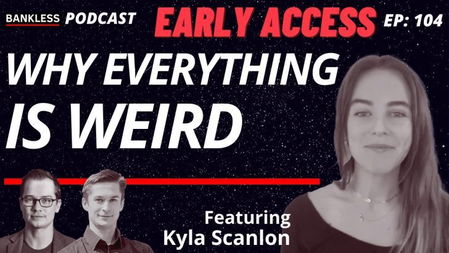
🎙 104 - Why Everything is Weird Right Now | Kyla Scanlon
Talking About the Stock Market and the Economy, Amongst Other Things
Up next
All episodes 01:36:13
Podcast Premium
01:36:13
Podcast Premium
EARLY ACCESS - Why Everything is Weird Right Now | Kyla Scanlon
 01:40:04
News
01:40:04
News
📺 ROLLUP: Wormhole Hack | Wonderland Follow Up | Justin Bieber Bored Ape | Gamestop X Immutable
 01:10:06
Ethereum
01:10:06
Ethereum
📺 Why $ETH is going to $3T | Ryan Allis
 01:34:10
Ethereum
01:34:10
Ethereum
🎙 103 - Blockchains are Cities | Haseeb Qureshi
 00:22:24
Investing Premium
00:22:24
Investing Premium
DEBRIEF - Blockchains are Cities | Haseeb Qureshi
 Podcast Premium
EXCLUSIVE: Office Hours | January 28th, 2022
 01:34:10
Podcast Premium
01:34:10
Podcast Premium
Blockchains are Cities | Haseeb Qureshi
 01:33:30
News
01:33:30
News
📺 ROLLUP: Wonderland $TIME | Crypto Price Bear Market? | Odell Beckham Jr Bitcoin | Twitter NFTs
Inside the episode
Easily and seamlessly trade across 7 Networks and over 500 protocols—all with Zerion.
Everything is weird right now, and Kyla Scanlon is here to tell us why. Kyla is an independent, Gen Z friendly, new age content creator with a fantastic newsletter and youtube channel. In addition, she is the BanklessHQ TikTok correspondent, dropping weekly recaps of the crypto world.
Stepping outside the crypto bubble, there is craziness in the real world. We explore whether inflation is destroying the economy, social unrest, why younger generations are unhappy, and everything happening IRL right now.
Are we approaching war with Russia? Is globalization reversing? Can supply chains be fixed? Hang out with us as Kyla distills these complicated topics into well researched, thoughtful commentary.
🚀 Get this episode’s debrief to hear Ryan & David’s unfiltered takes on this episode. 🚀
🎙️ NEW PODCAST EPISODE
Listen to podcast episode | Apple | Spotify | YouTube | RSS Feed
Bankless Sponsor Tools:
⚖️ ARBITRUM | SCALING ETHEREUM
https://bankless.cc/Arbitrum
🍵 MATCHA | SMART ORDER ROUTING
https://bankless.cc/Matcha
🚀 SLINGSHOT | LAYER 2 SOCIAL TRADING
https://bankless.cc/Slingshot
🏦 GEMINI | TURN FIAT INTO CRYPTO
https://bankless.cc/Gemini
🦁 BRAVE | THE BROWSER NATIVE WALLET
https://bankless.cc/Brave
🦄 UNISWAP | DECENTRALIZED FUNDING
https://bankless.cc/UniGrants
RESOURCES
- Kyla on Twitter
- Kyla's Website
- Bankless TikTok
- Principles for Dealing with the Changing World Order
- Ukraine Meme
Music by Pick Patek - My Mind Is A Barrel (feat. Raindrop Relly & Charles Hussle)
🏴 JOIN THE NATION 🏴
Subscribe: Newsletter | iTunes | Spotify | YouTube | RSS Feed
Follow: Twitter | Instagram | Reddit | TikTok | Facebook
Not financial or tax advice. This newsletter is strictly educational and is not investment advice or a solicitation to buy or sell any assets or to make any financial decisions. This newsletter is not tax advice. Talk to your accountant. Do your own research.
Disclosure. From time-to-time I may add links in this newsletter to products I use. I may receive commission if you make a purchase through one of these links. Additionally, the Bankless writers hold crypto assets. See our investment disclosures here.
Transcript
hey everyone my name is kyla welcome to my channel where i talk about the stock market and the economy amongst other things welcome to bank lists where we explore the frontier of internet money and internet finance this is how to get started how to get better and how to front run the opportunity this is ryan sean adams i'm here with david hoffman and we're here to help you become more bankless guys hot episode today everything is weird right now and we don't know why that's the theme of
today's episode we're gonna get outside our crypto bubble and talk about all the weirdness going on in the real world stuff like is inflation going to destroy our economy why younger generations particularly labor are so unhappy war with russia is that about to happen can supply chains be fixed is globalization reversing and how younger generations navigate and eventually clean up this mess david we've got the perfect guest to talk about this uh kyla
scanlon is here with us talk about this episode a little bit what can folks expect yeah there's been just uh first off i've been following kyle's youtube channel and it's just been a great way to uh she's extremely well researched extremely well knowledgeable and you can definitely tell that she has a passion for this uh and so while i'm in crypto twitter sphere reading crypto stuff watching crypto youtube uh sometimes i forget about the rest of the world but kylo's youtube channel is how i stay synced with the rest of the world and there's so much going on there's so much
going on outside of crypto it's actually weird to say that uh you listed some of the some of the subjects and i think it's just worth it because crypto is growing up it is maturing it is finding itself embedded in more and more parts of the real world and the real world is starting to impact crypto more and more and more and so all these topics that you just listed out are things that are peripheral to crypto that impact us regardless if we are in like high in the sky crypto utopia like turns out no we we are the the potential war with uh
russia and ukraine that actually does impact crypto markets like turns out we are at that point in history uh and so uh with uh kyla's in in crazy awesome ability to just distill well like very complicated uh topics into well-researched uh just commentary we're going to just burn through all the topics that are relevant right now that are really going to be i think really big topics also moving forward for the rest of the decade yeah absolutely everything is so interconnected and now crypto is is
playing a role but uh we've got to get back to the physical in this episode out of the metaverse poke our head out of the metaverse and just check on things so we're going to do a drive-by of all of those items kind of a what you need to know in 2022 including i think kyla's got some fantastic advice for the would-be investor that would be journeyer who skews on the on the younger side and is trying to stay educated and up to speed on all of these things so we're going to get to that of course as always make sure you like and subscribe to this episode wherever you're listening to it leave us a review
on apple itunes as well helps get us to the top of the charts we're going to get to the conversation in just a moment but before we do we want to tell you about these fantastic tools for going bankless from our sponsors slingshot is a decentralized trading platform that combines the performance and ease of a centralized exchange with the openness and transparency of defy slingshot aggregates liquidity from all of d5 in order to find the best price on thousands of crypto assets every token on slingshot comes with a price chart and trade logs to give you insights into the market's activity in real time
slingshot is available on polygon arbor trump and optimism saving you from the high gas feeds and low transaction speeds of the ethereum l1 there are no fees to trade on slingshot and any positive slippage is given to the users trading on slingshot is a social experience you can even set your chat avatar to your favorite nft or soon a slingshot 2099 nft avatar once you bridge your assets to polygon arbitrary or optimism go to app.slingshot.finance to trade and use the chat box to share your trades with others and find other tokens to ape into arbitrarily is an ethereum scaling
solution that's going to completely change how we use d5 and nfts over 250 projects have already deployed on arbitram and arbitrom's defy and nft ecosystems are growing rapidly arbitrary increases ethereum speed by orders of magnitude for a fraction of the cost of the average gas fee when interacting with arbitrary you can get the performance of a centralized exchange while tapping into ethereum's level of decentralization and security if you're a developer who wants low gas fees and instant transactions for your users visit developer.offchainlabs.com to get started building your application on
arbitrary if you're a user keep an eye out for your favorite defy apps or nfc projects building on arbitrary many of your favorite apps are already live with many more coming over soon you can find these apps at portal.arbitrum.one and you can bridge your assets over to arbitram using bridge.arbitrum.io in order to experience defy and nfts the way it was always meant to be fast cheap and friction free the gemini exchange has been my exchange of choice ever since i got into crypto i use gemiini to both buy the dips and also manage my regular automatic monthly purchases of my preferred crypto asset
on gemini you'll find over 50 different cryptos including many of the top defy and metaverse tokens like wi-fi and axionfinity using gemini earn you can earn yield on your various cryptos including eight percent on the gusd stablecoin gemini is available in all 50 states and more than 50 countries worldwide so if you're looking to upgrade your crypto exchange sign up at gemiini with gemiini.com go bank list and get 15 of bitcoin after you trade 100 or more within the first 30 days that's gemini.com slash go bankless
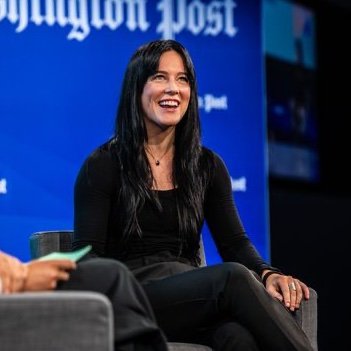
bankless nation we are super excited to introduce you to our next guest this is kyla scanlon she knows a lot about a lot of things she's an independent content creator with brilliant and often very entertaining ideas on macro monetary policy energy markets you might also know her from the official bankless tick tock she's our official tick tock correspondent uh she writes a sub stack has youtube videos just insane amount of information we're going to talk about how weird the
2020s have been so far and how this year is shaping up to be a very strange odd weird year kyla welcome to bankless it's great to have you yeah thanks so much for having me happy to be here well let's get into that uh that weird vibe and maybe in order to do that we need to get into kind of a kyla vibe uh way of thinking so you get this fantastic intro on all of the content that you produce on all of your youtube videos could you give us that intro yeah hey everyone my name is kyla welcome to my channel where i talk about the stock market and the economy amongst
other things that's what we're gonna do we're gonna talk about the stock market and the economy amongst other things hopefully hitting some topics that uh are top of mind right now in the weirdness category so inflation labor markets supply chain oh my god are we gonna get in a war with russia is that about to happen european energy crisis that might be some of the fallout we've got political instability in the u.s the fed keeps printing money what does all of this mean for crypto
how do things shape up we're going to talk about all of these things in the next hour or so but let's set the context here kyla so it feels like things are weird right now how weird are they like scale of 1 to 10 from a weirdness perspective can they get any weirder and how uh like how are we looking historically well yeah i mean i guess weirdness is relative right so i would say that there's been a lot of times in history that things have been weird but right now there's just a lot of different weird things going on across a
lot of different channels so like the geopolitical tensions inflation um sort of some of the innovative stuff that's happening in crypto like all these different things or all these different forces are putting a lot of pressure on everything creating a lot of weirdness so i would say it's like maybe a seven out of ten a seven so we could if things could get weirder yeah they could definitely get a lot weirder yeah oh my god and i think part of the question is like will they get weirder maybe we'll uh we'll talk about that towards the end um
let's let's start with the the topic that's on everyone's mind recently so seven percent inflation in december in the us i'm not sure what it was in in january if we have those numbers yet but uh seven percent is a lot i've never seen that uh in in my lifetime can we talk about inflation for a minute is inflation going to destroy the us economy uh no i don't think so so it'll depend on how sticky the inflation is so if it is actually transitory the federal reserve
has started to respond to the inflation they sort of realize that it's gotten a little bit high so they're going to put the brakes on the economy slow things down but i think inflation is just really a function of coming out of the other side of the pandemic so you have supply chains that are just fundamentally broken then you have labor wage problems like so a little bit of wage inflation going on um and then you just have also a monetary stimulus fiscal stimulus and that provided a little bit of floor to the consumer and then all of a sudden the stock market et cetera all those became speculative goods and so there's just a lot of
upwards movement in prices everywhere creating a lot of pressure yeah and inflationary pressure as well one of the the weird things about inflation i think is that we can't really come to consensus about where it's coming from like obviously the the stemi checks are a big source of inflation but also we have all this pent up demand because everyone was stuck at home for so long and then in the combination of like well kobod actually isn't over yet and we still have a lot of missing labor out of the economy mixed with all this like pent up demand
and a lot of people who are very price insensitive as in a lot of their assets swit up up during covid uh and so they don't really care about what the prices are about things so they buy them anyways and that creates a lot of just inflation the do is there any so do you have any opinions about what is the biggest or the bigger sources of inflation and why this conversation is so big right now yeah i mean i i personally think it's the supply chains i think those are just really hard to fix and it ties into everything sort of that you just mentioned so if consumers are demanding a lot of goods and supply chains can't
supply those goods you're going to have prices increase like producers are like whatever you know they're going to price pass those prices right off to the consumer um and then with the labor wage issues so like if you don't have enough people either driving trucks working at ports et cetera like making the supply chains function working at factories like that's not good either so i think that's that's part of the problem is is supply chains are a big issue and then also i think pent-up consumer demand is a big issue we sort of seen that begin to to wean back a little bit so consumers are just a
little bit nervous we saw a huge print in gdp growth this last quarter but we're probably going to see a little bit of compression um this upcoming quarter just because omnicron but i think that the economy is trying to figure out if it's actually good or not and supply chains are putting putting pressure on that and you know ultimately inflation also so use the term transitory inflation earlier kyla is that your belief do you think inflation is transitory i guess if it's supply chain caused that might mean that it is transitory but this is a great debate that's going on right now
is it transitory or is this uh much more pernicious yeah i mean that's that's the question right so the fed sort of backed out of saying transitory so jerome powell the federal reserve they were like inflation's going to be transitory it's going to go away it's really the supply chains like the everything is going to be fine eventually and everything's good uh but it turns out that inflation was not as transitory as they thought there was even more price pressure than they thought there would be so i think um it'll just depend on how supply chains recover it'll really depend on the labor market and it will depend on this
element of globalization like have we sort of made this just in time inventory amazonia and expectations stuff a little bit too fragile like have we kind of backed ourselves into a situation where inflation is inevitable just because of the functioning that we have i want to unpack that line because i we're probably going to re circuit uh recircle to it later too uh just in time supply chain can you define that for the listeners yeah so basically everything comes just in time as the name suggests so like if you're building a truck like wheels
would come and everything has to come at the exact time so like you don't have any any like movement so you don't have any way that things can come slower or faster you would have to have it just at that exact moment if it comes later then the whole entire supply chain gets messed up so if you're building a car and a wheels come a couple days later all of a sudden your whole production time is you know five six weeks longer just because those wheels didn't come on the exact day that they were meant to so everything is very very dependent on this exact time that it needs to show up
or else the whole dominoes begin to begin to tip yeah and and this has been the paradigm that our supply chains have operated under pre-kovid and i think the the tl dr is that it was a very well oiled very efficient very sleek machine um but it was also really fragile and you throw one one small little pandemic in it and then all of a sudden all the all the supply chains kind of break down so it is there's like a link here between this just-in-time supply chain paradigm and inflation
right because the this is the way that our supply chains have been set up it was almost like a catalyst for uh the expression of pent-up demand to uh translate into increased prices would you say that's all true yeah i mean i think that globalization is great right because you can have comparative advantage and the other countries that are maybe better at producing some things can produce those things it ends up being a little bit cheaper for everybody at the end but it also you know creates a lot of friction or it can and creates a lot of bad things that can happen as we saw
with the pandemic so i think we'll have more to talk about on the supply chain side but let's stay on the topic of inflation for for a little bit more so uh 40-year high seven percent right now um how confident are you that the fed's response which is you know maybe stopping quantitative easing and maybe getting into a quantitative tightening type of phase where they're discharging their their balance sheet and also raising interest rates how confident are you that
they're pursuing the right strategy and this will like curtail inflation yeah i mean that's that's a really interesting question just because this is something that comes up a lot it's like well does raising rates actually fix supply chains if that is issue of inflation like you can't raise rates and be like all right everybody like supply chains are fixed like trucks are running again people are happy that's just not how it works um so i think that's the big issue and really the main goal with sort of this contractionary monetary policy would be so it makes money less liquid
so you're not as incentivized to like speculate and so money that would go towards more speculative assets would go more towards people going back to work maybe because they don't have the freedom to kind of sit at home or whatever uh so that's really the big goal with contractionary monetary policy is to funnel resources in a different way and to make it so there's less slack in the economy as well um so i think the big question will be like how quickly does the fed do this obviously the stock market crypto was was not super happy when the fed announced that there was
going to be potentially like raising rates and and now the question is will they raise rates by 50 basis points in march and that would be quite fast like that would be an element of shock to the economy i think um and then when do they start rolling assets off the balance sheet or when did they start actually like selling assets off the balance sheet um because the taper will end in march so there's just a lot that will come to a pin if there is a monetary policy and we'll see how effective it is and if it actually sort of fixes the problems that we're seeing yeah so kyla how do you think this all plays out i
mean like there are a lot of different possibilities i suppose um one is that the fed doesn't take the intervention or in other words that they do take the intervention um inflation goes down inflation like could go could go up um the fed could do something that um you know and just take credit for inflation going down uh there could be political implications resulting from from all of this so how do you think 2022 plays out for us
oh yeah i mean inflation is already a political hot potato we have midterms coming up um and that has been a topic of discussion pull the fed raise and have all these senators potentially bad that the you know the stock market's going down or the economy is not doing well because the fed's raising interest rates but also the fed has to do something because all these politicians are getting mad that inflation is hurting their constituents so i think that the fed is it's really a tough job and i know that's like maybe not the best thing to say because it is their job but sort of predicting how the
market is going to respond how people are going to respond it's very much game theory and it's really difficult because they have their toolkit but one of the issues with their toolkit is that rates are already like basically near zero and they've been near zero for a really long time the last time that the fed did a tightening cycle was back in 2016 to 2018 and they eventually had to end that tight think cycle in 2018 or in 2019 because of something that happened with the repo market and because the market was like we just don't want this from you right now fed and so i think the fed can do everything that they want but if
the market begins to get spooked sort of how we saw back in september of 2019 like all that could go away so the fed has to pay attention to inflation but it's kind of like the elephant in the room that they have to pay attention to how the market and the bond market specifically responds as well yeah one thing i think the fed is juggling is there's also just a changing um taste for labor in the world and like the fed has one responsibility which is to keep prices stable that is not happening in this present moment this is
what inflation is but also like there's just a lot of um just changing desire to have speci to do specific types of labor to do specific types of jobs uh how does the consumer interest in labor how has that impacted the feds like calculus or is it at all yeah i mean so labor markets are broadly recovered so we've seen unemployment go down quite a bit we've seen labor force participation rate go up a little bit people are mostly moving in between jobs so we have seen a little bit of
contraction in the number of educators we've obviously seen shorter shortages of truckers um other very important parts of the supply chain jobs uh sort of going away or moving to a different sub-segment of the economy because it's kind of like well why would you do a job that is relatively under-appreciated so i think that the fed has to take that into consideration where you're right like the labor market is sort of taking on a different composition and so the metrics might be good like unemployment might be low but that doesn't mean that the labor market
itself is strong in terms of how it's composed so i think that that's something that they pay attention to but once again they're sort of handcuffed with their toolkit like they can't you know raise rates every you know raise rates everybody go drive a truck like that's just not how it works uh so i think that they're once again it's a limit that they have and this can't this can't be the fed's like problem to solve right like exactly what you said like the fed can't incur like incentives for people to go become
truckers and fix the supply chains so how do we solve that problem do you have an opinion on that yeah i mean so part of the problem with supply chains right now is policy so at long beach port you can only stack i think this uh maybe this change but it was you could only stack like two containers and then all the other containers had to stay out on the ships so there's a lot of broken policy around the supply chains and there's a lot of weird policy around labor markets like whether that be you know who can work how they can work when they can work like that sort of stuff so i think a lot
of it just just boils down into broken policy and that's not really the fed's job to manage obvious politicians and that's like a whole different kind of forms but i i think just improved policy and making things more efficient and less archaic is super important yeah so even even though some of the metrics are showing like recovery in labor markets it also feels like and this might be um this might be more sentiment driven but like as i'm reading the sentiment it feels like labor is just very unhappy right now like people are pissed off i
don't know if you track you know uh subreddits the subreddit community like uh r slash anti-work but this has like 1.6 million individuals and i g you know there's a lot of i think pro labor populist sentiment around we're not getting paid enough like we work too hard we're in these shitty dead-end jobs and have no prospects of promoting like promotion or upward mobility um this is like i think a little foreign to you those who are in crypto because uh
you know sometimes people in crypto like david myself um i think uh we can we can seem like we're you know too bullish too excited about crypto and that's because we look at crypto and we see limitless opportunities but i think people outside of crypto have to look at the rest of the market and be like well things are pretty stagnant so how does that factor in this this increasing discontent in labor markets like wages wages aren't rising uh capital assets are but wages aren't and everyone's upset with the jobs that they have
yeah no it's it's really unfortunate and i i think about this quite a bit because it goes back into that labor force composition where people are sort of forced into these nine to five jobs like there's just this massive discontent as you're saying or around around jobs in the jobs that you're working and feeling like it shouldn't have to be this way and why is it this way and i think this is actually interesting because this is where like anti-work and sort of like that freedom of you know fire movement etc they sort of have an overlap with crypto that i don't think
gets talked about enough like there's this desire for freedom and freedom is ultimately like a function of choice and a function of money which is sort of like crypto is about like you get to choose you you get to like choose how your money is controlled or you get to control it yourself um so i think that there's a lot of overlap there but i just think that a lot of people feel upset with the like the capital s system for just being so inefficient and for not taking care of them like we did see a little bit of uptick in wage growth
but not nearly enough to combat inflation like people you know you're getting your savings eaten coming out of the other side of a pandemic it just feels like you're not taken care of and i think there's a lot of frustration around that and because of social media like you were saying with reddit people are able to actually aggregate and talk about this stuff and really um try and figure it out but i don't know if there's a good answer you know well so labor feels increasingly left behind they can't afford like rent and groceries in the prospect of inflation their wages aren't increasing like who got a seven percent uh raise
over the last year and you know that's what the the real cost of everything you know has increased and i guess my question is kyle how do you think this gets resolved is this sort of a is there some political uh answer to this is the market going to create an answer for this like hey now we have to compete for our you know employees and for labor and so wages go up and or are unions an answer to this uh how does this all get resolved yeah i mean you have seen increases in
wages so a lot of companies are offering a lot more they're offering signing bonuses they're offering like you know 20 25 an hour for jobs that were probably previously minimum wage you know 12 15 an hour so you do see companies becoming a little bit more competitive but like with regards to how it gets solved i just think there has to be a different value prop for labor like we probably need to figure out health care we probably need to figure out retirement stuff like we just need to
sort of treat people a little bit better and not treat them like robots and maybe automation i i think automation is honestly an answer to some of this where we can have more efficiencies if we just automate things um and maybe like rely less on humans but that's a whole different host of requirements but yeah i think the biggest thing is we just have to sort of take care of people better you know but that's expensive so yeah yeah crazy crazy thought wow that costs too much money taking care of
people that's not too much money yeah so there's a something i'm concerned about is like we saw the supply chain really break down the cost of like used cars for example used cars are through the roof that's actually now recently bled into new cars new cars are going above their sticker price also housing prices are like on like going up 15 to 20 on a yearly basis over the last year or so and like just a lot of just really important stuff is being priced out of labor uh meanwhile exactly what ryan was
saying there's like this growing discontent with labor in of itself like people just have this error this attitude of disenfranchisement which is like not really all of the same pieces that you want to put all into the same spot at the same time like that's kind of like the ground the foundations of like a revolution are you concerned about this trajectory over like the long term over the rest of the decade um in terms of revolution or in terms of just like yeah social unrest i think
we've seen we've had this social unrest conversation all throughout basically since 2008 and it just seems to continue um and it kind of seems to start to impact politics and impact just how we organize around our issues um do you how do you see social unrest playing into the rest of the decade yeah i mean i think that there's just a lot of frustration probably isn't even an appropriate word to describe i think how people feel um i see it with a lot of my friends like i feel an element of it
right so like the idea of ever having a house feels very foreign and just feels very far away and a lot of wealth is trapped in older populations and it's like will that ever trickle down or will it go away so i think with regards to this idea of a revolution it does feel like things are sort of at a tipping point we've had little peace for a really long time to a certain extent like we we haven't had a you know the government dissolve or anything like that and that's a big statement but the the government's been
in place since 1776 and you know we're still this we're still following the constitution which was written back then and i think that there is just a lot of room for rethinking policy and rethinking how we we shape law and rethinking how even like everything right that we do right now so like going back to this nine to five 40 hours a week that's a byproduct of the industrial revolution right even kids like how they go to school and getting you know in between
classes with the bell that's the industrial revolution so we still have very archaic systems but our technology is so advanced so i think there's a lot of cognitive dissonance where it's like well i can do everything on my computer and access like amazing things from my computer but i still have to do like i still have to count inventory and do all this stuff so i think that there's just a lot of room for policy to catch up to technology i don't know if that'll take place in the form of revolution maybe but yeah that's what i would say
i guess it's important to note that like revolutions don't have to be violent um sometimes there there can be non-violent uh revolutions sometimes there can be a technology revolutions that that change the shape of things um sometimes there can be sort of slow uh revolutions that said uh i'm reading um do you ever read any ray dalio kyla yeah sometimes yeah yeah so like he's like okay so he uh is scary sometimes like when i read dalio i'm reading his
newest new world order uh a book principles for a new world order book and he's basically like you know this is not dahlia's language but the dldr is hey we've had a good run and every 50 to 100 years there's some sort of you know in any empire of which america is an empire using his verbiage uh there's a civil war or there's a um you know nation state war just a large external uh facing war and just because that hasn't happened in our lifetime
doesn't mean anything because it happens every 50 to 100 years and uh he he likens this decade that we're in to the to the 1930s right and he's like rise of populism you know wealth wealth inequality uh weird things going on with with fed monetary policy uh and then he sees like the rise of china and other you know factors at play where it's a rising rising nation state versus an existing legacy empire is what he might say the us is um so in that backdrop it's kind of like
terrifying it's kind of scary like i don't want to live through the late 1930s and 1940s um do you ever think about that or uh you know i don't want to bring the podcast down to that level but it's been on my mind recently uh yeah i mean what's going on in with russia and ukraine has made me a little bit nervous i don't know if that's going to be if war is not going to be fought like it was back in the 1930s 1940s like it's just not um but i do think there's a lot
of just geopolitical tension and i don't know if that you know what dahlia is sort of highlighting is essentially cycles so that will sort of cycle in a war will cycle and unrest will cycle into peace that's kind of how humans have existed pretty much forever but i don't know if it works in you know 50 to 100 years if that's incrementally how it is but i i do think there's to highlight that i do think there's pressure out there that is concerning yeah well you brought up exactly where we want to go next which is unpacking this
whole russia ukraine thing uh we got out of afghanistan just a few months ago so it's about time that we get into another war uh that's kind of what we do uh are we about to go to war with russia like what's going on over there can you give us the the tl dr and then we'll unpack it a little bit more yeah i mean so so essentially russia well putin really putin has it in his head that he's saint vladimir 2.0 he

David Hoffman
Co-owner at Bankless. Optimistic storyteller of frontier technology.
.png-a616dc52961c1edd72b0c1fdf5f47e7a.png)