Why We Should Fight for Freedom of Speech | Greg Lukianoff
Is Our Freedom of Speech Under Threat?
Up next
All episodes 01:16:49
Podcast
01:16:49
Podcast
ROLLUP: ETH Beats SEC! | Trump Coin? | LayerZero Token | ETH ETF Trading Soon
 00:31:35
Podcast Premium
00:31:35
Podcast Premium
PREMIUM: EthCC 2024 with Co-Founder Jerome de Tychey
 01:47:54
Podcast
01:47:54
Podcast
Diaries of an ETH Maxi on Wall Street | Sam Jernigan
 00:51:29
Podcast
00:51:29
Podcast
ETH to $22k by 2030? | VanEck's Matthew Sigel
 00:14:42
Podcast Premium
00:14:42
Podcast Premium
DEBRIEF - The Richard Teng Interview
 01:14:19
Podcast
01:14:19
Podcast
CZ, Bull Market Predictions & The Future of Binance | New CEO Richard Teng
 01:16:22
Podcast
01:16:22
Podcast
ROLLUP: ZkSync Airdrop | Optimism Fault Proofs | Pectra Ethereum Upgrade
 00:27:24
Podcast
00:27:24
Podcast
DEBRIEF: The Robin Linus Interview
Inside the episode
🎬 DEBRIEF | Ryan & David Unpacking the Episode
Why should we fight for Freedom of Speech?
That’s the question that Free Speech Lawyer and Writer Greg Lukianoff helps us answer today.
Using first principles, Greg goes deep into the importance of Freedom of Speech, “Free Speech Culture”, what happens to Free Speech when new technologies like the printing press and the internet are introduced, and how all this intersects with blockchains and crypto.
TIMESTAMPS
0:00 Intro
6:19 Defining Free Speech
15:59 Free Speech Origins
19:43 The Printing Press
37:11 The Constitution
39:50 Free Speech Culture
47:48 What Protects Free Speech
55:57 Generational Differences
1:09:17 Censorship Societies
1:16:29 The Internet
1:21:04 AI & Free Speech
1:23:04 Web2 Censorship
1:27:17 Freedom to Transact
1:36:38 Privacy
1:38:30 How to Get Involved
1:40:49 Closing & Disclaimer
RESOURCES
- Greg Lukianoff
- The Eternally Radical Idea Newsletter
- FIRE
- Support FIRE Today!
- The Canceling of the American Mind
- Free Speech: A History from Socrates to Social Media
- Revolution in the Age of Social Media
- Free Speech, The People's Darling Privilege
Transcript
in times of crisis in times when things are really important rules like freedom of speech the rules of the road of a free Society matter more they don't matter less and believe me like all of these troubles that I'm I'm concerned and I hope I'm wrong I think we're going to be seeing over the next couple years there are going to be situations where the individuals you know citizens right of freedom of speech is going to become much more important not less welcome to Bas where we explore the frontier of Internet money and internet
finance and today we're exploring the frontier of freedom of speech from law to society to technology some topics on the show today the idea of freedom of speech what is it and why is it important and what is what our guest Greg lukanov calls free speech culture and why it's critical for a free and open Society what happens when new technologies like the printing press or the internet are introduced how do they impact Free Speech how Greg rates the healthiness of today's society in terms
of our freedom of speech and what does all of this have to do with blockchains and crypto that last question I think uh requires some more Reflections because you might be asking why is a crypto podcast doing an episode on freedom speech and I think the answer to that question is is pretty simple because freedom of speech isn't just an adjacent concept for crypto it's the core concept of crypto in crypto we call it censorship resistance and we secure it through cryptography economics ICS and the social layer it's what we talk about all the time on Bank lists in the meat
space world we secure censorship resistant speech through the first amendment common law and the social layer and uh both David and I had a lot of questions about how that's secured how freedom of speech Works going to this episode that were answered and I think there's a lot of interesting parallels between both crypto and the fight for freedom of speech and there's lots of common areas of cooperation between both the world of crypto and the world of free speech Advocates like Greg and fire all of us at the end of the day are fighting for Liberal values of freedom and that indeed is a common
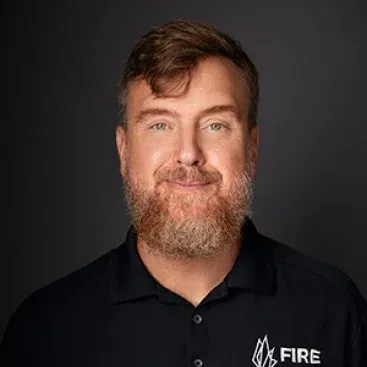
cause so let's get right to our conversation with Greg but before we do we want to thank the sponsors that made this episode possible B station I'm excited and honored to introduce you to Greg lukanov the president and CEO of the foundation for individual rights and expression the acronym fire fire is a nonprofit with a mission to defend and sustain the indiv individual rights of all Americans to free speech and free thought specifically with a focus on college campuses and universities it's a free speech episode Greg welcome to
bankless thanks for having me we like in the bankless world uh our first principles uh and so we definitely want to talk to you about the ways that free speech and the first amendment has become relevant in the different facets of modern day but we want to go all the way back uh what is free speech and why is it important why is it the first amendment of all the Amendments freedom of speech is you know is exactly what it sounds like it's the ability to to uh think what you will and and say what you think and when people sort of talk about
like the broader kind of concept of freedom of speech I always make the biggest Boolean Circle to be freedom of speech itself um so thinkers like Jonathan Rous who's become a good friend talks about ideas like liberal science which is essentially a way of figuring out what is and isn't true through disputation um through a NeverEnding process of evaluating um arguments um and his first rule is no argument is ever truly over and two you don't get to call special um priority basically you
can't say you know I as the head priest Zeus I'm the person who has unique um touch with reality as it exists so therefore I can decide what is actually true um but I always make the point that freedom of speech is actually even bigger than that um that that's just truth seeking and Truth seeking is incredibly important um you can never fully get there because it's mostly a process of chipping away at fality cuz like sometimes when you've have people claim oh truth doesn't exist it's kind of like yeah but I bet you believe falsity exists I bet you think I bet you
believe that some things aren't true and that's actually the way that in a uh in liberal science you actually get closer and never quite to you know truth itself but outside of Truth seeking I mean it's just a simple part of it's one of the reasons why we think of it as essential human right it's about things as mundane as what you like what you care about what your personality is like who you are authentically all of these things all these things actually make us fully human are also part of freedom of speech so I have a very expansive view of what freedom of speech is and there are
subcategories within it like academic freedom like journalism all this kind of stuff but I think the big Boolean sphere is freedom of speech generally speaking would you say that you have um the most expansive definition of the freedom of speech are you uh one like as far as the the the extension of freedom of speech goes are you all the way out there or are there different like stops on the train uh where you wouldn't go so far I would actually say that that I I can um um I might be even frustratingly reasonable okay in a lot of ways um and
then but there is one thing that you can tell if you're a First Amendment lawyer that someone doesn't necessarily know what they're talking about is if they claim to be a free speech absolutist and it's like one of those things it's like no that doesn't quite exist because practically nobody thinks like death threats for example should be protected like some if you say something to someone that basically the goal of it is to make them sure that you're going to kill them that's not protected speech anywhere in the world nor nor do I believe it should be I actually think failure to prosecute true threats has actually undermined people's uh faith in
freedom of speech because they incorrectly think that that's protected speech um and it seems so clear to people that it shouldn't be I do however consider myself a Viewpoint absolutist and here's what I mean by that when it comes to freedom of speech um in the First Amendment we have this categorical approach which I think is you know as someone who who loves constitutional law but also psychology it's smart to have things kind of set aside as actually distinct um categories of of speech that we uh consider either unprotected or
less protected because otherwise you're left with kind of more the European system of always balancing and of course when power starts doing balancing guess what power tends to find that founds finds in favor of whatever power actually wants so a categorical approach from sort of like a choice architecture standpoint is smart so things like true threats are not protected incitement to imminent Lawless action is not protected it's a hard standard though it's not it's not easily met um uh uh harassment is not
protected uh on campus um racial sexual harassment um is not protected for example um obscenity uh which is not defined as obscenities but like hardcore pornography essentially is a not protected uh Speech the only one category that actually disagree with and has kind of fallen out of favor in First Amendment land is something called the Fighting words Doctrine which is a it's a very weird case to watch people particularly people on the left kind of take the idea of like oh we should
revive the fighting words Doctrine so we can ban hate speech on campus and you always want to remind them this is a case from the 1940s you want to make it illegal to call a cop a fascist because that's actually like the scenario in in this case called chaplinsky from 1943 I think um saying that you have a that that's unprotected speech because and it's very it's a very Macho concept too that like a like a reasonable man would would find those to be fighting words and there's a reason why we haven't upheld a fighting wordss conviction even
for things way more offensive than calling a cop a fascist um in the Supreme Court since 1943 uh so that that's one of the categories I don't agree with but I do actually think that that the First Amendment largely gets it right it gets it right in spirit right and so I think the line that you're delineating is that there is speech and then there's freedom of speech and I think you're calling out some categories where just like the words that you are saying um are more expansive than just what the spirit of freedom of speech is trying to protect yeah uh maybe to help
like draw that line out a little bit more uh just like threats of violence yeah the idea of that like speaking those words doesn't stop at speech right if you are threatening to have violence against someone that's more than just speech there is further actions that might take place as a result of your words and maybe that's the line that's being drawn it's it's it's harder to to draw it for for all the different categories because you have things like um like for for example I have no issue with the fact that child pornography is not uh not protected and part of the rationale there is actually very smart
which is essentially there's no way to create child porn without exploiting a child which is itself a crime um but it's the only one where the mark where it's the ra the First Amendment rationale is to dry up the market for something um um because if you applied that to other less offensive kinds of speech um you know it it would be pretty troubling to say we're trying to dry up but but when it's something as OD as as child porn such a serious harm you know I'm comfortable with that but basically I mentioned that partially to make the point that sometimes it's not as neat and tidy but I do generally think a good
way to understand um protected speech and unprotected speech is that unprotected speech is often not always but often more action like that so so for example 's a Doctrine First Amendment law about um words that are just an incidental part of the commission of a crime um and that means you know you're and that's also this one's kind of a true threat um saying telling someone your money are your life the fact that you use words to do that who cares like that's obviously a crime um so there are contexts in which kind
of like we use words to engage in action um which I think the First Amendment correctly um recognizes but you're on the safest ground you're talking about in my opinion this thing you know um and and that's absolutely as it should be because and here's here's my big sort of meta kind of Vision on on this stuff and it's weird having specialized in First Amendment law and like this being like my lifelong passion and and also the philosophy of freedom of speech to notice that in First Amendment law you know there's ideas like the marketplace
of ideas which are all about truth seeking and that it doesn't really emphasize the simple value of knowing what people actually think and and I really always try to get some people to pause for a second on this if the project of human knowledge is to know the world as it is you cannot know the world as it is without knowing what people really think and if you create an environment in which people aren't being their authentic selves you actually create a more dangerous environment in many ways because you don't know what people really think and here's the thing
it's even more important to know if what someone thinks is hateful or odious or dangerous Etc the idea that we're safer for not knowing that you know some portion of the population actually thinks there's a horrible conspiracy the against himself it's just kidding yourself okay so this is where you draw the line at you are a an opinion absolutist thinking that there's no no such thing as an unsafe opinion now there might be unsafe words but generally those things lead to actions but as far as like opinions go if we're
just containerizing things to opinions total total uh freedom in all given like opinions and then I I think there I think there can be an unsafe opinion I I think that some you know versions of anti-Semitism or versions of racism for example are you know as I think um Oliver wend Holmes put it their ideas fraught with death um but what I'm saying is it's really important to know that um and there's there's well there's very predictable psychological phenomena that because of course censorship doesn't change someone's opinion it just
says okay well I'm not going to talk about this to you guys anymore who disagree with me I'm just going to talk to the people over there who agree with me right and as far from a societal perspective yeah and so one of the things that actually happens a very predictable phenomena is group polarization because when you're encouraging people to just talk to people they already agree with the social science is very clear on this you get more radicalize in the direction of the group Greg I I want to just pull it back for a second and and um look at freedom of speech in the context of the Arc of of civilization because it
strikes me that um Humanity did not always care about freedom of speech that this is uh somewhat of a more recent invention and I'm sure you've charted the history of this and and know the history like very well with speech but like when did we start caring about freedom of speech when did that come about and how did we get to a place where we've actually enshrined this in the the operating uh system the code of a major Nation like the United States so um here's my my grand theory of of of
History um and I actually have to cite to some degree the work of David GR a thinker who I actually quite disagree with on any number of things but one of the things he does point out is that we have from the knowledge of that we have of tribal societies and from smaller scale societies that you know that we have record of uh that there were almost certainly ways of of governing that are completely lost to history um that essentially you know from the Agricultural Revolution to the beginning of of recorded history you're talking about maybe about 6,000 years and during
that time the various uh if some of these structures looked anything like some of the things we saw in South America North America in Papa New Guinea like they they they would have some amount of you know you have certain rights to say what you really think to the to the chief that people have like special obligations and special um special privileges essentially to to share their opinion so I think that there were social structures um that were tended to be more small scale well
before Athenian democracy that actually did have an idea of freedom of speech um something like it some something where basically like it's important for the whole group to know what you actually think so people are allowed to be even disrespectful to like to our leader sometimes just in a much smaller setting right we're talking about a much smaller setting yeah and the difficulty with these types of things is how do you scale it you know like okay and there and there was no way so so so basically you go from unrecorded history um uh that if they are parallels to other societies and there probably was in many
of them not necessarily all of them um some kind of idea of local small scale freedom of speech freedom of speech was taken very seriously um from the citizens in in in Athens and they actually had two different ideas of isaria um and and paria isaria was rational discourse and peria though was was freedom of the tongue it was like this idea of like I can be this nasty to you under the following circumstances um it shouldn't be that much of a surprise though that once you get outside of relatively small scale um
societies freedom of speech doesn't make much of an appearance on the global scene for a couple reasons one you're talking about after you know the fall of of of of these small Democratic experiments everything was you know pretty much top down you usually some kind of imperial system or or or monarchical system um but also wasn't practical like you couldn't communicate over massive scales so so free speech was something that but I do find it really fascinating and really telling that almost as soon as the printing
press starts making a mark on Northern Europe and Central Europe you start having people arguing for expansive ideas of freedom of speech so as soon as it became practical to talk to a mass audience very quickly thinkers start advocating for wow you you really should be the government shouldn't be restraining before things are published things uh people's ideas that this has tremendous uh benefit potentially to the human race maybe we could talk about that um in the context of we've done
some podcast episodes with um one gentleman by the name of Josh Rosenthal who uh compared the internet very much to kind of like the printing press believe that the date of the in uh invention of the printing press was like the 1400s or something uh 1450s 1450s okay so this was a technology that really brought the concept of freedom of speech to to the Forefront it's like um another version of this technology something that's happening now which is probably a communication technology that is every bit as revolutionary as the
printing press which is like the internet so at at at some level we're we're living in the 1450s yet again and so maybe there's something to learn here but you're saying the history of freedom of speech well we had it in smaller societies it didn't really appear on the on the global stage until after the printing press until mass communication was possible and then how did it make it way its way into uh the US con constitution in the form of the First Amendment and was that the first kind of nation state operating system in which
freedom of speech was embedded in such a direct way oh I love that stuff okay so I feel like one of the big advantages of Europe was essentially that it was a place that nobody no single power was ever quite able to conquer um and that you had all of these societies kind of you know struggling against each other and and I think that that's one of the reasons why you know if you looked at the world from the point of view of 1500 everyone would have been like well you know it's either China India or the Islamic world like this Backwater in Europe is is nothing special but one of
the reasons why it became something so special is that in China you know there was a very much a top- down system you know um at by the time that Europe really started taking off that was very much a top- down system that was kind of impossible and in Europe and it led for a lot more people from moving from place to place and a lot more a lot more experimentation so when you start having uh so my my my friend um and and fire senior fellow yakob mishama or now I think he's in the US he's okay with
people calling him Jacob um he wrote a book called free speech um from Socrates to social media um I got a nice shout out in the um in the acknowledgements for being one of the people who really kind of gave a St talking to about like you really you know you did this incredible podcast series on the history of freedom of speech the global history of freedom of speech like bring it for the book man um and it's great like it talks about um surprising things like Transylvania you know like had a was one
of the first places to codify different ideas of Rights of freedom of speech but that was partially because they were you know the intersection of all these Waring Empires but you definitely had uh Holland Netherlands Dutch people you know with a uh what was probably the most literate Society um in uh human history probably at that point uh probably um and uh the and second in line was probably Britain and
so I'm gonna do a shout out I like doing shout outs for books as you can tell um but fit Sakari is recent book um is actually really quite good and and it was the first one to really convince me when people refer to something as being Anglo Dutch um i' always kind of like it doesn't sound quite right I mean because it Netherlands were kind of a impressive Republic very forward-thinking very literate uh very advanced in a lot of ways but then kind of a flash in the pan and I didn't fully appreciate you know
when William of Orange came over during the uh during the Glorious Revolution in in like what was that 16888 um that that essentially it was taking a lot of that liberalism smaller liberalism from uh uh uh from the Netherlands into um into Britain and it really transformed some of some aspects of the way work was done in Britain from that point on so I've come around to the idea that there was some something special that deserves to be called Anglo Dutch and so you have two of the most
literate Societies in the country two of the um uh in the world and really uh with tons of printing tons of tons of reading and it became hard not to see genuine advantages for having a highly literate society that could actually talk out its problems um because Innovation you know uh resulted um you know political action uh became easier of course that was often times considered one the downsides um but that it was very clear that there are real benefits so well before that um and this
is what I did in in law school I studied censorship during the tutor Dynasty so when I was at Stanford I took every class they offered on freedom of speech when I ran out of those I did two three credit uh generals like um independent studies with two different professors on censorship during uh Henry VII um and censorship during the later tutors most notably of course Elizabeth the and I always try to liken what's going on with social media and with the internet to what was going on back then with um the
printing press because that that was this was early and it was it was around 1520 1521 when um Henry started kind of turning on um uh uh the printing press uh first by you know Banning the Sailor distribution of a uh what was called the Tindale Bible which was a English translation of the Bible that was considered to be filled with heresy this is back when when Henry was C was Catholic so he turned on it then but then you know he couldn't have kids with Katherine of Aragon um he meets this hot little number um that he wants to marry
and you know the rest of his history he becomes a Protestant um and by 1538 uh he uh he and his Cong and his parliament passed um the first uh print license in program um of uh um in British history which basically meant you had to have a um sort of like a special dispensation from the crown in order to uh have a printing press and if and if something was printed with something that didn't have the Seal of the crown on it it was an illegal printer and you know that the
CRI the punishment for that was very very serious and basically what he what Henry was trying to do was he was trying to put the genie back in thex bottle like he was basically looking at a technology that caused tremendous disruption and he wanted to end it and and I I feel like we're seeing a lot of that today end it end it Greg or maybe just like control it right because like so this would be almost the equivalent of if you like in the internet to the printing press yeah the having the US government maintaining a registry of approved websites right you had to be
one of the approved websites or the approved social media accounts or something like this it would be that kind of an equivalent and the goal you would think would be to just control this new you know technology it would be like a readon internet with privileged right access yeah right yeah know that that that's entirely fair I I usually talk about it as kind of like trying to put the disruption you know to try to end the disruption put the genie back in the bottle so to speak um and and I think you know if he was if he'd been allowed to sort of wish whether or not
to have it at all I I wouldn't be surprised if he said no this Infernal Device actually isn't worth it um because when people look at what the disruption that was actually caused and I always point out it was only about a doubling of the number of literate people in northern Europe um in the early days of the printing press which is of course impressive but still you're talking about I think the numbers something 12 million to like 24 million over brief is period of time but not that not that brief and when you bring that many people that many eyes um uh
and and voices and ideas and Minds into a discussion it's going to be disruptive it's unavoidably and I always point out like the printing press in its early days you know it led to religious Strife it led to social Strife it led to an increase in The Witch Trials because the biggest um one of the biggest sellers was the malorum which was like the you know the handbook of how you know like what what a witch is so there are all sorts of arguments against you know like the printing press being good and I
always make this point to people when they want to kind of put social media back in the back in the bottle um and I've got my issues with social media I've written with with Jonathan hey about this absolutely I do think it can be certainly for particularly for some young women it can actually be quite harmful but we have to remember that we just introduced printing press was introducing millions of additional people into discussion we just introduced billions of additional minds and and uh and eyes and and thoughts
into a discussion and it's not just uh fast instantaneous right so there's literally no way at this moment right now to not have a anarchical period we are in epistemic Anarchy you know like our knowledge production is all Higgly Piggly and the and basically like and I see sometimes like people coming up with regulations to kind of fix it and I'm kind of like there's no way to fix it um you can do some things that might make it uh some improvements here and there
and but really the culture has has to adapt to the this massive shift in technology um and the idea that we panic and give government the power to uh to do with it what it will would just be so much worse than the problem I guess the point as well is the government can't stop it even if it tries perhaps it can sort of slow it down ju just pulling on that thread we'll come back to kind of the Constitution how freedom of speech maybe was enshrined in the first it only got us as far as yeah yeah before we get
there though let's let's go take this um this Sidetrack uh for a minute how did it resolve so this period of Anarchy with free speech and printing presses right so like how did that finally fix itself and Lead towards maybe the enlightenment uh the the Renaissance the the things that followed yeah I mean it was ugly frankly like the um so uh people were surprised who who knew a little bit more about the printing or who knew a little bit about the printing press um that I was focusing on the tutors because I didn't even realize the
tutors were you know so important uh to this they they mostly thought of U the the 17th century um the uh and and the steuart Kings you know trying to put the printing press Union back in the bottle and part of the reason why they think of that is because um araga um which is um a track written by John Milton um talking about um not in in the mid 17th century saying we shouldn't be like the government shouldn't be licensing the Press um and it's a great statement it
wasn't people don't realize it wasn't wasn't at all influential at the time but it's a great statement on the value of freedom of speech um Stanley fish who's a a big critic of freedom of speech itself um you know always points out yeah but he didn't include Catholics and it's like okay this is an argument that I find a lot that always irritate me it's like so if what you're saying is that someone in the past wasn't argument for increasing the number of people who enjoy human right doesn't count unless they immediately went to the universal
application it that's a really convenient little doic out there um so it was a big issue in the mid 17th century but when but when I mentioned the Glorious Revolution before um the year after the Glorious Revolution 1689 you start having this is when John Lock returned from the Netherlands you know with with ideas of separation of powers with ideas of of small liberalism um they worked some of these rights into uh I don't want to call it Constitution a list of Rights in in 1689 and after the
Glorious Revolution Britain really started taking off it became a much more sort of uh um wealthy business oriented Society um and it was clear that some of this was the literate Society the fact that they were in constant communication with each other that that that they had um this wonderful Republic of letters you know so it was clearly giving advantage to Britain and everyone everyone could see it um it was very clear this starts happening and this was happening as well in France just in France um um as you start heading
towards the enlightenment you're much more likely to get arrested um for handing out you know racy pamphlets and that kind of stuff than you were in Britain um and I always make this point about Free Speech culture versus Free Speech law um because in my most recent book canceling of the American mind I point out that Free Speech culture in a very real sense is more important than Free Speech law because that's where Free Speech law comes from in the first place you know the the First Amendment didn't come out of nowhere it came out
of people who were excited about the enlightenment um and in France they didn't have free speech law and still the French Enlightenment is remembered to this day sure sometimes people had to flee off to the Netherlands again University of Leiden for example some people you know fled to other parts of Europe both voler and rouso were arrested at different times or did they actually get Vol I forget anyway so a lot of the biggest you know French Enlightenment thinkers were arrested and all of them risked being arrested but
they still because they had this strong Free Speech culture where disputation and argument and all this kind of stuff was welcomed voraciously we still remember the French Enlightenment now of course I'm much more of a Scottish Enlightenment guy um that's that's that's really where the where the badasses were as far as I was concerned you know whether it's David Hume or Adam Smith or then again all like the crazy scientists from one wonder if we might name my name my kid for um that that essentially you know you have this you know tradition blowing up in Britain and
the people in the colonies you know who actually I didn't I also didn't fully appreciate as much as like how much the um uh the Glorious Revolution how much influence that actually had in the colonies you know for example and how much it kind of changed kind of the nature of what the colonies were looked like to being like a weirdly hyper educated you know they were in some ways they were the boonies and but they're also like weirdly scholarly boonies you know and so by the time you actually start getting to the big divorce between Britain and and um and the US my mom's
British so you know and and actually my mom's divorced so maybe that's I chose that word semiconscious um but they they thought of themselves as having the right of Freeborn Englishmen which was a way that John lurn that oh man you're letting me have fun with this so so I'm I'm I'm going into John Lor and everything um the idea of Rights of free born Englishman which included the right to freedom of speech so when it came time to write uh the Constitution

David Hoffman
Co-owner at Bankless. Optimistic storyteller of frontier technology.
.png-cde5b9c0aa4838d09c634abbd1136ff2.png)

.png-a616dc52961c1edd72b0c1fdf5f47e7a.png)
.png-336efc5e35995e6b184e7e830baa688b.png)
.jpg-48bb3b8a9a7a83dee5836f716023f733.jpg)