BLAST - The L2 with Native Yield | Pacman
Pacman's Blast L2
Up next
All episodes Podcast
Is Crypto a Scam? with Crypto Skeptic Patrick McKenzie
 00:35:20
Podcast Premium
00:35:20
Podcast Premium
DEBRIEF: Is Crypto a Scam? with Crypto Skeptic Patrick McKenzie
 01:02:10
Podcast
01:02:10
Podcast
The 7 Most Bullish Crypto Narratives of 2024
 01:10:04
Investing
01:10:04
Investing
Memecoins: Good or Evil with Ledger & Stephen Cesaro
 01:18:09
Podcast
01:18:09
Podcast
ROLLUP: Blobs Arrive | BTC New High | ETH ETF? | Bankless 4th Birthday
 00:21:18
Podcast Premium
00:21:18
Podcast Premium
DEBRIEF: L2 Tokens: Bullish or Bearish?
 01:34:26
Podcast
01:34:26
Podcast
214 - L2 Tokens: Bullish or Bearish? with Sassal, Jordi, & Ippolito
 00:54:53
Ethereum
00:54:53
Ethereum
Dencun 101: Tim Beiko Explains Ethereum’s Upgrade and Beyond
Inside the episode
Pacman is one of the most interesting builders in crypto right now. After creating Blur, a disruptive NFT exchange, the crypto wonder kid is targeting the L2 space with his new yield bearing L2 called Blast.
In this episode, we cover Pacman’s story, how he built Blur, how he pioneered Points and finally, we get into Blast, the already third largest L2 in TVL.
TIMESTAMPS
0:00 Intro
3:58 Pacman’s Story
21:54 Blast’s Perception
26:50 Blur
31:59 Points
42:12 Blast Genesis
48:52 Blast’s Native Yield
1:13:22 Yield Risks
1:17:32 Net Gas Revenue
1:20:17 Projects on Blast
1:24:28 Is Blast a Multisig?
1:27:07 Blast’s Vision
1:28:27 Blast on OP Superchain?
1:31:10 Closing Thoughts
RESOURCES
Pacman
https://twitter.com/PacmanBlur
Blast
https://blast.io
Pacman Blur’s Episode
https://www.youtube.com/watch?v=KBKRrKtGTY8
Transcript
we want to build the L2 that provides the most value to developers and users the the most value of of any L2 that's our goal and we see the path to getting there is you know you have this L2 with Native yield where everyone's just earning that by default but also now you're enabling new types of applications Robin Hood for example right like them charging you know zero fees that's actually providing more value to the market than if they charge no fees so it's like these business model unlocks it's not just like oh it's a new business model it's like no this is actually providing more value to the market this is why these like disruptive business models get adopted in the first
place so the only thing driving us is that we want to build the L2 that provides the most value to end users and developers welcome to bankless where we explore the frontier of Internet money and internet Finance this is Ryan Shan Adams I'm here with David Hoffman and we're here to help you become more bankless Pac-Man is one of the most interesting builders in crypto right now he created blur which is an nft exchange that came out of basically nowhere in 2022 and now has over 70% of the nft
market and it almost seems he's about to do the same thing with layer 2os he's got a project called Blast which has blasted its way to number three in terms of total locked value of all layer twos you do not want to miss this fascinating conversation with this crypto Builder number one we talk about who is Pac-Man this crypto Wonder kid where'd he come from what's he about why is he here number two how he built blur into the world's largest nft Exchange number three points Pac-Man actually created the points meta that we see today what does he think of points now number four
blast the yield bearing layer 2 that's blasted its way to third largest layer 2 how did he do that is it secure is it safe what about all of the criticism surrounding Pac-Man projects there's a lot to pull out from this episode not just about the technical details around blast and what it actually means to be a yield bearing layer too because I think a lot of people actually don't fully understand the technical implications of what that means and that's something we pull apart here on the podcast with Pac-Man today but just zooming all the
way out about like yield as a concept points as part of the meta uh the movement of eth and users onto layer twos uh and really how to be a builder in the space uh depending on who you are in the space whether you are a user you're a builder or you're a VC investor there's something in this episode for you uh depending on how you look at it and what you want to get out of it so we touch a little bit on many different metas that are going around in the cryptosphere in the middle of this bull market uh and I've found that I've I've
learned quite a lot I think I like many other people kind of discounted blast in the early days because of the spinal reflex that I think a lot of people had from his go to market strategy uh which we also talked about with Pacman uh but this was me coming at blast with fresh eyes and really appreciating uh the novel mechanisms uh that blast rewired into an OP stack fork in order to make Native yield bearing a thing inside of the blast ecosystem yeah he's he's got a way of implementing these clever shifts in mechanism design that have really he used the term profound outcomes we'll
see bankless listener if if you see one of those profound outcomes in the conversation today of course David and I will unpack all of this in the debrief which is available to you if you are a bankless citizen on the bankless premium podcast newly available on Spotify might I add so you can get bankless premium in Spotify uh go check that out all right let's get right to the conversation with Pac-Man but before we do we want to thank the sponsors that made this episode possible including bankless Nation happy to introduce you to Pac-Man the co-founder blur creator of blast we had Pac-Man on the show a little over a
year ago to talk about blur and my how things have changed in just a year blast is now the number three layer two on ethereum by tvl despite just being a few days maybe a week old already has a countless projects trumping at the bit to deploy on blast and build inside of the brand new blast ecosystem Pacman welcome back to bankless Jim Jim thanks for having me so Pacman are two for two on projects that have completely redefined metas inside of the crypto industry uh blur really just changed the
game in terms of nft trading and and the whole nft Marketplace ecosystem uh Blast has now done the same again because there is now a new focus on natively yield bearing layer 2os uh which was a a a narrative a theme a construction completely novely introduced by by blast two for two on projects that redefine the industry is a pretty unique place to be so just a little bit of just like who is Pac-Man how does he not miss uh where did you come from uh who are you yeah really appreciate the kind words so just
for like a brief overview I I got my start in silon Valley around 9 years ago I started off as a software engineer uh working at a company called Teespring um I actually had a bit of a atypical Journey so I I went to Teespring when I was in high school and I ended up dropping out to work there for a year uh out of high school after my sophomore year and after High School we're not talking College you dropped out of high school okay yeah I dropped out of high school so I was uh 16 16 at the time yeah fuzzy now it's crazy how the time flies but uh 16 out
the time and then I went over to Silicon Valley and I stayed and I ended up actually starting a company uh right after Teespring uh and we went through it's called strong intro we went through y commentator in the winter 16 batch uh I was the youngest uh like batchmate at the time I was 17 um went through that experience and then I really wanted to go to college after ended up going to MIT and I studied math with computer science there for about two years where I met my co-founder Anthony and we basically just immediately started hitting it off uh we started building together he graduated a year early I ended up receiving the teal Fellowship
to go and drop out again uh after my sophomore year coincidentally serial dropper outer you just keep rugging schools man yeah I know I know they uh you know but you know M actually has a really nice program where it's like you can drop out and just come back like even when you're 50 so I would like to go back at some point uh just you know for the fun of it drop out a third time exactly exactly maybe I can drop out at the M program um but I left and anthon I we started our first business which was name base and that was a really Niche
company built on a blockchain called handshake it was like a decentralized domain name blockchain and we ran that for around three years and we sold it at the end of 2021 to name cheap uh and then basically after immediately after that uh Anthony and I we started blur which is the nft marketplace for pro Traders uh and we've been contributing to blur for the past you know two two and a half years now and we uh you know a few months ago uh released blast which is our new latest project it's a L2 with Native yield um and so that's kind of like the short summary of my
professional history when you were in high school I'm I'm curious Pac-Man just so we can get some insight into into you and how your mind works what what gave you the conviction to a Dropout in your sophomore year yeah it was actually uh like super super easy so I had discovered Hacker News which is like a very popular uh like it's kind of like Reddit but for just like nerds I discovered that when I was 13 and I basically just became super obsessed with Silicon Valley read all of Paul Grahams articles uh was really into that and my my dream like my number one goal
was just uh starting company and going through by combinator like that was like the only thing that I wanted to do um and I got really lucky when I was in a sophomore year of high school I discovered Teespring which was this like custom t-shirt uh like printing startup and they were like doing incredibly well their founder had written a blog post on how they got to uh a million dollars in Revenue in eight months which was like crazy at the time and uh I became super fascinated with that and I actually wanted to go and like build a competitor to Teespring uh in Boston and I was like a high
school student and I ended up coding up a like a you know a competitor uh to Teespring and then when I got around and finish a clone I was like um wait a second like there's a lot more to building a business than just making a website uh so I ended up emailing the CEO and I uh you know I shared what I had built and they hired me as an intern um and then after working as an intern they were just growing like crazy at the time so they really needed more hands and everyone at Teespring was like really really professional uh just like really exceptional uh quality in terms
of Builders and uh I just felt like it was like a good mentoring opportunity so I asked them if I could work full-time and they agreed uh and the rest was history from there do do you advise this to any particular you know high school student that that might be listening or is this just a you know a road last traveled that is only suitable for few yeah that's tough you know there's a lot of there's a lot you miss from like not going to school I'm actually like I'm not anti- school I actually really love school especially College I think it's like incredible and I think High School too is like so formative for your like social and emotional development so I'm
actually like really bullish on school overall um I would say if you like really want it though it's like it's not really something I can like advise it's more so just like if you want it you're going to do it um and I wouldn't like tell someone to do it or not to do it it's really just a matter of like what they want and what what did you want about this life what what what attracted you to Silicon Valley to Paul Graham post that you read and and now later into into crypto yeah I think just the ability to build things that are really massive was something that was just
incredible to me you know the idea that you could have uh you know the classic Silicon Valley stories you have these like kids who are coding up a website in their dorm room and they and build like the next big thing that was just like so incredible to me I was like how is that even possible it seemed like a pipe dream um and uh the closer I got to it the more I was like oh my God this is like real and you can actually do this and it was just like I was just like super addicted I was like I wanted it no like more than anything uh it just seemed fascinating to me and and being able to actually like go into that world and you know live and work in ccon
Valley um actually got to uh spent a lot of time in uh there's like ear early in the teal Fellowship uh which also like funded metallic they actually had this like house uh called Mission Control where they hosted a lot of the teal fellows so I got to like hang out there and made a bunch of other uh you know like young kids who had dropped out and to start things and you know they actually had funny stories of um you know vitalic staying there in the early days and trying to like give people ethereum as conversation for letting them crash on his on their couch really everyone was like we don't want your ethereum yeah nobody wanted the ethereum and then everyone uh regretted that
afterwards of course but yeah it's was like really cool you know being in that EOS system just surrounded by Builders you know it's there's really nowhere else like it I feel like it's it's a little bit different now but like definitely in that time like 2014 uh like that era uh was just like really incredible for silcon Valley what do you think about um this life motivates you so hard is it like building towards something that's larger than yourself is it like to me the whole kind of Pac-Man ecosystem between blur and blast there's a little bit of like World building going on there um like what about this
life is so like motivating and compelling for you yeah I think it's just it's like a very like visceral thing I think building things is like really satisfying and I think if you're going to build something you should try to build the most significant thing you can build you know actually there's there's someone that uh I know he works at like open AI um and and he says something about like you know people basically uh could increase their ambition a lot like almost like across the board if you talk to anyone you could have them like 10x their ambition and that's probably like still like beneath where their ambition should be in terms of like what they can actually
accomplish I think uh my perspective is just like yeah like I really enjoy building things uh and when I think that there's you know problems and opportunities I I want to go after it and uh specifically I really want to go after like the biggest problems and the biggest opportunities I'm not particularly interested in like smaller things uh I think it's like totally fine to go after that but it's just like I think for me I really just want to go after like the biggest things and um you know I just throw all my energy into it so when when you get a teal Fellowship do you do you get to meet Peter teal or like how does that work what's the the selection process like and just like you know yeah it's
it's pretty it's pretty basic um they just like you you do interviews you trat with like the other fellows fellows if you've ever done like a YC application it feels like very similar to that uh a little bit more processed but you know very very similar to that um you do get to meet Peter teal uh at least you know like I did uh it was cool he's he's it was a cool conversation but you know he he doesn't really spend a lot of time with the fellows it's kind of more like you know he Brands the the kids and then uh gives them 100K and then you know he's just like doing his thing so I only had one conversation with him um but the biggest I think the biggest benefit is actually just being able to hang out
with other fellows because it's they do a really good job of just kind of like curating a group of um you know some of like the most like motivated uh people you know of that age bracket uh you know kind of like in in the US kind of in the world so I think just that Network alone is is where most of the value is I I was going to say that's like um a good portion of the value for going to college going to University too is that is that sort of that selection effect and I guess you you sort of get that with a teal Fellowship then yeah I think you do get a lot uh I would say it's
different though like MIT is the densest network of High Caliber engineering talent that I have you know ever seen in my life like when my my peers there uh they're like way way smarter than me technically and you you just go there and you know every every kid there can just they can build anything like there is really nothing that's like rocket science there like not even rocket science is rocket science everything is learnable you get access to you know the people that like invented the technologies that we use today I think going there is is it's something that's
like unparalleled uh the te Fellowship you kind of get that more for like entrepreneurial uh people but that's different than uh like engineering density uh so I think they're both like very valuable for different reasons well I know we want to focus a little bit on more than a little bit on this episode on on blast and that whole ecosystem but kind of like as I intro you I said Pac-Man is two for two on projects that have redefined the industry uh how surprised would we be should we be if there was a third or are you do you already have idea that you're thinking of uh let me just say I would be
surprised I would be surprised be surprised a third yeah I was surprised that there was a second actually uh that was never the starting intention that one was more uh like very fortuitous uh in some ways I'm happy to kind of like share more about about that but uh yeah I don't really go out and just like I'm not like actively like oh I want to start like 20 different projects it's just like um you know blast was something that I felt needed to be built and uh so I uh you know started working on that um I I would be surprised there was a third but you know anything could happen Pac-Man we started this episode
like um with calling you Pac-Man and uh I got to think that's not your actual name uh can can you can you tell us at least your your nation state name let's call it uh why did why where did that name come from why do you call yourself Pac-Man why do others call you Pac-Man I think you you started with a blur you sort of pseud anonymous and now you're not can you tell us the story of how that happened as well yeah totally um uh yeah Pac-Man just my pseudonym I'm doc my real name is Tian it's Tian and in
Mandarin and uh you know actually adopting it initially it was more so about like optionality than anything else I had a conversation with uh Anish he was at Paradigm at the time but now he's I think he's on like the founding team of of ritual uh and he was really deep into you know ethereum so I was just like hey like what do you think of the pros and cons of you know doxing versus not doxing and uh he was saying how you know he actually uh in retrospect probably would have started like Anon If he if he could and he said you know at minimum you always have the optionality to dox uh and you know it's like a free option just sounds sounded
great to me uh so I decided to go with Pac-Man as a uh as a nickname and uh yeah it's just suck um one one of the nice things about it that I didn't realize at the time was having a name that people know how to pronounce is actually like a huge Advantage um normally when I introduce myself like with my real name it's like you know they're spending five minutes just trying to figure out how to pronounce the name uh just me able to say hey P I'm Pac-Man and then that's the end of the conversation uh is actually extremely nice I never really realized that benefit before yeah and so how did you become uh like was it your choice to
become sort of quote unquote doxed or how did that happen yeah it was you know my intention from the beginning was basically two docks uh we never really went hard on the like Anon uh you know mentality like if we if you were to actually try to be Anon like it takes takes a lot of work um you have to be like really really thorough and uh it's like yeah you have to be very very thorough it's it's almost always going to get out eventually like even the anons in the space like you know a lot of people know who they actually are uh
you know behind the scenes so for us it was and for me specifically it was never something that I intended to do forever it just felt like a convenient thing to do at the time and then after um I think I dock after the blur governance launched along with the token and you know it just felt like it was getting enough attention at the time uh that I might as well uh you know go and kind of to share with the world who I was uh then so that that kind of came that was where it came from but the always intended you you did it yourself before somebody else did it to you yeah exactly I like I like to be able to do it you
know like on my own terms just like if I'm if I'm going to dox might as well do it myself now has that changed anything for you like in a post doxed world is it um easier is it better or it just you really haven't noticed anything you know actually one time I got recognized in San Francisco which was uh kind of like scary to me uh I I was like never really expected that ever uh so you know besides that I I don't think it really has made that much of an impact I would say I do like there are a lot of benefits to being pseudo it's cool just being able to like navigate the world without people knowing you know and just
being able to uh have I think it's really just like an optionality thing like having the optionality to you know divulge that information with someone that you trust like when you want that's like really cool versus like when you're doc just like everyone already knows by default and I think in many ways it's like you can get more authentic interactions with people if they don't know your background versus when they know your background it's just like like by necessity like that's just going to change how they think about the situation so I think there's actually like a lot of benefits to being uh you know Anon or or or pseudo uh but you know like the docs is like the default state for like almost every you know
Builder uh in the world like ever so it's like not that bad I wonder how much of this too becomes like sort of a Persona that you wear almost like you know um um Peter Parker has Spider-Man right he's got a superhero outfit and his superhero name and is sort of a different person as Spider-Man versus uh you know Peter Parker I don't know if this is become that way for you uh Pac-Man but Pac-Man definitely has a name in the crypto industry I would say and sort of a a narrative associated with us David kept mentioning we're going to get to these projects like um
blur has been an incredibly successful project Blast has been an incredibly successful project you as kind of like a a a young Wonder kid kind of like founder building these things and seeing the vision for them making them so successful I I'm curious uh what what you think the perception of Pac-Man is kind of like the narrative how do you think the industry sees you yeah that's an interesting question I think it really depends on who on who you ask uh I think if you ask you know crypto natives for like onchain I think that they would uh think of me favorably
maybe they've even used blur maybe they've used Blast uh I think they you know would probably enjoy that um as users I think if you talk to uh you know different crowds maybe they think I'm like Reckless or something uh you know based on on what was built so I think it really really depends are you Reckless I would say uh no although I think I think there's definitely a perception of that I wouldn't be surprised if there was a perception of that uh but in general I actually don't like I don't like taking risk uh which might seem weird the perception comes from so far uh I think
it's just like Optics I think I would have to share like if you like listen at like specific names I might be able to like try to like put my head in there uh you know put my head in their like mindset and then like think about from from that perspective but I think that uh yeah I think just like optically is like really easy to um like fud uh ultimately and what I've noticed is like a lot of fud really comes from like Optics more than like fundamentals so I think that's really what it comes down to uh usually when you get into the fundamentals um like you're you're going to find a different story than what you
see just like on the surface level on like crypto Twitter uh and that's just not not just for me but you know something across the board that I've observed is that when you talk to people who are like really deep into uh a system in an ecosystem they usually have a very perspective than when you talk to people who just kind of understand things at a surface level or maybe like don't understand like the technical underpinnings of a thing um and so there's kind of like different levels of narratives based on like how deep you go so I think like on the surface level um that's that's probably where it comes from on the surface level what do you think uh just to put an archetype on it
like the classic eth Maxi uh decentralization Maxi what do you think their perception is of uh the the Pac-Man ecosystem is yeah I think it really uh it really depends because for some of them like some people like really really get it uh and uh I think that they uh would be like very positive and I think other people would uh would would be negative I think if you if there were like specific perspectives that you Shar then I think I could give my perspective on it but what what I typically do is I really just care about
the end users at the end of the day uh and I like to think from first principles is like okay like what are we doing and um how are we doing it how do I feel about how we doing it can I analyze how we're doing it and evaluate it against you know certain criteria that I think are important and then from there uh that's basically underpinning everything that uh you know I and the team is is going to do uh and then I pretty much ignore everything else um other than you know like the the user perspective so uh I I would say I don't really have as as a clear of a perspective on like you know
oppositional uh framings but um you know if if you share specific ones I definitely talk about it yeah one of my uh interests in this episode is really unpacking the technical property of what it means to have a lay or two with Native yield and maybe that's kind of what you're referring to as more the fundamentals uh but I think people's uh this is this is me sharing a perspective I think people's like uh reflex when they saw the launch of blast was they saw a Founder who was very successful uh gamifying the launch of blur with
different strategies for getting the token like season one you would do this activity to get this many points I think I think correct me if I'm long wrong but blur was one of the first things to do points to begin with uh or just to like have seasons around like how to get the future token really like kind of like crescendoing and Coring a community to do something that the protocol want and this more or less spawned the points meta and I think when people saw the launch of blast they saw a Founder who had experience doing this a and really
just like turned that dial up to 11 with a launch of blast with um relatively like aggressive marketing of points uh marketing of yield uh Blas being the layer the native layer 2 and then launching the system before uh it was even a layer two so like launching a layer two that was actually a multisig with aggressive uh incentive marketing with both points and yield I think this was like people's spine reflex and to this day like for people that still haven't like looked into blast that's probably still their perception of what
blast is and so hyper financialization hyper incentives aggressive marketing is like one like a decent cohort of people's perception of what what blast is like how would you how would you respond to that yeah I would think that uh for for a cohort of uh of like the crypto uh population that that definitely resonates with what I've seen yeah you know actually some something that's very interesting about the the points meta is um as far as aware we were the you know on the blur side we were the first uh you know team product protocol uh to
ever do that what was really surprising to me was that um I thought that that was going to get copied like very very quickly like I thought it was like very clear to me that this would be you know the new uh distribution model I thought everyone was going to do it and actually it wasn't really until 15 months later um when when blast was released that I think uh then I started seeing a lot of uh points uh starting to proliferate and it's like weird it's like 15 months is like a really long time um right and I think it was just like maybe like the market just kind of need to see like the
track record of of you know like you're were saying like the two for two and then they're like okay maybe there's something here and then and then they start but it was very surprising to me that you know other builders like didn't really pick up on it sooner frch frch was definitely a very big leveraging of points was like the only ecosystem that I remember that came before blast that really leveraged points and if I remember correctly they also credited uh the whole blur campaign is like one of their big Prime motivations also Paradigm shared investor in both uh blur and friend Tech and so maybe maybe they were like hey points work you guys
should do points yeah yeah definitely um I I think that they I think they came out like in the summer so would have been like maybe like 12 13 months uh post you know the initial the first blur Campaign which was in U May of uh 2022 um so it was May of 2022 and I think FR Tech was uh like August of of 2023 and then blast was November of 2023 um and then yeah I guess I guess from that perspective actually there was like three uh uh three like good data points
and then and then we started seeing a lot of it in terms of like the uh you know that that perspective that you shared uh like the aggressive like hyperf financialization and in terms of like how things are developed that's like never the perspective uh like that's never something that's like considers like oh how can we like hyper financialized things like that's that's like never never actually uh the root of it um and even like the incentives the incentives are always uh an afterthought actually the the thing that's the starting point for everything is just
really just you know where do we see gaps in the market where do we see problems uh that aren't being addressed um and then how do we provide more value to the end user uh and you know this is a financialized market so more value uh typically is very correlated with you know is a user making more you know in this system than an alternative system or the status quo um and and those are the first principles in which we're uh basically addressing these problems and then from there we'll we'll design things where you think okay this is actually going to provide more value to the end user um and and then you know
from there we can design like a launch right and we can design like a campaign but that's always like the base of it so I think that those like reactions it's like really interesting I think those are reacting to like the surface level like outputs uh but it's actually the inputs that are actually driving everything um and I think the inputs are actually way more more interesting here uh when you look at it so H happy to talk about that but I know you you were going to switch topics no that's actually exactly where I want to go I want to go into just like what is the secret sauce inside of the blast system um but before we get there I kind of
want to just like speedrun through the Arc of time that got Pac-Man to blast uh so we just got to for the listeners who didn't listen to our first episode Pac-Man all about blur uh let's see if we can just like speedrun through the history of blur uh we had you on the show in February 2023 to talk all about it so like uh speedrun us through your thought process to like why launch blur and then what what were some of the big lessons that you learned during blur that carried forward into blast and then we'll uh formally unpack the blast conversation yeah so blur uh started off
uh started building it in uh January of 2022 uh the impetus for blur was actually in my own experience uh as a user so I really fell in love with uh nft trading in 2021 uh minted up blit map as my first nft um it was actually from the L egosystem yes yes it was actually uh warm Emoji I don't know if you familiar with him but he's in the nft ecosystem and he was working with dom Hoffman at the time um they worked on the Tik Tok competitor that was later like other solders shut down but uh you
know from that they they started blit map and he was in one of my group chats was like Hey I created this project and uh I think you guys should should check it out and I was like you know what like why not just like throw a few hundred bucks at the time uh you know to the NFD um and I bought one uh and then the entire like nft Bull Run happened and I ended up selling around like 25 30 eth and I was just like super hooked afterwards I was like what is this crazy ecosystem um and I started getting really into trading nfts like I was writing uh you know I was like doing some scripting doing some uh like you know data analytics and just like really getting into the ecosystem um I just
really fell in love with the entire NFD ecosystem myself personally and then as I was using the different infrastructures I realized that everything was just like really really inefficient like I as a user was you know feeling a lot of pain um just like a lot of repetitive clicking um a lot of like slow low times and it's just like very frustrating uh I think there's like a lot of studies on this where it's like any sort of like perceived uh like lag by users is like really like painful it's like actually like infuriating for people and I I just like felt that uh myself right so I was like okay there has to be a better way here um and that
that was the impetus for blur uh so then we started building blur in in January 2022 uh we ended up launching in October of 2022 and uh basically within three months we went from uh like 0% market share to greater than 50% market share um and then now we set around like 70% market share and that was like the kind of the the trajectory of it so uh we released a blend at some point I think it was in May uh May or June of 2023 and blend was the uh lending protocol the first uh peer-to-peer oracal free uh you
know lending protocol uh for nfts uh and we integrated that and that basically became immediately the number one uh like literally like within one day the number one NFC Landing protocol uh on ethereum uh and since then we yeah we just continued building and contributing to blur how'd you do it when when you kind of look back at this period of history when we go from 0% to like 70% of of market share um I mean obviously competitors weren't sleeping either I me they were continuing to build and there were some that thought the the Moes around things like platforms like openc were pretty um hard to uh like you know
hard to get over pretty impenetrable um so what do you count to the success of blur why why do you think it uh did so well and is doing so well yeah when you looked at the landscape at the time uh there were a lot of nft marketplaces it was like I I actually remember uh like looking into them like early on like before uh starting blur just cuz I was curious like as a user and I kind of like there was like a spreadsheet early on with like 40 different nft Market places uh coinbase of course famously was um uh they spent like you know
millions and millions I think it was maybe like hundreds of millions like launching there and te Marketplace which is like a total flop uh of course there is open C there is um you know looks rare there's X2 Y2 there's there's so so many attempts I think the reason why there was an opportunity was just because you know even though there were so many attempts no one was actually really building uh I think for the the end user that kind of like fit my profile which was like I really loved trading nfts specifically um so there was a lot of people kind of focusing on the retail aspect of things but they weren't focusing on the trader aspect of
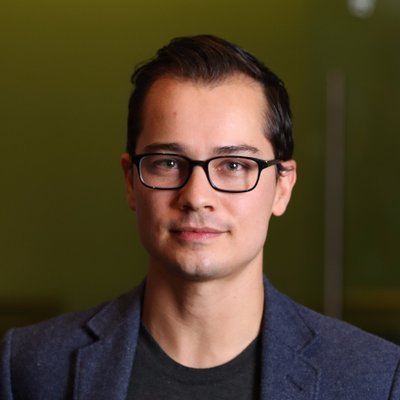
Ryan Sean Adams
Crypto investor going bankless.

.png-a616dc52961c1edd72b0c1fdf5f47e7a.png)
.jpg-48bb3b8a9a7a83dee5836f716023f733.jpg)

.png-336efc5e35995e6b184e7e830baa688b.png)