🎙80 - Ethereum is the Greatest Trade | Raoul Pal
Market Cycles, Technology, Adoption, and Allocation


Up next
All episodes 01:39:34
News
01:39:34
News
📺 ROLLUP: Visa buys CryptoPunk | Budweiser Beer. ETH | NFT Mania
 01:33:31
NFTs
01:33:31
NFTs
📺 NFT Mania | Andy8052 & DeeZe (SotN 8/25)
 01:25:02
Ethereum
01:25:02
Ethereum
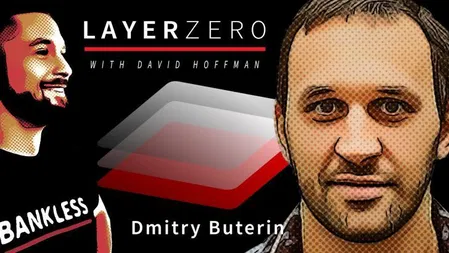
🎙 Layer Zero | Dmitry Buterin
 01:28:55
Regulation
01:28:55
Regulation
🎙️ 79 - The Crypto Coalition | Ryan Selkis
 01:28:55
Regulation Premium
01:28:55
Regulation Premium
🎙️ The Crypto Coalition | Ryan Selkis
 01:34:54
News
01:34:54
News
📺 ROLLUP: TikTok x Audius, Penguins & CryptoPunks, Robinhood ETH BTC Volume
 00:10:16
DeFi Premium
00:10:16
DeFi Premium
EXCLUSIVE DEBRIEF: Institutional DeFi Infrastructure | Fireblocks' Michael Shaulov
 01:41:41
DeFi
01:41:41
DeFi
🎙 78 - Institutional DeFi Infrastructure | Fireblocks' Michael Shaulov
Inside the episode
TracerDAO is building decentralized financial infrastructure through derivatives! >|<
Raoul Pal is the CEO and co-founder of Real Vision, the content production studio focused on democratizing access to financial knowledge. He’s an investor with a sharp eye on the global macro environment, and has a strong grasp on the relationship between history and economics.
What has changed since the last time Raoul was on the podcast? His takes on Ethereum are fascinating and thought-provoking, and his bullishness does not come lightly.
🎙️ NEW PODCAST EPISODE
Listen to podcast episode | iTunes | Spotify | YouTube | RSS Feed
Bankless Sponsor Tools:
⚖️ ARBITRUM | SCALING ETHEREUM
https://bankless.cc/Arbitrum
🍵 MATCHA | DEX AGGREGATOR
https://bankless.cc/Matcha
🔐 LEDGER | SECURE YOUR ASSETS
https://bankless.cc/Ledger
🦄 UNISWAP | DECENTRALIZED FUNDING
https://bankless.cc/UniGrants
RESOURCES
🏴 JOIN THE NATION 🏴
Subscribe: Newsletter | iTunes | Spotify | YouTube | RSS Feed
Follow: Twitter | Instagram | Reddit | TikTok | Facebook
Not financial or tax advice. This newsletter is strictly educational and is not investment advice or a solicitation to buy or sell any assets or to make any financial decisions. This newsletter is not tax advice. Talk to your accountant. Do your own research.
Disclosure. From time-to-time I may add links in this newsletter to products I use. I may receive commission if you make a purchase through one of these links. Additionally, the Bankless writers hold crypto assets. See our investment disclosures here.
Transcript
welcome to bank list where we explore the frontier of internet money and internet finance this is how to get started how to get better and how to front run the opportunity i'm ryan sean adams i'm here with david hoffman and we're here to help you become more bankless david ralph paul on the podcast again really interesting concepts and ideas we had them on nine months ago this was a different raul paul to me like similar in many respects but some definitely some different theses coming out of this
uh episode versus the last one and a totally different portfolio what was your take here yeah it's really interesting to follow raul paul down the crypto rabbit hole i think that's what why so many people enjoy the content that he makes in addition to being just extremely articulate and extremely just informed about the way that markets work uh we are all collectively watching ralph paul like discover crypto and formulate his own opinions um people kind of identify with crypto by the era in which they go down the crypto rabbit hole and so we all get to watch ralph paul go down the
rabbit hole late 2020 early 2021 and formulate his own opinions as what it's like to be in crypto in this specific part of uh crypto's history um raul is of course a big macro focused investor which to me is a very like sobering perspective to take right it's like you know ignore let's ignore the regulatory fund let's ignore the market movements of you know 24 hours or seven day charts or months big trends big trends only big trends only and it's a such a nice way to get clean signal
from a very noisy industry um so that's always why i like to talk to ralpal yeah i totally agree and i think backless listeners if you have time go check out the last episode we did with him in november it's just a fantastic episode in and of itself but it really shows kind of the the things that have changed in his thinking but also the things that have remained the same i think one thing that's remained the same is he is data driven right metcalfe's law is how he makes his decision network effects he has to see the data on chain he doesn't think about it too much but he looks at the trends uh and we got into that
discussion he also said this time ethan's money that's a big departure because we asked him his bankless platform has been saying that for a while we asked him last time if you thought ethan's money he didn't but what changed is he started seeing nfts purchased in ethan i think that's changed a little bit he also gave us some 2021 price predictions um he talked about how a billion people would be in crypto by 2024 if the current trajectory holds he also gave us a peek into his portfolio and last time it was 85
percent bitcoin we're not gonna let's not reveal it though david right something else now though fifteen percent eat and it is something else now i will say he got rid of all of his gold so you'll have to tune in to hear what his portfolio looks like this time around um all in all man i i think rowell gets it he's not blinded by tribalism he looks at this from a very analytical perspective and he has a gift for simplifying things uh and uh distilling them to kind of base concepts that are very understandable and memeable so huge
respect you guys are gonna absolutely love this conversation yeah and let's just go ahead and get right into it but before we do we have to talk for a moment about some of these fantastic sponsors that make this show possible living a bankless life requires taking control of your own private keys not your keys not your crypto that's why so many in the bankless nation already have their ledger hardware wallets which makes proper private key management a breeze but the ledger ecosystem is more than just a secure hardware wallet ledger is the combination of the ledger hardware wallet and the ledger live app
and if you're used to seeing all of your crypto services and favorite d apps all in one place ledger is where you want to be not only does ledger let you buy crypto assets straight from the app but it also hooks into decentralized exchange aggregators like paraswap which makes sure that you are getting the best prices on your trades without your assets ever leaving your control defy never stops growing and the ledger live app grows alongside with it so click the link in the show notes to see all the defy apps that ledger live has and stay tuned as more and more apps come online
and if you don't have a ledger hardware wallet what are you even waiting for go to ledger.com grab your ledger download ledger live and get all of your dapps all in one place arbitrum is an ethereum scaling solution that is going to completely change how we use d5 if you've been using ethereum for the past 12 months you've probably noticed the high gas fees and the slow confirmation times that have been plaguing d5 too many people want to use ethereum and it doesn't have enough capacity for all of us that's where arbitrarum comes in arbitrary is a layer two to ethereum
which means arbitrarium can increase ethereum's throughput by orders of magnitude at a fraction of the cost of what we are used to paying when interacting with arbitrary you can get the performance of a centralized exchange while tapping into ethereum's level of security and decentralization this is why people are calling this ethereum's broadband moment where we get to add performance onto decentralization and security if you're a developer and you want to save on gas costs and make an overall better experience for your users go to developer.offchainlabs.com to get
started building on arbitrom if you're a user keep an eye out for your favorite defy apps building on arbitrary arbitrary has been working with over 300 teams including ethereum's top infrastructure projects and will be opening up to all users shortly there are so many apps coming online to arbitrom so you may want to pack your bags in preparation for the great migration to the arbitrary layer 2. to keep up to speed with arbitrary follow them on twitter at arbitrom and join their discord bankless nation we are super excited to present our next guest to you this is
raul paul he's been on the podcast before he's the founder of real vision he's one of our favorite voices in the space talking crypto talking macro talking investing in general it's been about nine months since we last had him on the bankless podcast that was november 2020 and oh my god so much has happened since then it feels like about nine years so we want an update we want to unpack his brain particularly on the events over the last nine months and how he's thinking about markets today raul
welcome back to bankless it's great to have you it's great to be here two tropical storms and a power cut couldn't stop us doing this that's right no one can stop us from doing this uh we had to for bankless listeners we had to reschedule this uh twice we actually thought we were going to have to reschedule this time because as soon as browal jumped on the on the on our call power went off electricity and the caymans went off how are you guys doing is this typical for the cayman's rallies no it's not it's actually a pretty stable place where everything works for some reason when i've been here seven years
and we've had i've had three storms in seven years two of them within the last week so either global warming is going exponential or it's just unlucky maybe just unlucky but we feel lucky to have you back here and we're glad we could uh actually have this conversation you know we thought we could do uh sort of a rundown of topics raul and just pick your brain on them um so we want to talk eath we want to talk d5 we want to talk nfts in the metaverse and everything that's going uh on we
want to contrast that with our conversation nine months ago but i thought what we could do is go from sort of top to bottom big to small if you will and let's let's start with sort of the macro uh and take us back nine months ago what's changed in the macro world over the last nine months give us the update there so what basically happened so nine months ago let's say we were talking about june may june last year that my macro thesis at the time was
that we were going to see um we were going to see some sort of insolvency phase the overhang from this whole situation that didn't happen because of the unprecedented amount of monetary printing that went on and the ongoing fiscal stimuluses so then we look back and we realized that the worst recession in all recorded history only lasted two months and that was all about again this
stimulus so if you are janet yellen and jay powell you sit in a room together and go that was pretty good eh it kind of worked it worked for the financial crisis and now it worked for the entire world closing down maybe we don't have to have a business cycle maybe we don't have to have risk anymore so the marginal propensity for them to use to fire that gun again is extremely high well the market sells off well let's
just add some stimulus you know we're still not sure that equality is quite right we'll add some stimulus every answer becomes we can add stimulus so the market currently has been looking for strong growth and jay powell was out today talking about potentially tapering because the growth numbers have been strong but my work suggests that the economy is actually weakening so china has a weak credit cycle and its gdp growth is falling sharply um japan has got
itself in a huge mess now with the covid delta variant that's the third largest economy in the world and you know europe's still stop start the us still not fully recovered and it's normal normally it takes maybe two years to fully recover from a recession and this was a big one so after we call the end of a recession generally the central bank cuts twice again after it because growth isn't fully stabilized
so in this phase where growth i think is starting to weaken we see it in things like uh well the most dramatic being the university of michigan sentiment surveys for buying climates of houses and cars and big ticket items people have just gone this is the worst buying climate we've ever seen it's the worst numbers we've ever seen in these surveys because of the price rises that came from from the supply shocks beforehand we see rollover in ism and these other business cycle surveys so we're going into a period where the fed
are talking about tapering the market really thinks inflation is the big enemy and probably we're about to see a slowdown now knowing that every single recession since 1962 the fed cut rate twice after it and we saw this little spike in bond yields first and then bond yields went back to the all-time low almost every time since 1990 for sure so the probability is for me that the economy is weakening the fed cut again
twice there's probably more fiscal stimulus to come and the markets haven't prices him at all now in the context of what does that do for asset prices well i've talked to a lot about the significance of this printing it doesn't come up in cpi the inflation that everybody talks about it comes in the fall of the valley of fiat currency the denominator and we see that because basically you can you can divide any asset by the fed balance sheet and everything's about flat and you can do the same with german
property and the ecb balance sheet or uk property and the bank of england balance sheet or swedish prop it works pretty much consistently we're lowering the value of a fiat currency overall so if the fed are going to do that we should see a rise in the value of equities the value of real estate most assets and especially cryptocurrency so your take is we're going to continue to see asset price inflation but what about cpi inflation i mean there's definitely been murmurs of that
uh of course we hear from the you know from the fed and economist that it's just transient it's not you know permanent others say no this is going to be more pernicious it may go down and up in cycles but the trajectory over the next you know five to ten years is going to be up from the cpi perspective what's your take on cpi inflation my big picture take on cpi inflation is it's almost impossible to to make it go up we have the baby boom generation who are now
70 and they're all retiring so their consumption pattern falls significantly and we've just seen over the last year the largest wave of retirees in all recorded history and those people once they retire spend less money because actually their pot of final savings is not that big but the ones that are still in the labor force are competing with their kids the millennials so you've got the two largest cohorts in all recorded history competing for jobs
then we've got globalization so if it's not bad enough competing against your parents you're competing against chinese and indians and if that's not good enough you're all competing against the robots and ai so that backdrop is and in a massive credit bubble so that backdrop is wildly wildly disinflationary you know the relentless rise of technology is hugely disinflationary so can you generate cpi inflation
i don't think you can you can't generate in food because technology just destroys it because crop yields keep going up price of food keeps falling you can't do it in basic stuff like clothing and furniture none of that stuff because technology keeps changing your 3d print tables and chairs now it requires no humans you can do it just in time technology need no inventory and this is relentless the only two real things that three things that went up over periods of time one was housing which we're aware of
another asset of course yeah but rents have gone up as well so that's that's not been easy healthcare well no [ __ ] sherlock if you've got 76 million baby boomers at 70 years old they're competing for healthcare so the costs go up and that will continue the other one was education but that's collapsed the rate of inflation because the entire millennial cohort has now left university pretty much i think they're all out now so i think it's gen z and university
so the cost the the marginal um consumption of of education has gone down so i i find it very hard to see this now are you going to be able to keep the price of copper and industrial materials higher copper maybe because of the electricity boom that's coming but overall technology lowers the price of copper you can extract more copper we saw that with fracking and oil that's technology that's how technology stops price rises that's probably the best example in the world
is you know you cannot keep the price of oil higher because technology keeps dropping it lower so no i don't believe in cpi that is a good example um so this is kind of a mental model buster i guess for me so my um model of things or my best guess going into this was like hey over the last 10 years we sort of saw the asset price uh story that's at price inflation story right ever since uh 2008 kind of you know fed printing um money supply increasing eventually it's going to
asset prices you're kind of saying and then i in my mind i sort of thought well the next 10 years might play out uh and some of that asset price inflation might sort of seep into cpi and become you know more pernicious but you're saying like that the this the next 10 years might actually turn out to be similar to the previous 10 years we just get some increasing asset price inflation even the truth is wages in real terms in the united states have not gone on gone up since
in any meaningful way so they've underperformed almost everything so what that means is your wages your income has remained static while the cost of assets has gone up so you're actually poorer what is that why what is an asset asset is delayed consumption you put your money into the asset and in 20 years time you sell the asset and you spend the money but that's the point of owning assets they're delayed
consumption what it means is your future self has now got a lot poorer because this stuff keeps going up faster than your wages this is the real dramatic problem that equation of can you get wages up to create demand push inflation no can certain cohorts wages go up sure but overall you can't because everybody in silicon valley's job is to drive costs lower
and it's it's a it's a really dramatic situation this creates a huge amount of anxiety social anxiety people don't know why they're getting screwed but they're getting screwed and it's not just the fed raising asset prices it's actually the fault is of the silent generation who had too many kids after world war ii that's act if you want to blame somebody and you know world war ii was a feature of world war one because they didn't pay
the because the um they refused to allow the germans um to forgive their debts so it's a long story of how we got here but it's not going to change we're all paying for the sins of our fathers i guess probably while committing new sins without knowing it that future that's right you don't know the law of unintended consequences i mean nobody thought that this is what would happen is after the euphoria of world war ii 70 years later you'd create a massive collapsing growth
which has happened in europe japan everywhere else that had post-world war ii economies they all did the same the others are slightly older because they had a lower rate of immigration the united states did and what happened was they all started their economy started slowing down faster than the us but it's baked in the cake it's difficult to avoid almost impossible so that's the the macro story now let's maybe um burrow another layer deeper here but still relate it i know you've had a thesis role that that's basically
like macro and crypto those two things will converge that's going to become one in the same thing it's just a it's a fast convergence but people might not see it coming what have we seen over the last nine months in the macro story of crypto has there been more of that convergence are they now close to one and the same or what's changed so i think they're the same so if i go to my peer group and the people i really respect from macro hedge fund space right so that's the pointy end of macro those are the
guys almost all of them have transitioned across in one way shape or form either entirely or partially really like yeah i mean very like the last nine months or how long it's been happening slowly but it's increasing you know it's going exponential as all these trends do so you know people like alan howard who's one of the world's most famous macro investors based out of the uk he personally is entirely crypto now you know dan tapiero you know good
friend of mine he's entirely crypto now i'm pretty much entirely crypto certainly my investments are i still look at them whole macro world but one after the other they're all seeing the superior returns and a solution for the set of problems macro problems so macro guys generally tend to be pretty pragmatic we've got a set of problems solutions what's going to make money allocate capital accordingly but everybody's going well this is the biggest opportunity we've ever seen because you start everybody starts on the bitcoin journey and ends up going
having the holy [ __ ] moment that everything is about to change and i'm sure we'll talk about a lot of that later so i think macro and crypto have merged what you're seeing now is you're seeing a lot of noise from the late comers to macro people who only know either the late comes from macro or the ones that have been around very long and are anchored to gold and certain kind of mean reverting ideas what you're seeing is a fear of change so the noise that you're getting at the
periphery the peter ships of this world for example it's not that peter schiff doesn't understand that crypto is the future it's that he doesn't want it to be because it's technology we call that we call that bag bias is that what you're saying it's actually worse than bag bias it's a fear of change right we're going through the fastest change in all history so for people to understand what i'm talking about the internet grew at 63 a year from 1990 to
2000. the internet was 140 million users at 1997ish crypto is about the same now but the crypto digital asset space is growing at 113 a year this is the fastest adoption of any technology in all recorded history people don't want to believe it how can my very system of money change in front of my eyes what what does the central bank mean any longer what does it mean for my savings what does it mean for you know the thing that i've railed the gap about all the time is gold that'll save you from all
of this and now there's something else everyone has to drop so much of their kind of outward-facing belief system and it's hard so that is the that will slowly change over time but generally the macro people who are broad-minded have entirely changed well i want to get more and more granular as this conversation goes on into some of the nitty-gritty details about you know what's going on in the world of crypto but but before we do that i i want to just emphasize the role
of the macro perspective when using that perspective to actually understand what's going on when we get to those nitty gritty details like nfts and metaverse and whatever and so let's just keep going on this why is what is so powerful about the macro perspective and what are the what properties about you know bitcoin ethereum and crypto uh make this obviously a macro conversation right yeah you talk about internet adoption you talk about like network effects and metcalf laws like why does why does the properties of crypto so neatly fit into a macro
perspective the easiest way of explaining is by my journey how did i get here and my journey was i was macro macro for 30 years it was 1997 where the world changed 97 and 98 was the asian crisis the asian crisis was a sovereign debt crisis and a corporate debt crisis that wiped off the value of asian stock markets by 90 currencies collapsed 80 it was a total wipeout of wealth in asia
and it was driven by debt the answer to 1997 and 98 was to cut interest rates long-term capital management the giant hedge fund blew up at that time as well the answer to that because it could have taken down the financial system was to cut rates that led to firstly a massive rally in equities and pouring of money into the internet boom so that was a vc led rally plus all the stocks
that obviously ends up morphing into where we are today the inter you know crypto could not have happened without the internet but what happened over that period is a massive debt bubbling property so the debt bubble continued it in fact accelerated then it blocked the entire world's banking system in 2008 nobody know who who'd owned what so when lehman went under everyone's like well i don't know how do i get my stuff back and they're like well it's not your stuff it's been rehypothecated 37 times so you can fight it out in courts and oh
by the way it's held in the cayman islands london new york and hong kong figure it out yourselves right that was the mess we got into and people got wiped out then we cut interest rates to zero and invented constant of easing which the japanese have been kind of trialling beforehand so now we're pushing money into the banking system and we have rates at zero and so humans being humans go well great we'll just borrow more money and they just keep borrowing money so
all of us in macro have been watching this and talking about it for a long time 20 years long time and we knew you know business cycles only come along once every five to eight years and it all comes to a head in a recession so 2008 you kind of knew was coming because of what had happened in 2000 and what had happened in 97 and the piper was going to get paid and the central bank figured a way out of it then suddenly
this event happens last year there was going to be a recession but the accelerant was the pandemic so it blows up everything and the world could have blown up again right all everybody should have gotten insolvent because the world's shut down for a year but the government just said no here take free money and the central bank will just print it so we now know what it's doing to the value of our savings because these assets are going up we're actually getting poorer in our future selves
and so the macro guys start thinking well how the hell are we going to get out of this cycle it's either going to blow up spectacularly but the odds are getting less or we're just going to get poorer slowly over time so it's a matter of how fast you figure out what's going on so once you figure out what's going on you look at crypto and it solves a lot of this so when bitcoin first comes along it's clear it's developed solely for this job i mean it's very clear in the white paper and it's very clear when they're looking at the banks being bailed out again that somebody figures out why don't we try a scarce digital
asset and see if that works and then about a year or two after that people start figuring out oh blockchain oh that kind of is interesting but other stuff because we've got now a trusted ownership structure which the world didn't have then europe blows up in 2012 as well we almost lost the whole of the european union and all of the banks so we kind of know it's a big problem and then ethereum comes along with smart contracts and then the kind of light bulb moment for everybody goes off is like actually we can rebuild the entire system from scratch
so as a macro guy when you know you've got something fundamentally broken and there's only one set of outcomes which is printing more money we've got this low growth from this and technology and all of these things have been changing the world so we've got we've got low growth massive debt makes it harder to service the debt increases the amount of printing so therefore these assets go up but the real macro opportunity is to invest in the new world
we've just discovered the americas from scratch why would you not buy that because it actually answers all of the problems it's got the scarcity it's got the ownership the transference it's a new system it doesn't have the fragilities of the old system you know and then the macro story gets better because it's like you know if you remember go back nine months go back maybe 18 months i was like we need a yield curve four months later d5 explodes and it's kind of there's different yield curves everywhere and different wrist curves and god knows what and then eth and
staking comes along and we've got now got a risk-free yield i mean we've got everything we need so this becomes a macro bet now so how do you analyze a macro bet because for me i can't understand all of the protocols or you know look at every single token think about everything so you need a framework a macro framework we need to simplify it and so i spent a lot of time uh around kind of november last year october last year looking at the pushback people would give you in social media
when you talked about ethereum and would hate you right yeah so i remember when you came on in november and one of the big i could tell one of the big um areas of interest for you at the time rao was like tribalism because i think you were you were seeing all the tribalism in crypto and being like why can't everyone just get along but that tribalism forced me to understand when i get these kind of pushbacks right so we talked about it before the kind of gold crowd why do they push back i don't get
pissed off with them for pushing back i try to understand why what is the motivator and then once you understand what it is it's a much easier thing to deal with and also to reason with people and this bitcoin pushback about ethereum i was like what is going on here and you know we know all the stories of why but they all had reasons why ethereum was not the same as bitcoin and it's it's obviously clearly not as an asset right it's very different thing but why would you not look at it the
same way you know all equities you kind of look at the same way and all fixed income you do and so why would you not so then i just dusted off metcalfe's law and realized that it fitted perfectly it was absolutely perfect and in fact it matched exactly where bitcoin was when it had the same number of wallet addresses and it was like oh my god it's the same price as well and then i realized the whole damn space was this so then it was just a matter of adoption i didn't have to be the guy in the weeds
understanding everything i just need to understand how fast the adoption was and when we're talking about adoption there's two ways we need to think about it one is investors in it so we can see doge for example classic example of a one side network effect so price goes up because bunch of investors but if they go it would all disappear but ethereum clearly had more developers working on it than any other ecosystem and that was growing the rates of change of that and the number of applications so now
you've got this kind of perfect storm of network effects and that helps me understand stuff like doge as well i mean people are like this is a scam blah blah blah no it's not if you've got 40 billion dollars of value in it from investors alone then all somebody needs to do is figure out the other side and you've got a massive network and the first person to do that was actually mark cuban mark said fine you can use doge at dallas maps and

David Hoffman
Co-owner at Bankless. Optimistic storyteller of frontier technology.

.png-a616dc52961c1edd72b0c1fdf5f47e7a.png)
.jpg-48bb3b8a9a7a83dee5836f716023f733.jpg)

.png-336efc5e35995e6b184e7e830baa688b.png)