151 - Why Are We Here? with Erik Voorhees
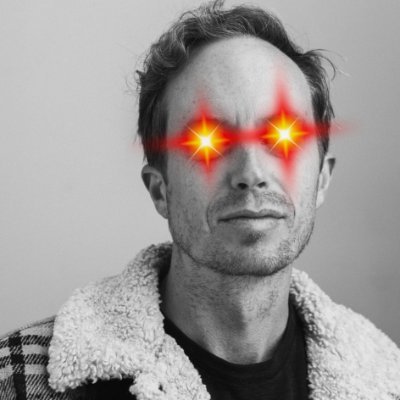
Erik Voorhees is a crypto veteran of veterans. He’s one of the greatest advocates of open and permissionless systems that we have in this space.
Up next
All episodes 01:24:51
News
01:24:51
News
ROLLUP: Why Solana is Down Bad | Avi Arrested | MicroStrategy Purchases $41M Bitcoin | Gemini Sued Over Gemini Earn
 01:22:25
News
01:22:25
News
ROLLUP: SBF in the USA | Visa Ethereum Payments | Trump NFTs | Binance Buys Voyager
 01:54:33
Ethereum
01:54:33
Ethereum
150 - Bull Case for Ethereum IV with Justin Drake, DCinvestor, & Anthony Sassano
 01:41:26
Investing
01:41:26
Investing
Crypto Thesis for 2023 | Ryan Selkis
 00:20:22
Vitalik Premium
00:20:22
Vitalik Premium
DEBRIEF - Ethereum in 2023 with Vitalik Buterin
 01:46:49
Ethereum
01:46:49
Ethereum
149 - Ethereum in 2023 with Vitalik Buterin
 01:36:36
News
01:36:36
News
ROLLUP: SBF Arrested | Trump NFTs | Binance Bank Run | Fed Inflation | Proof of Reserves | Bored Ape Lawsuit
 01:03:41
News
01:03:41
News
2022's Biggest Crypto Moments
Inside the episode
In this episode we talk about his legendary debate with SBF—this is the first time we’ve caught up with him since. What are his reflections now? We also dive into how this bull/bear cycle is similar and different from previous ones, how do we preserve crypto’s core principles, and most importantly—why are we here? Why crypto? Why now? Why stay?
Erik doesn’t waste a word in this episode. Happy New Year everyone. Let’s keep building.
TIMESTAMPS
0:00 Intro
6:17 Where Did Crypto Go Wrong?
8:43 Crypto Labels
12:30 Responsibility
14:26 Accountability
18:19 FTX Collapse From Erik’s POV
24:05 SBF’s Headspace
28:45 Potential Alternative Realities
30:50 SBF’s D.C. Relationship
34:47 Was this Cycle Unique?
38:58 Lessons From Past Cycles
43:36 Learning Through the Pain?
48:33 Why is Individual Empowerment Correct?
50:20 Coordination & Order
54:26 Power
1:02:22 The U.S. Constitution
1:07:13 Code Enforcement
1:08:07 Why Are We Here?
1:09:49 Baked-In Crypto Principles
1:13:03 Perserving Core Crypto Values
1:16:48 Is Erik Radical?
1:21:44 Will Crypto Ever Go Mainstream?
1:25:53 Cycle Common Denominators
1:28:19 Bear Market Advice
1:29:31 Erik’s Bull Market Forcast
1:32:00 Action Items & Disclaimers
RESOURCES
- SBF vs Erik Voorhees episode
- A Response to SBF and Principled Crypto Regulation
https://www.moneyandstate.com/blog/response-to-sbf - Sophistry and the Savior
https://www.moneyandstate.com/blog/sophistry-and-the-savior - 24 - Exploring the Frontier | Erik Voorhees
Transcript
Welcome to Bankless, where we explore the frontier of internet money and internet finance. This is how to get started, how to get better, and how to front run the opportunity. This is Ryan Sean Adams. I'm here with David Hoffman, and we're here to help you become more bankless. Guys, first bankless episode of 2023. Are you ready? This is Eric Voorhees, and he doesn't waste a word in this episode. He never does. We talk about SBF, we talk cycles, we talk crypto values, we talk about what matters and why we're really here. That's the point as we get into this. A few takeaways for you. Number one, a discussion on his legendary debate with SBF. That happened in November of last year, 11 days before everything with SBF went crazy, and this is the first time we've caught up with him. What are his reflections now? We talk about that. Also, we talk about the macro cycle, the bull bear case. Has it been the same as the previous ones? Was 2022 the same or different? If it was different, what was different? What are the lessons that we can learn moving into the next cycle? And most importantly, we talk about crypto values and why we're all here. David, we got a lot to discuss during the debrief. What's on your mind?
I think that I really want to take this moment in the debrief to kind of go back and talk about a lot of the core theses that Banklist stands upon. And Ryan, we did, I think, a really good job in the early days of this podcast laying out some of the core principles that we really think power this industry. And then, I mean, we kind of assumed that everyone knew them, and then we moved on to other things. But it's been a while since we talked about the protocol sync thesis, for example. And so since we were having Eric on, and since Eric is such a first principly managed person, a person who thinks very deeply, I want to go back and talk about some of the early theses that we talked about on the Bankless Podcast and resurface them and take this opportunity to resurface them. Because there's a lot to catch up the newer listeners of this show on. So if you are not a premium subscriber, definitely go subscribe to Premium to catch the debrief. It is the episode that Ryan and I record right after this, right after we record with the Monday podcast guest to have a raw and unfiltered thought. So there's a link in the show notes if you want to catch that episode. Just a little bit of extra content for premium subs. So, Ryan, I think we should go ahead and get right into the conversation with Eric Voorhees.
Bankless Nation, very excited to introduce you to Eric Voorhees, whom you know. He's a crypto veteran of veterans. He's one of the greatest advocates of open and permissionless systems that we have in the space. Certainly an important voice and has been very recently. He's likely also soon to be featured in the upcoming documentary series about the downfall of SBF. I gotta think that's coming pretty soon. Because the last time we had you on, Eric, was you run this whole SBF debacle, and you were actually you had a debate with SBF about 12 days, I think, before all of this went down. We'll get to that and more. But Eric, first of all, how are you doing?
I'm good. I'm good. It's good to see you guys. Thanks for having me back.
That was quite a bomb that dropped the last month and a half.
So I have all my appendages still. Looks like you guys do as well.
And we'll just keep rolling.
Yeah, this is part of the reason why we wanted to have you on the podcast, is I feel like at this point in crypto you're pretty bomb proof. And we want to ask a little bit later about the magnitude of this specific bomb and how it's measured against the other bombs that we've seen before. But can you help us with the high level question? Because coming out of 2022, of course, the headline is something went wrong in crypto.
We were talking to some folks outside of the space and media and others, and we were like, hey, how does crypto look from the outside? And uh I remember Sagar came on the podcast from Breaking Points, and he was like this. He's like, I'm not gonna lie to you, it's looking pretty bad.
That is the impression outside of the crypto space. And I want to ask you this question
where do you think we went wrong?
in twenty twenty two, or maybe it was the months leading up to it. Where did we go wrong as a community, as an industry?
I think my response to that is to cringe a little bit at the collective use of we here.
Right? Like um
crypto is this diverse tapestry of individual people,
and many of those people are quite unsavory. Many of them are absolute heroes,
and lots of people in between.
So where did we go wrong?
I don't know. I feel like this was a good year for me. I made a lot of good decisions.
I think you guys have done a beautiful job with your show. It's become, you know, one of the most important in the space, and I really value it.
At the same time,
you know, SBF, um,
where he went wrong was stealing $10 billion of customer money.
So that much is simple.
I think it's important that we don't describe ourselves as a collective to the outside world.
People have different goals and views of what crypto should be.
The cultures between these different chains are different.
And I think that's actually part of our strength, is that we're not this like monolithic group that all think and act the same way.
So yeah, that's where I'd leave it.
So Eric, we're just having a conversation in similar vein with Vitalik, and he was talking about like kind of terms we use and this one specific blog post, he chose to use the word Ethereum in the title, the Ethereum ecosystem, talk about Ethereum rather than crypto. And there is an element and he said he was still kind of playing around with that, but there is an element of like there are some group labels here, right? And how do we represent ourselves to mainstream? So for example, if I say I am in crypto right now, at this point in time, that feels a little embarrassing. Now I can explain what I actually mean, and I'm like, oh, I'm one of these crypto people, and I'm not one of those crypto people. But how do we come up with labels for this sort of thing, organic labels? I'm like, I'm part of the decentralization crypto side of things, not part of the fintech bro side of things. What is that? I don't quite have the words to sort of describe this. And unfair though it might be, a lot of us have been operating under this group label of crypto. How do we get out of that trap?
While I still proudly wear that label,
I think crypto is where an incredible revolution is happening.
So I don't shy away from that at all. I think things like labels and the words we use for some of this stuff are somewhat superficial, and
the superficial observer will get tricked into thinking things that they read in headlines.
And if we play that game, it's just going to be unfulfilling and probably a losing proposition.
Like the reason crypto is cool
is because of what we're building. And so the constant focus on the building, on the software, on the technology,
on the principles,
that is what we should care about. And people will assign labels to us, and
and that's all fine, but it washes away with the latest trends.
So I wouldn't worry too much about that. And also, whenever crypto is in a bear market,
the reputation from the outside is just trash.
And then these same people who don't care to look into what this actually is or what it's about
get totally blindsided when the next rally happens
and then they ape in at the top. You know, those aren't the kind of people that we should
care to
to court. You know, we should be courting people that build quality software, and that's really it.
With regards to the point that
Crypto is a diverse cohort of people that have many different attitudes, and some people are fraudulent scammers who steal 10 billions of dollars, and other people are public good maximalists and want to build public systems. Like obviously, very different collection of people that come to the space. Crypto's got something for everyone, no matter who you are. That's kind of one of the big selling points of what this industry can provide. And when you say that we can't blanket all of crypto into one like label, that I definitely think is the goal of this industry. We want crypto to be as large as the internet itself. And no one would ever dare to say that like the internet population, it's this one ongoing community of internet goers. It's diverse. But to take the other side of this conversation, I'll say that crypto is actually really small. And sometimes, and especially during bear markets, it kind of feels like we're all in the same room together. We are like all one degree of separation from everyone else in this industry. It doesn't go that far. And so, like, who are and I'll take some responsibility here, and this has been a theme on the Bankless Podcast lately with some of the episodes that we've recorded, is like responsibility, right? And
When somebody in my industry steals $10 billion, or somebody in my industry destroys an algorithmic stable coin, even though I would not take part in that whatsoever, I still feel responsible because that's my industry. That's the thing that I represent. And so this has been something I've hopefully trying to reflect on and move forward into the next cycle. As in, like, you know, SPF, he like really rubbed a lot of the Ethereum community the wrong way. But we didn't speak out against him enough. Doquan definitely rubbed us the wrong way, but we really didn't come hard on him. And so, like, to some degree, I just want your perspective on this. To some degree, I do feel responsible for some of the bad things that happened in this industry in 2022 because it's my industry. What would you say to that, Eric?
It's an interesting perspective. I don't think you should feel any responsibility for the sins of other people.
Period.
Yeah, that's not on you guys.
You guys are individuals, bankless is its own projects, and you should be very proud of what you're building.
It's not our responsibility to find every sin that others are committing. And indeed, there are so many in the ecosystem that that would be a fool's errand anyway. You know, there's a lot of noise in crypto.
And to call out all the noise is not that useful because there's so much of it.
Calling out the virtue where you see it,
I think, is the goal. When you see profoundly important projects
built soundly and with good principle, highlight those.
But don't beat yourself up just because you missed one of the many sinners.

Ryan Sean Adams
Crypto investor going bankless.

.png-cde5b9c0aa4838d09c634abbd1136ff2.png)

.png-a616dc52961c1edd72b0c1fdf5f47e7a.png)