🎙️ Legitimacy | Vitalik Buterin
The Most Important Scarce Resource is Legitimacy
Up next
All episodes 01:27:52
News
01:27:52
News
📺 ROLLUP: Uniswap V3 | BTC in Bank Accounts | Bankless DAO | ETH All Time High
 01:59:03
Vitalik Premium
01:59:03
Vitalik Premium
🎙️ Early Access: Legitimacy | Vitalik Buterin
 00:47:23
NFTs
00:47:23
NFTs
📺 RELEASE: VeeFriends with GaryVee
 01:26:11
Podcast
01:26:11
Podcast
📺 SotN #45: Chainlink 2.0 with Chainlink God
 01:41:51
Podcast
01:41:51
Podcast
🎙️ The Crypto Renaissance | Josh Rosenthal
 00:30:55
Podcast Premium
00:30:55
Podcast Premium
EXCLUSIVE: Debrief | The Crypto Renaissance with Josh Rosenthal
 01:17:31
DeFi
01:17:31
DeFi
📺 AMA with Scoopy Trooples of Alchemix
 01:34:34
Ethereum
01:34:34
Ethereum
📺 SotN #44: Modeling Ultra Sound Money | Justin Drake
Inside the episode
Become an NFT Appraiser with Upshot! Beta Access for Badge Holders.
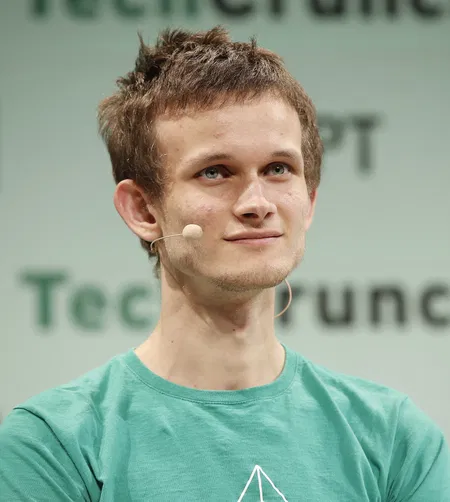
Vitalik Buterin is back on Bankless to discuss his recent blog post: The Most Important Scarce Resource is Legitimacy.
👀 Want to hear Ryan & David’s after-the-podcast conversation? Full subscribers get access to the raw, unfiltered debrief conversation recorded directly after the episode.
🎙️ NEW PODCAST EPISODE
Listen in Podcast App | iTunes | Spotify | YouTube | RSS Feed
Bankless Sponsor Tools:
💰 GEMINI | FIAT & CRYPTO EXCHANGE
https://bankless.cc/go-gemini
🦊 METAMASK | DEFI PASSPORT
https://bankless.cc/metamask
🦄 UNISWAP | DECENTRALIZED EXCHANGE
http://bankless.cc/uniswap
🔀 KWENTA | SYNTHETIC ASSET EXCHANGE
https://bankless.cc/kwenta
Bankless Podcast #64: Legitimacy
Guest: Vitalik Buterin
May 10, 2021
Ethereum co-founder Vitalik returns to Bankless – "the greatest Ethereum podcast" – for a deep dive into one of his recent blog posts, titled "The Most Important Scarce Resource is Legitimacy." The catalyzing example for Vitalik's discussion of legitimacy comes from Bitcoin and Ethereum, who both have the power to mobilize a tremendous amount of capital but are restricted in how this capital is used. Vitalik posits that legitimacy is the deep and powerful social force behind this.
Legitimacy is a social phenomenon that describes things that are broadly and generally accepted in a coordination system. Without ascribing moral values, legitimacy can be seen as social reality - the status quo. Legitimate things include the de facto norms and collective expectations of groups, whether you like it or not.
According to Vitalik, there are a number of ways to achieve legitimacy: brute force, continuity (inertia), fairness, process, performance, and participation – these are not mutually exclusive. Cryptocurrencies and blockchain ecosystems 'earn' legitimacy by community acceptance and adoption, but the continued legitimacy of these things is dependent on maintaining that which made it legitimate in the first place: promises and proofs of decentralization & security.
Vitalik turns this discussion towards funding public goods. Ethereum can't summon capital for public goods without sacrificing the decentralization and soundness that give it legitimacy. However, these expectations are not carried as strongly in the app layer. This gives the ecosystem flexibility to coordinate and provide for the health of the network beyond base layer security & decentralization. Legitimacy determines our best practices for interacting with the world – understanding and wielding the power of this concept is necessary to maximize the benefits we bring to it.
Resources:
- The Most Important Scarce Resource is Legitimacy
- Vitalik on Twitter
- Vitalik's Blog
- Vitalik's Bankless Appearances
THIS WEEK ON BANKLESS:
- 🧢 WEEKLY RECAP | Bankless DAO is Born (4/24)
- 🗞️ WEEKLY ROLLUP | Uniswap V3, Bankless DAO (5/7)
- 🧠 THOUGHT THURSDAY | Crypto Pawn Shops (5/6)
- ❓ RELEASE | VeeFriends with Gary Vee (5/5)
- ✏️ WRITER WEDNESDAY | The Never Sell Plan (5/5)
- 🏴 STATE OF THE NATION | Chainlink 2.0 (5/5)
- ⚒️ ANNOUNCEMENT | It’s Time for Bankless DAO (5/4)
🏴 JOIN THE NATION 🏴
Subscribe: Newsletter | iTunes | Spotify | YouTube | RSS Feed
Follow: Twitter | Instagram | Reddit | TikTok | Facebook
Not financial or tax advice. This newsletter is strictly educational and is not investment advice or a solicitation to buy or sell any assets or to make any financial decisions. This newsletter is not tax advice. Talk to your accountant. Do your own research.
Disclosure. From time-to-time I may add links in this newsletter to products I use. I may receive commission if you make a purchase through one of these links. Additionally, the Bankless writers hold crypto assets. See our investment disclosures here.
Transcript
welcome to bankless where we explore the frontier of internet money and internet finance this is how to get started how to get better and how to front run the opportunity i'm ryan sean adams i'm joined by david hoffman and we're here to help you become more thankless david metallic on the podcast again another cannot miss episode what did we talk about we talked about legitimacy this invisible force that vitalik has named as legitimacy that we are exploring in
today's podcast and we go through the ways that the concept of legitimacy impacts our lives our lives as individuals and our lives as part of a greater society and vitalik makes the claim that legitimacy is one of the world's most powerful forces and as a society we don't really talk about it but it really guides a lot of our day-to-day lives and it's even more true in the cryptocurrency space and i think the fact that legitimacy is one of the the most
powerful forces in the cryptocurrency space is perhaps why this space is so revolutionary it answers the questions as to why this industry is so bottom-up why this industry is by the people for the people because because the people are enabled to bestow legitimacy on the things that they see are good uh and so we we talk about a number of different subjects both in and outside of the world of crypt cryptocurrency where legitimacy really has the reins as to what is true
and how the the world moves forward uh and so really enjoy this conversation with vitalik buterin as always yeah i guess i you know i'd say a couple of things that's really impressed upon me with this episode i i feel like if you don't understand the concept of legitimacy even if you don't call it legitimacy you don't really understand what's going on in crypto because legitimacy is really the answer to so many of the questions like even basic questions david why is cryptocurrency trading over two trillion dollars right when it grows like you know 11 to 12 years ago is when it
started how did we come this far the answer legitimacy why are nfts valuable why was a beeple nft why did that sell for 68 million dollars answer legitimacy how come when i um like try to fork a bitcoin how come you can't fork your own bitcoin create your own alternative how come i can't do it how come there is only one bitcoin answer legitimacy why will uh why do we have confidence that ethereum's monetary policy won't change in the direction of
increasing inflation but only will change in the direction of decreasing inflation answer legitimacy like it's kind of the answer it's almost like the theory of everything for crypto and until you understand it um like i don't know that you have comprehensive answers to all of these most common questions vitalik said it's legitimacy all the way down i think he's right yeah and we can even go all the way back into history modern history and talk about uh you know the current situation
going on in russia with alexey navalny but we can go all the way back to just very historical primal examples of how humans choose to coordinate and how legitimacy is like this emergent higher order of acceptance of society and how when when everyone chooses the same outcome that outcome is bestowed with legitimacy and we can kind of build our social organizations upon that in initial kernel of legitimacy and that initial kernel of legitimacy carries on forwards into history uh into the future
and gains legitimacy every step of the way so while it is extremely apt for the world of crypto it also helps answer so many of the other questions that i think are really confusing to people today in modern society like why is the left and the right in america have so much strife between them why do we distrust institutions it all illegitimacy has a hand in answering i think every modern day social question yeah so vitalik is like again part part technical mind part philosopher
part anthropologist just has a fantastic lens on legitimacy so he was the perfect guest to explain it and he wrote a fantastic post that we based this episode on so that is the bulk of the conversation you're not going to want to miss it we also toward the end we talked about vitalik's thoughts on ultrasound money on ether issuance i thought that was a definitely stay tuned for that that was a a very interesting part of the conversation and we ended in uh him giving us a snapshot of time ethereum in
2021 what is in in store for it as a network will it become a global store of value reserve asset he even reflected on that too so this is an episode you do not want to miss david and i are giving some more conv had some more conversation about this episode in the debrief so if you are a premium subscriber you should already have access to that at shows.bag so with that we want to thank the sponsors that made this episode possible bankless is proud
to be supported by uniswap uniswap is a new paradigm in asset exchange infrastructure instead of a cumbersome order book system where trades are matched with other humans uniswap is an autonomous piece of software on ethereum which is what ryan and i call a money robot no human counterparties or centralized intermediaries just autonomous code on ethereum input the token you want to sell and receive the token you want to buy something brand new in the unit swap ecosystem is the uniswap grants program is now accepting applications for grants
we have been saying this for a while and will say it again dows have money and they are in need of labor if you think that you have something to contribute to the uni-swap dow apply for a grant to uniswap just look at the size of the uniswap treasury it's almost 3 billion this mountain of capital is looking for labor do you have something of value to contribute to the uniswap dao no matter how big or small your idea is you can apply for a uni grant at unigrants.org and help steer uniswap in the direction that you think it should go
that's exactly what we did to get uniswop to be a sponsor for bankless and you can do the same for your project thank you uniswap for sponsoring bankless synthetics is ethereum's decentralized derivatives liquidity protocol what does that mean synthetics is a platform for creating and trading synthetic assets which are assets that are priced via an oracle rather than bids or asks traders can use the quenta exchange which hosts and trades all of the synthetic assets created by synthetics traders on cuenta
can trade synthetic tokens like sbtc s oil or sd5 because quenta is powered by synthetics traders experience zero slippage on their trades no i didn't mean low slippage i meant no slippage because that is the power of the synthetics platform no slippage on your trades you can also easily short assets with isynths which are synthetic assets that move inversely to their target asset synthetics isn't just for traders developers can build on synthetics to access the infinite liquidity offered by
synthetic assets or investors can stake collateral to the protocol and earn fees that the protocol collects if you're a trader and you're looking for a trading platform and not found in the legacy world check out cuenta.io if you're a developer or you just want to earn yield on your collateral go to www.synthetics.io where you can stake your snx or eth and earn fees from synthetics all right welcome bankless nation we have vitalik buterin back on the podcast
and vitalik you recently wrote a piece titled the most important scarce resource is legitimacy and we are going to be talking a lot about legitimacy today on this episode vitalik welcome back to bankless how are you doing today sir thank you i'm i'm doing great and it's uh good to be back on bank list the greatest ethereum podcast at tm wow wow you heard it here folks it was a tm i want to know who has the tm though hopefully that is uh is settled on
ethereum and not in the nation [Laughter] metallic you started off your blog post illustrating this massive difference between ethereum and bitcoin security budgets versus how much each of these respective systems allocates towards research and development expenses you said bitcoin is paying miners 38 million dollars in block rewards plus 5 million more in fees per day and ethereum is is doing 19 and a half million dollars in block rewards plus 18 million dollars in transaction fees per day all going to
security which is a necessary expense but you juxtapose this with how much the ethereum foundation has to to spend on research and development which is just 30 million dollars per year and you do a similar compare and contrast versus like the the bitcoin innovation expenditures as well which is similarly very very low versus the security budget for for the ether for the bitcoin blockchain but you didn't you didn't do this to suggest that ethereum and bitcoin should find ways to direct some of their security budget to pay for human salaries for research and development but rather as a
thought experiment as to why this crazy discrepancy in funding exists and why we are okay with massively overpaying for security so two paragraphs that i want to read out that are in the the blog post themselves for the listeners that haven't actually read the piece you wrote even though we could easily identify some valuable public goods to redirect some funding to as a one-off making a regular institutionalized pattern of such decisions carries risks of political chaos and capture that are in the long run not with it we are faced
with this interesting fact that the organisms that are bitcoin and ethereum ecosystems are capable of summoning up billions of dollars of capital but have strange and hard to understand restrictions on where that capital can go and it's a social force that underlies all sorts of extremely powerful mechanisms far beyond the blockchain space for this reason that will be clear in the upcoming sections of the article i will give this powerful social force a name legitimacy the powerful social force that is creating this effect is
worth understanding and so vitalik we would love to explore the power and value of legitimacy with you today so let's start with this very basic question what is legitimacy um uh so the thought experiments uh that i just started the post with right it's basically a kind of calling attention to this strange fact that like ecosystems and uh like groups of humans more generally they have a kind of physical ability to uh summon up
resources um like each of us has the physical ability to summon up a certain number of hours of effort every week we have a certain amount of physical resources at hand and so forth but then there also seems to be this different thing this kind of social ability to actually sum it up and direct resources toward particular tasks and our ability to socially direct resources toward particular tasks is often a kind of wildly out of sync with the physical ability to uh direct
resources that's in the hands of each individual person right and so in this example like we clearly have the physical ability to summon up resources worth billions of dollars potentially to any task but we socially seem to have the ability to put those resources toward uh network security but we don't have the same ability to put those resources toward other things and like funding protocol research and development is one big example right and so you start thinking
about why um this is the case right and you also start thinking about well why is uh it the case that we have these uh kind of socially mediated resources uh in a lot of other contexts more broadly right so like i bet after this i brought up this case of uh the steam project and how a justin sun bought up a bunch of the steam tokens and he started using them to try to kind of consolidate power and sort of do an authoritarian take over the steam
network but then the community just said like you know no screw you we're going to make our own fork and we're going to delete your money in the fork right and the fact that this was possible um is basically proof that well actually justin's son regardless of what any ledger theoretically said never actually owns those coins right like if you own something you have the ability to use it for whatever he wants well he clearly as demonstrated by reality did not have the ability to use those coins uh for whatever he wanted he his ownership of the coins was actually
kind of controlled by these unwritten social contracts that the steam company had with the community and that he then inherited when he bought steam the company and so we have these situations where basically large collections of resources are controlled not by like physical force not even by private keys and not by any kind of formal arrangement of individuals but by a social contract right and so like this is what happens uh in the the
answer like with say a blockchain right like the ethereum blockchain for example like it's clearly capable of making the decision to switch from pumping five million dollars a year into proof of work to or 5 million eat a year into proof of work to pumping one million a year into proof of stake um but it would not be capable of uh switching to pumping one million if a year into say life extension research even though like i personally really love life extension research and lots of other people love life extension research uh so
like we need to just like properly think about and understand this concept like what does it mean for coins to be owned by social contracts like what what is actually happening in this phenomenon how do we describe this phenomenon and if we understand this phenomenon better like it's clearly this very powerful social force that you know we could potentially even try to apply and try to use it to fund more uh all kinds of uh good things that we that we like uh so then it gets to this
concept of legitimacy right and so the idea behind the legitimacy is basically that like in society in general there's a lot of cases where there's some action or there's some kind of pattern of behavior and there's this shared accept expectation that like some pattern of behavior is something that's supposed to happen and everyone plays their part in enacting the facts that this is a pattern of behavior that's supposed to
happen because like at least in a big part because they expect everyone else to share that pattern as well right uh so like the simplest example of this is like which side of the road do you drive on right and i mean for most people um listening to this it's uh you know you'd be on the right side of the road but you know for something in some places on the left side of the road and like there isn't really any like coherent reason why one is better than the other there's
no right side of the road maximalist then vitalik yeah i guess i don't know maybe there are a few but like again to be honest like i'm not really a car person so i said yeah like yeah i had to think for a couple of seconds to remember like which side of the road is which but um the like the point is that like even if um you know tomorrow the police completely disappeared um you know there are some things that would start going
wrong but like i would predict that almost all people like say in the united states would just peacefully keep driving on the correct side of the road and not driving on the incorrect side of the road because they know that you know if they start driving on the incorrect side of the road like that's just going against the consensus is the thing that's like is the thing that's bad both for society and for themselves um like and like there's just this high cost of disrupting the consensus and it's a high cost both of both to kind of the wider
society and just a high risk to themselves personally uh and so they just continue driving on the correct side of the road and by doing that they just sort of become part of the process of enacting this consensus and this is something that exists in a lot of social situations right so like one example of this closer to home in the blockchain space is like if you look at something like the dow fork right like there's the question of um you know is was the dow fork legitimate right and if
you think that the dow fork is legitimate then what when the dow fork is happening then you're going to you know go in peacefully download the ethereum client that implements the the dow fork and you're if you run some ethereum service you're going to hook up that um clients to that particular or your ethereum service to the client that implements the dow fork when you talk about eth you're going to talk about it as being the code the coins that are on the dow fork but if you do not like recognize the dow forecast being legitimate then you're going to do the opposite and you're just
going to keep running the client that does not implement the dell for right and so this is also one of those situations where like you have a yeah like there are reasons to wants to favor one side or the other but there also is this kind of strong overriding uh pressure to sort of favor the side that is brought everyone else broadly accepts and like this this pattern of kind of everyone watching what everyone else's expectations are informing their own
expectations based on that and like this kind of pattern right of like everyone watching everyone else and this being motivated even in part because like there is even an over this big self self-interest in uh going along with the consensus like this pattern is the thing that i call legitimacy right and so like in 2016 like we found you know the dow fork is like what was legitimate and uh in 2017 the bitcoin uh
segwit for example was uh legitimate and like i'm using the word legitimate in this very kind of positive sense right this is positive as opposed to normative like something can be legitimate even if you don't like it right like you know the government of north korea is legitimate inside of north korea because there's a pattern of acting like it is uh so but like this is the kind of like the social force that we're talking about right like it's uh you know basically which side of uh you know the equilibrium could fall either way and the question
is like which side does it fall on and that ends up just like deciding a huge number of things in the world guys uh when when i read this post it was sort of a missing link for me because i think legitimacy is a hidden force to use another popular podcasters vernacular behind so much of what happens in crypto and it answers so many of crypto's uh frequently asked questions and that's why it is so
important to understand what it is uh and uh and to get your your mind wrapped around this as a mental model i think what one thing you're saying vitalik is basically in in 2016 with the dao hard fork there was a a fight for legitimacy of which is the the real ethereum quote unquote and um it seems to be the case that the real ethereum is the ethereum that did hard fork as a result of of
maybe the market cap of ethereum the defy economy that's built on top of it the community that the ethereum economy has versus the ethereum classic fork so that was really a i guess a battle a social coordination game for legitimacy that's how you'd frame it absolutely vitalik just to recap and define a few things that you said uh leading up to this is you talked about this the steam blockchain versus dress and sun and and the dow fork um and i i want to
just make sure that this concept of legitimacy is is formally instantiated in the listeners brain where you're saying that uh justin sun didn't actually own the steam tokens that controlled over the the steam blockchain even though he had the private keys that controlled over the address that held these tokens because there was this invisible force this hidden force that exists out there in the world that in in that force was allowed to influence the control over the system and the force of legitimacy actually put the power of
ownership over the steam ecosystem into the hands of the community and away for jump from justin's son and now that this event happened we can retroactively look at what happened and say that well justin sun had the tokens but they were removed from him by this invisible power that is legitimacy and so there is a is a while we can't feel it well it doesn't exist anywhere it's not tangible there is this hidden social force out there kind of like the dark matter of the universe this this hidden
force of legitimacy that is directing our lives both in like both in the meat space and in the crypto space and perhaps especially in the crypto space um anything you want to add on to that oh i think that's uh definitely an excellent summary and i think like these kinds of hidden forces are definitely everywhere and they're extremely strong in the crypto space i think because the crypto space is like really all about uh just kind of trying to summon up value in entirely out of a
conception of legitimacy in a lot of ways right like the crypto space controls no physical resources the crypto space that controls no legal rights the crypto space controls no uh guns and uh and boats uh so like you know what gives bitcoin the value what uh that it has what gives each the value that it has like legitimacy is pretty much entirely responsible for these things it's very much a battle for hearts and minds it's a battle on the layer zero sort of the the social layer as we've said before i
wanna prompt back to the the original story that david opened with just to see if we can tie that on a boat maybe answer uh the question of why legitimacy was such a factor there uh and then we can define legitimacy legitimacy a bit more in other contexts but the reason that ethereum couldn't just siphon off issuance and put it into a development fund was because we don't like there there's no legitimacy in the governance of that development fund so
if you propose an eip for instance to uh create ethereum issuance to fund charity of your choice that would be an illegitimate use of the ethereum social contract i remember just a quick story back in 2019 this was actually sort of a real thing that was contemplated we were in the depths of the bear market ethereum there was kind of the question of is ethereum dead price was down the community was discouraged even though we were building so much during that time it was it was
sort of a discouraging time for many being in the space and and eip was proposed to answer the question that that you posited at the beginning of your article which is how do we make sure that ethereum client development at the protocol level is funded into the future and so eip 2025 was proposed and the title of this eip was block rewards proposal for funding eth1.x and what it actually did was it proposed funding to a good cause which is the future development of ethereum and
ethereum clients in the ethereum protocol um and there were a number of great people behind this kevin o'kee was one who uh he's created a fantastic distribution mechanism public goods funding mechanism in get coin but the difference is this is embedding some sort of issuance to some third party unnamed third party on the base layer which is a question of legitimacy and at the time i felt like um ethereum needed a bit of a wake-up call a bit more of kind of a
bitcoin or mindset of what could happen if we are naive about the issue of legitimacy i didn't call it then and i created uh eip202208 that's just kind of a joke um i'm not sure it landed among everyone but this was sort of a a riff off of the other proposal and i basically proposed an eip to report uh to award block rewards to thought leaders people in the media space with great twitter accounts i think some in the ethereum um community felt like i wasn't being maybe
sanctimonious enough about the eip process it was it was a joke but i surfaced the joke that was the point yeah that was the point uh satire but i surfaced the joke in order to provoke this this very conversation if an eip could be proposed to siphon off issuance for development why couldn't it be proposed to siphon off issuance for anything and then what's the governance process for that eip getting passed and it was very hard to justify the legitimacy of those things um any any thoughts or reflections on all of that
yeah i think let's you definitely gave a good summary uh i would say one of the things that became obvious as a result of that um is uh and then here we could probably kind of go down a bit to what i talked about in the next section of the post is like where legitimacy comes from right like what kinds of sources of legitimacy there are um and my point there is that like legitimacy is something that can theoretically come from a lot of places
but it's really heavily dependent on like human coordination and consensus and so legitimacy can most easily come from like things that intuitively appeal across broad groups of people um and so i gave a few examples right like one example of a legitimacy is just legitimacy by brute force right like if someone like takes over some community or exerts a really strong influence in some community even if they're not liked if they're feared by enough people then people
kind of get into this mode where like people realize that no one else is brave enough to stand up against them and so they and so they themselves start being uh not being brave enough to stand against them and like this isn't a pattern of legitimacy that everyone likes but you know it is still a pattern of legitimacy right um is it another of this the nation state brute force vitalik sure yes and many nation states are definitely an example of this um a second example is um legitimacy uh
by a fairness right and you know this is a conception of legitimacy that i think you know we all consider to be much more pro-social right and so something is like gains legitimacy if it's perceived as like satisfying some intuitive conception of you know being fair of not uh unfairly favoring some groups of people over other groups of people um the concept of credible neutrality that i wrote about last year kind of really ties into this right and
i think this uh gets to the core of why like say yeah funding network security is much more easily accepted than funding developments because network security is a very cleanly defined uh thing and it's also a process that at least formally anyone can uh kind of come in and participate in on a kind of formally equal terms and so it's something that people fairly easily accept as like yes this is something we
all agree is necessary and yes this is something that we all agree is not a giveaway to a certain group of people right and so we're okay with funding blockchains for network security but once you start funding developments the problem is that i think emp 2025 it didn't just say we wants to redirect 0.045 east per block to developers and said we want us to redirect 0.0458 per block or whatever the number was maybe it was so far for um to this specific group of people that we
consider to be the east one point x team right right so in order to be okay with that eip like you basically had to have an opinion not just about the cause but also about that that particular group of people and so that's not a very socially scalable thing to i try to convince people of and that's something that just does not benefit from like legitimacy by fairness at all right uh so now theoretically like if someone had proposed like if bitcoin grants
quadratic funding had existed and someone had proposed gitwin grants quadratic funding as a recipient of that point zero four four then like maybe it would have been more successful um and like maybe one could imagine you know a a world sometime down the future where the ethereum ecosystem has a big enough funding crisis that people realize that you know public goods funding is something just needs to be expanded upon and someone suggests um hey you know like let's take like 20 percent of like say the eap 1559
burn and direct it into gitwin grants and like that actually gets accepted like that's something that i think the ethereum ecosystem is far away from today but you know if in the future like there's just a large necessity for public goods on a larger scale than is possible with just people's existing funds like that's something that conceivably the community could could move toward accepting and it would have an easier time accepting that than it would accepting you know hey let's give point zero four five eighth per block to like alexia could have
steam or to even to justin drake's team or to my or to some team led by myself or to pretty much anything that's like organized around specific people um so that's like another example but you know at the same time like even even still like the thing that has even more legitimacy is that instead of uh trying to change the layer one base uh or change the base layer is to try to do these things at higher level layers of the ecosystem right because like status quo pressure itself is

David Hoffman
Co-owner at Bankless. Optimistic storyteller of frontier technology.