
ETH vs. SOL: A Professor's Take | Omid Malekan
Is ETH > SOL?
Up next
All episodes 01:06:55
Podcast
01:06:55
Podcast
ROLLUP: $2B Polymarket Bet | Election Pump? | Ethereum Optimism | Trump 'WLFI' Launch
 Podcast Premium
PREMIUM: EigenLayer & The Intersubjectivity Frontier | Sreeram Kannan & Hart Lambur
 01:20:49
Podcast
01:20:49
Podcast
a16z 2024 State of Crypto Report | Eddy Lazzarin & Daren Matsuoka
 00:57:51
Podcast
00:57:51
Podcast
The End Of Centralized Exchanges | Kain Warwick's Infinex
 01:08:42
Podcast
01:08:42
Podcast
ROLLUP: Satoshi Exposed | Unichain | FBI Token | Permissionless III | Hoffman vs. Warwick
 00:22:38
Podcast Premium
00:22:38
Podcast Premium
DEBRIEF: Announcing Unichain
 01:06:58
Podcast
01:06:58
Podcast
Announcing Unichain | DeFi's Next Frontier?
 Podcast
Is DeFi Illegal Now? Tornado Cash Case Update | Jake Chervinsky
Inside the episode
Exploring the Future of Blockchain with Columbia Professor Omid Malekan on Bankless
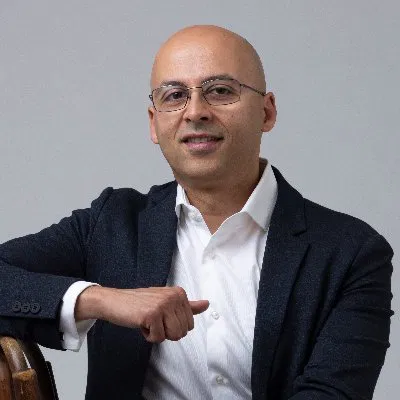
Welcome back to Bankless, where we explore the frontier of internet money and finance. In this episode, we are thrilled to host Omid Malekan, a professor at Columbia Business School, who has been teaching crypto since 2019 and authored the insightful book, Re-Architecting Trust. Malekan is renowned for simplifying complex crypto topics, earning him the title of “Explainer in Chief” in the blockchain space.
What’s Happening in Crypto Right Now?
With so many questions surrounding the world of blockchain—Why is Ethereum’s price low? Are Ethereum Layer 2s parasitic? What’s the true value accrual for ETH?—this episode is packed with timely and critical discussions. Malekan helps us break down these pressing issues, providing clarity and perspective on the evolving landscape of blockchain technology.
Why Ethereum’s Price Is Low:
One of the episode’s key discussions revolves around the current state of Ethereum’s price and its perceived sluggish growth. Malekan sheds light on the factors behind this trend, offering insights into the long-term value proposition of Ethereum and whether ETH is positioned as a high-quality liquid asset (HQLA) in the evolving financial ecosystem.
Layer 2 Solutions: Parasitic or Supportive?
Layer 2 solutions like Optimism and Arbitrum are central to the Ethereum scaling debate, but are they actually benefiting Ethereum or siphoning value away from the main chain? Malekan tackles the argument that L2s might be parasitic, explaining how they contribute to or detract from Ethereum’s long-term sustainability.
What Blockchains Are Good For: A Deep Dive into Value and Purpose
Malekan provides a clear explanation of what blockchains are fundamentally designed to do, particularly in relation to trust, verifiability, and integrity. In an era where trust in traditional institutions is eroding, blockchain offers a new paradigm of digital scarcity, property rights, and bearer assets. Malekan explains how these concepts apply to both crypto natives and those from the world of traditional finance (TradFi), helping to bridge the gap between these two worlds.
What Makes a Good Blockchain?
We explore Malekan’s criteria for evaluating a blockchain, asking: What actually makes a good blockchain good? Whether you’re a TradFi veteran or a newcomer to the crypto world, understanding the qualities that define a successful blockchain is crucial. Omid explains these qualities using real-world examples from Bitcoin, Ethereum, and the ongoing battle of Layer 1 networks.
Blockchain Wars: ETH vs. SOL and the Alt-L1 Landscape
Another hot topic is the ongoing competition between Layer 1 blockchains, notably Ethereum and Solana. Dubbed the “Blockchain Wars,” we discuss the strengths and weaknesses of these networks. Ethereum is widely seen as the home of decentralized finance (DeFi) and programmable money, while Solana is emerging as a high-speed competitor, positioning itself as the decentralized Nasdaq. Malekan gives his expert take on these rivalries, offering insight into whether Solana is truly a threat to Ethereum’s dominance.
TradFi Lessons for Crypto
Despite crypto’s innovative potential, Malekan emphasizes that there are valuable lessons to be learned from the traditional financial world. He highlights the generations of wisdom baked into TradFi systems and argues that, while crypto has made significant strides, the builders and leaders in the crypto space must continue learning from the old guard.
Generational Shifts and the Future of Crypto Adoption
As we zoom out to the broader socio-economic context, Malekan discusses how generational shifts are shaping the future of crypto adoption. While older generations (boomers) may resist these innovations, younger generations (zoomers) are increasingly adopting and embracing crypto. What does this mean for the future of blockchain technology, and how will these generational dynamics shape the path forward?
The Endgame for Ethereum and Crypto
Finally, we tackle one of the most pressing questions in the crypto space: What’s the endgame for Ethereum and crypto as a whole? Malekan shares his thoughts on what the future holds for Ethereum, including how it fits into the broader macroeconomic picture. We also dive into his views on the evolution of the financial system and how crypto can coexist with, and even transform, the traditional world of finance.
Transcript
well the only way to do it is to own e welcome to bankless where we explore the frontier of Internet money and internet Finance this is Ryan Johan Adams I'm here with David Hoffman and we're here to help you become more bankless calm down ethereum is fine this basically the message of Our Guest today he's Professor Omid malakan formerly he worked in trafi he's a current professor at Columbia and he teaches courses on crypto basically I'm sure a number of
his students will be tuning into this episode today David there were a number of questions we wanted to ask the professor today because his um Twitter timeline is just like fantastic full of lots of hot takes and I think you both you and I detected that um he sort of shared many of the the bankless fundamental take so we want to ask him current event type questions like why has eth been underperforming this cycle why is the price so low what's the value of cruel properties for uh ether the asset are ethereum layer 2's parasitic all of these questions are in kind of
the current meta of crypto at the time but in order to get there we had to ask him fundamental questions like what are blockchains even good for like why do they exist what does he think about Bitcoin what does he think about ethereum is one chains block space the same as another chains block space are these all kind of Commodities and he was able to answer these questions with a depth that I think few guests on Bank List have been able to answer them I think Omid has approached some of the answers about like you know why blockchain why crypto what are we doing here from you know his own first principles perspectives and he also
draws lessons from trafi of where he once worked uh to point towards crypto and like oh well this is how trafi Works uh this is how we built the trafi system understanding those patterns will allude to some answers about like how we are going to build crypto systems uh Omid is like very well-versed in like deep nuances of crypto while also being able to kind of extend those things coming from trafi uh we get into the conversation of what a high quality liquid asset is and whether or not that that is money uh that was a pretty fun
conversation as well as all the execution layers that we see around the cryptospace and how that relates to the other execution layers that came before them like Visa uh and wire transfers and all these parallels that we have so it's always very refreshing to get a professors take who is it's his job to like get down to the basement of things and explain these things from first principles because I'm I'm assuming his students are always asking but why but why but why and when you are you know faced with a thousand uh graduates
always asking you why you learn to explain things in a pretty effective way and you learn things pretty deeply and so that's kind of the knowledge and value that we got out of Omid today one of my favorite uh bull cases for ether the asset actually in this episode one of my favorite that uh I don't think Bank list listeners have heard yet although you've heard David and I talk about ether many times this term that you were just mentioning David high quality liquid asset so stay tuned for that near the end Bank Nation super excited to introduce you to Omid Mikan professor at Columbia business school uh
where he has been lecturing on crypto since 2019 he's written multiple books on crypto including rearching trust which uh EF researcher denr donrad says is one of his favorite books about crypto blockchain Tech and ethereum amid welcome to bankless thanks guys uh very excited to be here amid uh we you stumbled on our radar M and Ryan's radar from some Banger tweets that we enjoyed uh and also your books that that you've written but I I think uh my introduction to you can only do so much Justice to to
who you are maybe you can kind of take the rein here uh and just illuminate a little bit more about yourself what you do and kind of your your perch in the crypto space sure my uh very much self-appointed title is as the explainer and chief of crypto so the the thing I enjoy doing most is grappling with all of the uh complicated exciting issues on the frontier as we head West like you guys like to say and then digesting it processing it and communicating it to everything from people in crypto to normies um I was almost forcibly
introduced to bitcoin by a friend 10 years ago who asked me to help her buy some um and and she actually ended up also participating on the in the ethereum Ico so my claim to fame is I actually went through the process of doing that but did not invest any of my own money um it's okay the experience was well worth it people forget fun things like the fact that your private key was emailed to you um
wow yeah um but uh I I have a Trad five background like in a past life I worked in various roles on Wall Street I was a Trader did a bunch of other things and what mesmerized me about crypto from day one was just how fundamentally different it was and even going back to that first Bitcoin transaction to a wallet on my computer where I literally had no idea what I was doing I think I just followed the YouTube tutorial but I had a sense I was like this is crazy and different and
I had this intuition in the back of my mind that in the future this technology uh and way of doing things way of building trust will one day impact far far more than what Bitcoin was doing so then with when ethereum came out and smart contracts and tokens and Defi and everything that Vision has sort of been real ized um I've been working uh professionally in the industry for something like seven years so you mentioned I wrote a couple of books um I worked as a inhouse crypto
expert at City Ventures which is a part of City Bank for like three and a half years uh and that was an awesome experience I actually think everyone in crypto would be really well served if they spend some time in a trafi context for two reasons one if you want to disrupt something and replace it you are going to be a lot more effective if you do it from a place of knowing and understanding uh as opposed to a place of like we're just going to tear it down and build something better um the other thing is there's a lot that trafi
actually gets right and a lot of knowledge and experience that's beneficial to us as we're trying to build a decentralized open permissionless Financial system um so I did that and now other than teaching and various other uh academic Pursuits um I do Consulting uh almost like randomly with ideas and projects that come my way for crypto firms law firms trade groups um Trad five firms that are still
trying to wrap their arm around this thing and usually my area of expertise is that sort of like the intersection of the two how do we take this brand new frontier um and combine it with existing knowledge to just build something that's better the vent diagram of people who were in trafi in in like the old world but then that were also early to crypto I think it's actually really small uh I think trafi people tend to need to have this extra step of getting into crypto which is like unlearning a bunch of things
before they can then learn crypto and so I I want to kind of just like double tap on that part of your experience being inside of the trafi system before crypto was even built out in the world of infrastructure and payments and Defi and all this stuff just like early Bitcoin transactions you know the ethereum Ico can you just kind of like what did you did you have like an aha moment or just something that clicked in the early days of crypto uh that you can kind of share and illuminate just to kind of uh further illustrate your perspective here absolutely it was actually I can tell
you I don't remember the exact date but I can tell you the moment which is that um my friend was like I want to buy a couple hundred worth of bitcoin this is when Bitcoin was worth like a couple hundred bucks so I don't know one or two Bitcoins and I didn't know anything about it in fact before this my understanding of crypto was sort of like what a lot of the no coiners say today which is like it's weird internet money that only appeals to drug dealers but she was like please help and I was like okay and I opened the coinbase account funded it with her bank account bought
the Bitcoin and at this point I was like very disappointed I was like this is like you know coinbase interface Circa 20134 I'm like this is just a really poor version of what I was using in trafi a decade earlier when I was a professional Futures Trader um but then I was literally like okay well what does one do with a Bitcoin so I probably Googled what do you do with a Bitcoin and this was also around the time of Mount G so the one thing that came up is like don't keep your coins on exchanges you got to
transfer it to your own wallet which I like I said I followed a tutorial I had no idea what I was doing I don't have a technical background I knew nothing about cryptography I'll never forget when I first went to withdraw from coinbase and it was like enter your Bitcoin address I was like what's an address is like Omid at bitcoin.com or something and then when I looked it up and I saw that it's you know the the alpha numeric string I'm like what this is ridiculous that's never going to work like people are not going to use this um
but I withdrew the coins to some old original Bitcoin wallet on my desktop and then after you whatever number of minutes it says your coins have arrived and this actually blew my mind because even though I didn't know much about it what I knew was all the ways in which I could screw up like just what IID read I was like man if I put in the wrong address Bitcoin gone forever if I didn't back up my wallet I didn't even know what a
private key was I just knew like you have to back it up coin's Gone Forever um and at the same time I'm like oh but keep it on the exchange exchange gets hacked coins gone forever and put together something started in the clicking clicking in the back of my mind when I was like wait nothing I've ever used in Tri fight ever works like this you just don't worry like if you have a brokerage account a bank account you don't worry about this kind of thing and back then a lot of people would say oh look at this stupid crypto thing like it can be lost it can
be stolen but somewhere in The Recess of of my brain was this idea that wait isn't that true for every historical store of value not even store of value of anything that has value right like it's true for gold it's true for a rare piece of art it's true for a $1 bill and in all those contexts the fact that it can be lost or stolen is not a bug it's a feature because that's what makes it scarce even though I didn't know how any
of this blockchain stuff worked I was like this is the first digital thing that has physical properties and in fact I think in my first book came out like 2018 that's how I describe blockchain it's a technology that gives physical properties to digital items and now contrast that with my experience of trafi going back to your question which is like you kind of know you never own anything you have accounts you have balances but you just know that there's like eight intermediaries between you
and the actual asset and uh the worst case scenario I like the 2008 financial crisis where the intermediaries blow up and your asset just goes away but even on any given day there's censorship and even when there isn't censorship those intermediaries have so much power over all of us now they're regulations and laws about what they can do but you know they can raise prices and decide who they want to serve and who they don't which happens to be the opting line of the Bitcoin white paper um so that was
my Genesis I didn't even even have the vocabulary to call it digital scarcity but I was like that's cool and then as far as infrastructure is concerned whatever's happening with this Bitcoin thing and later ethereum is unlike how trafi works and then I developed this thesis that in the future this is going to impact everything and you know 10 years later I'd say we're well on our way IED this is um very resonant with I think how David and I came into crypto and like what we see as the value proposition of this space and uh I I
love that you call yourself kind of like an explainer and chief because I think you you maybe have a way of explaining this to trafi you also obviously have your students you explain it to you know there's a new cohort to kind of explain all of this too and that is every single cycle that we see in crypto every single like vintage year we have a new crop of uh crypto people who come to the space for various reasons and like you can almost see the the Vintage year of every single person that comes into crypto based on why they came their belief
system is and so for like the first cyclers for maybe the the crypto youngsters out there I think a lot of them actually haven't heard the story of why crypto is important I mean maybe they haven't even heard the case that you just gave of like bare instrument uh digital scarcity um property rights and so let let's start with maybe the the explainer Omi do you use your powers of explainer and chief if you will and like maybe Target not trafi yet like um but
maybe Target the the new crypto natives who have they just purchased some meme token or they're like using a wallet for the first time can you get to the fundamentals of what blockchains actually do like if you were to explain this maybe the perspective of trust is kind of your book verifiability Integrity but how do you explain this to somebody who's new to crypto they're curious about it but they just don't have the you know like the the 10 years in the space and don't have these the these values really reinforced so like what is blockchain continuing from what
I said that blockchain is a technology that gives physical properties to digital or virtual items uh let's break that down so for like the history of humanity people have needed things that are considered valuable uh either they're valuable either because they're productive like they're commodity uh or they're valuable because they communicate status uh like jewelry but that's just foundational everybody can relate to that and until very recently
um the vast majority of things that were valuable were physical and when something's physical it has inherent scarcity now obviously like you know gold is more scarce than aluminum but uh even like aluminum has inherent scarcity because if I have aluminum and I give it to you I don't have aluminum anymore like we get caught up in crypto with the technical jargon of the double spend problem but physical items don't have a double spend problem you can't just make more of them you know unless you're like
in the world of Star Trek or something and that's been foundational and then with the scarcity usually comes fundamental property rights and I'm not even talking about we have property rights like what's enshrined in the legal system but you know that's saying possession is 9/10 of the law right what that means is whoever possesses something is the owner to begin with and then there are laws as to things like well we need Deeds for property somebody could come and steal your aluminum or jewelry and then there's a way that you
can go get the state to force them to give it back but these aren't even things that economists talked about by the way because this is just like how life Works how the world works but what's happened in the last century even before the internet was that more and more of our assets have become things that are virtual um so if you think about like Capital markets like stocks and bonds right they don't they no longer they were once actually in many places Bearer
instruments like you had a certificate that said this is a stock uh and that was it whoever owned the stock was the rightful owner there was no database or registry anywhere um but for whether it's Capital markets if you think about intellectual property like Brands and patents um and then like Fast Forward all the way to the digital age where you have your followers on social media or the items that your character has collected in a uh uh MMO video game
these are all things that are valuable nobody questions that but the problem is that our system of preserving scarcity and property rights don't work in that context right because we no longer have like physical atoms that you can't just copy we now have bits of data and data is the least scarce thing on the Planet data is unbelievably easy to copy to edit to delete to destroy whatever so what we did until January 3rd 2009 as
the newspaper cover indicates is like we took the old ways of trying to preserve scarcity and property rights and applied them to Virtual items so we had like Banks and brokerages and we had regulators and then more recently we have social media corporations we have video game corporations and it's just not working right it's like we've taken the old way of doing things and thrown new sours of value into it to me the
fundamental appeal of blockchain and crypto is that we can sort of go back to the way things were and my Epiphany when I did that first Bitcoin transaction was that this fear that I have of something going wrong is good because it means that this asset is scarce and it means that there are certain inherent property rights that cannot be violated right the downside of that is of course if I screw up I can't just like a credit card call the company and say hey can you send me more
Bitcoins um but that's how value has always worked so putting it all together I think blockchain is just a better way to build trust in a digital economy and even though it's underneath the hood extremely complicated the net result is elegant I have a wallet like my physical wallet it has Assets in them and I control their fate that's so fascinating I I I've long sort of felt that but I don't think I've ever put that into
words like when you send your first Bitcoin transaction or an ethereum transaction that fear that you get you know that that time where you're like checking then double-checking than than triple checking the transaction because you know if you're going to if if send this transaction it's irreversible you know I I used to I used to play more games than I play now um it was a RPG game called uh Diablo uh Diablo I specifically you could there was a mode setting like regularly normally when you play Diablo you sort of you die and then
you respawn somewhere and you're a few levels back but you kind of like work your way back to where you were right uh you could also set up Diablo for something called hardcore mode okay and in hardcore mode when your character that you've leveled up you spent hours grinding these dungeons to get to kind of like level 30 level level you know 40 whatever your Necromancer and let's say they die in hardcore mode they don't come back they're gone it's over and what I what I found in when I played
Diablo I on like hardcore mode is like the game style was like very different everyone played like much more cautiously the stakes were higher it all felt a lot more real and I think kind of what what you're saying it's just like you know that it's decentralized you know that it's bankless you know that there's actual dig digital scarcity because the stakes are high if you don't feel that uh fear like when I go pay with my you credit card a coffee I'm not terrified somebody's going to take my money it's all irreversible it's like
whatever but like you know that it's real because you feel that level of fear I don't think I've ever thought about it that way but that's like a perfect articulation thank you and the thing to remember is that I'm not arguing for we move to a world where all assets are bearer assets and everyone does self- custody I actually this is one of the things I disagree with a lot of like the Bitcoin Maxis if you look at going back to the history of the economy even in societies where people relied on Bearer instruments like gold coins they would
still enlist the help of professionals to help them protect it um it's just like common sense you don't want to be walking around uh with all of your like net worth in your pocket because then someone has an incentive to murder you and take it um but to me what's special about crypto is that optionality the fundamental default state is Bearer assets that people own and control and access a sensorship resistant but if you or more likely like
if you're a big Corporation or institution or something you want to hire a custodian to help you protect that asset you can and I would advise you should because again like if uh we all want to be in the world where like every pension fund owns billions of dollars worth of crypto but what we don't want is a world where the CFO of a pension fund is walking around with like a ledger Nano in his pocket holding all the funds assets but the optionality is really the special source of crypto because not only does it mean that you
know if when you want um self- Sovereign ownership you can have it but it means the service providers have to fear you opting out so I think the future of crypto will actually in some ways look a lot like trafi we'll have Banks we'll have custodians we'll have large companies like a coinbase whose job it is is to help people protect their assets but they're going to be so much better than the trafi equivalent because we will always have the optionality to say you know what forget it I'm going to push a button take my assets back and give them
to your competitor I do really appreciate this um idea that the trafi system is trying to virtualize a lot of the old world assets like in the modern day and age the logic of our Wells Fargo bank account the logic of Visa all kind of like collapses back down to like this first principal notion is that somebody put their gold in a bank somewhere in order to trust the bank and then like the layers of intermediaries uh were all created to make that an easier process and Abstract
away all the complication uh like the a bank note I think is a uh the first abstract the first virtualization of something uh still virtualization in like the real tangible world like it's still a physical object uh but that's just like the first step to make it virtualized on the internet for later when we would invent the internet and a blockchain is just wiping the Slate clean of all of that layers of inter intermediaries where I think uh TB Nim TB would love to tell us about all the different like longtail risks that come
with like layers and layers of intermediaries to allow for the virtualization of value to show up on the Internet uh and then the blockchain just allows us to kind of just like clean slate uh and put the virtualization natively into the internet where we all exist in today's age anyways using that perspective Omid I want to kind of pick your brain about like how you think a blockchain ought to be designed uh using uh this frame of reference what makes a good blockchain a good blockchain uh if this is what blockchains are for if this is the you
know True North for what blockchains do how should we think about good blockchain architecture good blockchain architecture starts with fundamentally valuing decentralization and I don't mean that as some kind of like ideological Rah corporations or governments are bad I think both will play a major role in the blockchain world in the future but that's literally the only thing that makes the blockchain special and we take it for granted that in our world we make major sacrifices to achieve it right we
sacrifices in terms of performance the user experience complexity but if we're going to do that then we should really do it right otherwise please please for the love of God just use a database we have great databases they're unbelievably efficient fast no cryptographic bloat um but I think a good blockchain system has the basic properties and this is actually what my class is a lot about it's about these just these first principles like it has to be permissionless participation in
running it has to be open um it has to be transparent uh it has to be distributed it has to be public um and as far as the performative features of it just to like drill it down the three things it must have is what we call safety but that just means it protects everyone's property rights what we call liveness but that just means that it's resilient and just not only does it never go down nobody has the power to take it down even if they wanted to and
then what we call censorship resistance which is just it's open to anyone who's willing to play by the rules of the system okay so that's how you would characterize uh decentralization so I want to ask you you know we I was talking earlier about this this new generation of of crypto users and like every every year you get sort of a new generation yeah you sometimes dve and I call the kids right you know so the kids let's talk about them for a minute what's something you think the kids get wrong about cryp something that they don't appreciate maybe this new
generation of of users that's using just like we could scale it to Infinity TPS uh what do you think they get wrong what do you think they're missing can I first start by talking about what the kids get right if that's okay sure just because so in my class which they're not kids but they're on the younger side I've every year I've done this I've asked them before class starts they have to write a paragraph on why they're taking the class and like and what's the class called I mean it's called an uction to blockchain and cryptocurrencies a a very
Bland name that's designed to mask just how awesome and exciting what's the demand for that class like very high yeah uh and how many how many students in the class at once uh just the limit the school sets is 75 students uh it's has to do with classroom size and and more often than not it's close to maxed out and there's a weit list and the reason why it's really interesting so I start started doing this in 2019 there was some interest but like I'd say a third of the
students who when they filled out the survey they were like I think this is all a scam uh and that's why I want to take this class which by the way to this day those are my favorite kind of students because I think it's the height of intellectual Integrity if you think it's a scam but you decide to go through the process of taking a graduate level course there are people who would take the class and I would ask them at the end I'd be like do you still think at the end no one ever said at a scam but there were people who said I still don't believe in it and I love them that like informed Skeptics are my favorite people
I like them a lot more than uninformed Believers um but anyway what happens now is that the typical student who takes my class does so because they think this is inevitable and they think I teach at a business school it's going to be a part of the business World um I mean some of them actually want to go and work in crypto which is very exciting a bunch of my former students currently do which is deeply rewarding but for the average Columbia business school MBA student they say I want to go into VC and I
think it's important to know how to do web 3 VC uh I want to go into finance and Banking and I think that tokenization is going to be a big part of finance and Banking and the other thing I've noticed is this is the kids thing we're now seeing the generation that grew up on the Internet more or less the question of like digital assets is not a question to the them to them it's like of course they're going to be digital assets and of course we're going to have to have ways that protect people
and Ryan a lot of them like they come from the world of playing video games and if you spend a lot of time as a gamer you might not be able to intellectualize it the way we do but you know that you spend a lot of time energy and money collecting assets but that there's some opaque database behind it and what if the gaming company goes bankrupt assets gone what if they decide that your country people of your country are now sanctioned and can't play anymore assets gone so that's what the kids get right um to go back to question I think
the biggest misnomer of the current crop of people coming into crypto is that they think of layer one blockchains as just networks and they're like oh it's a network and the network needs to be really really fast and the network needs to have like insane throughput and of course the net network is going to be going to run out of like the best most connected data centers and have the most sophisticated Hardware I think that's a very dangerous design Philosophy for any blockchain okay this is goes to a tweet
I want you to get into from just your recent timeline which I I just love um you just like shoot some bangers out here so you said this in the years to come the greatest false belief that'll be invalidated is the belief that all onchain settlement is equal and fungible Bitcoin ethereum salana high performance chains with heavy concentration etc etc if you believe all of these things are fungible you don't believe in crypto so what you're getting there we're using words like fungibility but by fundability you mean interchangeability I think what you're basically saying is
hey not all block space is created equal here maybe that goes to what you were saying the sort of the part that the kids get wrong is they think that oh yeah let's just like make it faster and if we can make it faster then it's obviously better than the slower thing because it's just network but I think what you're saying here is hold on a second not all blockchains are created equal because of your framing of of property rights and settlement guarantees can you talk about that more we live in a world of tradeoffs going back to like the the difficulty and
complexity of building these systems and I'm not even going to we can get into it later but like governance is a whole other R of moral but um I think a Bitcoin block is the most secure thing on the internet by an order of magnitude um you know Bitcoin I've been accused of being an ethereum axi but Bitcoin is my first love and you know you never forget your first love even when you start dating other people um but Bitcoin just by virtue of being proof of work by virtue of being like

Ryan Sean Adams
Crypto investor going bankless.


