55 - Welcome To Bankless | 2021 Edition
What Does It Mean To Go Bankless? What Is DeFi? How Do I Get started?
Up next
All episodes DeFi
DeFi
Alpha Leak | Connext Founder & Project Lead Arjun Bhuptani
 01:08:57
DeFi
01:08:57
DeFi
📺 SotN #36: DeFi Crypto Index For Financial Advisors | Bitwise CIO Matt Hougan
 01:31:20
DeFi
01:31:20
DeFi
54 - Why DeFi is the Future | Mark Cuban
 00:32:07
Podcast Premium
00:32:07
Podcast Premium
EXCLUSIVE: Debrief | Why DeFi is the Future with Mark Cuban
 01:09:28
DeFi
01:09:28
DeFi
EXCLUSIVE: Balancer 🤝 Aave Partnership Chat | Stani Kulechov, Fernando Martenelli, and Dan Elitzer
 01:25:35
News
01:25:35
News
📺 ROLLUP: BIG DIP | NFT Culture | Coinbase IPO | Ethereum Jobs
 01:04:12
DeFi
01:04:12
DeFi
📺 AMA with Hart Lambur From UMA Protocol
 01:00:44
NFTs
01:00:44
NFTs
📺 SotN #35: NFT MANIA! Are NFTs the Future of Art? Nifty Gateway Founders Griffin and Duncan
Inside the episode
This Week’s Episode marks the 1-year Anniversary of the Bankless Podcast. We sum up the show’s first nine episodes in this single canonical mega-podcast, updating our answers to the big questions – What Does It Mean To Go Bankless? What Is DeFi? How Do I Get started?
TIMESTAMPS
I. Why Are We Going Bankless? (0:00 - 29:29)
- Need for Self-Sovereign Money
- Problems in Legacy Finance
II. How Crypto Fixes Money (29:30 - 42:11)
- Protocols are Credibly Neutral
- An Accessible Parallel Financial System
III. What Does This Look Like? (42:12 - 1:14:11)
- What is Money?
- Cryptography & Your Keys
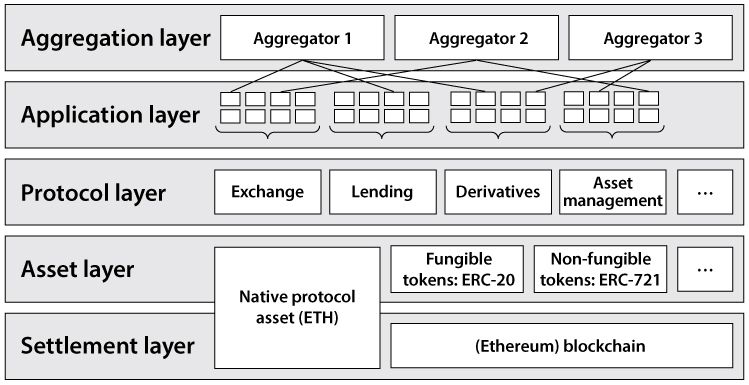
IV. The Bankless Money Stack (1:14:12 - 2:11:49)
- Settlement Layer
- Asset Layer
- Protocol Layer
- Application Layer
- Aggregation Layer
V. Why Crypto Is Inevitable (2:11:50 - 2:24:59)
- Game Theory & Gresham’s Law
- The Triple Point Asset
VI. How To Get Started (2:25:00 - 2:33:22)
- Get Crypto Money
- Take Self-Custody
- Start Using DeFi
VII. The Journey West (2:33:22 - 3:00:01)
- Once-In-A-Lifetime Multi-Decades Event
- The Bankless Journey is Ambitious, Risky, and Highly Rewarding
RESOURCES
- 🌅 Field Guide 1: Going Bankless Starter Guide
- 🔴 Field Guide 2: Using the Bankless Badge
- 🛠️ Field Guide 3: Tactics & Tools Index
- 👨👩👧👦 Bankless Socials: Twitter | Instagram | Reddit | TikTok | Facebook
Transcript
welcome to bankless where we explore the frontier internet money and internet finance this is how to get started how to get better and how to front run the opportunity this is ryan sean adams i'm here with david hoffman and we're here to help you become more bankless david i'm really excited about this episode first things first happy birthday to bankless happy birthday to bankless it has been a fantastic year of the banquets podcast and this is the one year anniversary
episode and so what we are doing is we're going back all the way to the very beginning and redoing the welcome to bankless podcast episode but we're doing it with a year of education a year of better precision and a year of just more overall information about what it means to go bankless and the tools at our disposal to do so i think this is going to be a great recreation of what i think was already a fantastic episode but it's important to keep these things updated because the cryptocurrency industry moves so
incredibly fast and both you and i ryan are one year smarter and one year in crypto is a lifetime outside of crypto so this episode's gonna be really fun yeah david you know in order to prepare for this i went through and i listened to a bunch of our early episodes like the first eight or so episodes and you know like we were we were just getting started on this so there were some rough patches but i was also amazed at how well it held up i was amazed and impressed so guys our purpose with this episode is to condense those first eight episodes or so into one so
this is a what is bankless episode that you can send your friends basically uh we're going to try to distill and summarize the bankless program the introduction uh like this is the the single episode you can you can send your friends on the 101 of crypto the 101 of of defy and the 101 of the bankless program but david i'm a little scared because this is somewhat like eating an elephant dude like there's so much to cover so the art here is going to be can we condense it
well enough and give everyone kind of a a drive-by preview of what this whole crypto thing is all about you think we're up for it absolutely and i think that's something that we have specifically gotten better at over the last year and so for the the bankless veterans out there the the people that have gone through the program and are not noobs i think this will still be valuable to you because ryan and i endlessly try and sharpen our speech and sharpen our models and sharpen our way to explain things and i
think that's why that's definitely why we want to redo the the first episode is because we've gotten better at explaining things and that and i think for the veterans out there who are also on the journey of learning how to explain this industry this might be a good episode to just sharpen your own sticks as to the correct mental models that land really well with crypto newbies all right excellent well let's get into it there that the other benefit of course is now we are doing things on video so you can check this out on youtube as well as on the podcast and before we begin with the episode we want
to thank the fantastic sponsors who made this episode possible ave is a borrowing and lending protocol on ethereum and just recently released ave version 2 which has a ton of cool new features that makes using ave even more powerful with ave you can leverage the full power of defy money legos yield and composability all in one application on ave there are a ton of assets that you can deposit in order to gain yield and all of those same assets can also be
borrowed from the protocol if you have deposited collateral here you can see me getting a 200 usdc loan against my portfolio of a number of different defy tokens and eth i'll choose a variable interest rate because it's a lower rate than the stable interest rate option but i could choose the stable interest rate option if i wanted to lock that interest rate in permanently one of ave's v2 features is the ability to swap collateral without having to withdraw your assets trade them on unit swap and then deposit them back into ave ave does all of this for you all in one seamless
transaction so you don't have to repay loans in order to change the collateral you have backing them check out the power of ave at ave dot com that's aave.com gemini is the world's most trusted cryptocurrency exchange i've been a customer of gemiini since i first got into crypto in 2017 and it's been my main exchange of choice to make my crypto buys and sells gemini is available in all 50 states and in over 50 countries worldwide and on gemini there are markets for over 30 various different crypto assets including many
of the hot defy tokens and it's one of the few exchanges that has liquid dye markets gemini just launched their earn program where you can earn up to 7.4 interest on 26 various crypto assets if you're tired of paying fees in defy or you don't want to worry about defy exploits but you still want to earn interest on your crypto assets gemini iron is the product for you another product i'm stoked to get my hands on is the gemini crypto back credit card which gives you three percent cash back on all of your purchases but paid to you in your preferred crypto asset when i get
my gemini credit card i'm going to make sure that i get my cash back in east so whenever i buy something i get a little bit of eath bonus back to me at the same time you can open up a free account in under three minutes at gemini.com go bank list and if you trade more than 100 within the first 30 days after sign up you'll be gifted a free 15 bitcoin bonus check them out at gemini.com go bankless all right david let's get right into it why are we going bankless in the first place what is this whole crypto thing
why are we on this bankless journey the the cryptocurrency industry starting with bitcoin and expanding into ethereum is inherently based on cryptography and cryptography is inherently putting power back into the hands of the individual the entire cryptocurrency revolution is based on this fact cryptography puts power into the hands of the individual user this is the creation of public private key cryptography where if you are the owner of a private key and you
are the complete uh you have complete control over your domain and in the world of crypto your domain is your money and on ethereum it's also your finances right and so we are going bankless because of a number of different reasons it's inevitable we think and we're going to get into why it's inevitable in the future but first and foremost we're going bankless because money and personal finances and personal wealth should be something that you are in 100 control over at all times this is about personal sovereignty this
is about personal agency and not having anybody or like controlling your personal financial lives when you go to work every single day and you toil for eight hours a day 10 hours a day whatever if you don't have maximum control over the the storing of your wealth and the management over your money you are giving up some of your time your life's energies to somebody else and so with crypto tools that eight hours a day that you work to to generate savings
gets retained because you have these personal sovereign financial tools like bitcoin like ethereum yeah cryptography and economics or the magic that make this possible but the end result is this is about building a self-sovereign money system where we can all have less dependence on the banks that control our lives and we can control our own lives this is a this is really a journey towards towards freedom david let's talk about the the banks that control our
lives i think people are vaguely aware of this you know do you remember back in 2008 the occupy wall street sort of movement this is this has generated some anti-anti-bank kind of pushback but like what are the two groups of banks that control our lives let's first talk about the the first group which is the central banks what are the central banks david yeah the central banks are extensions out of nation states right so the country you live in likely has a central bank and that central bank manages the
currency it manages the money uh and the the ability to manage money is really really powerful and it's something that the nation state wants to keep for itself and so it employs a central bank to manage the currency of the world uh the most powerful central bank in the world is the federal reserve the bank that controls the dollar and so the central bank the federal reserve determines the value of a dollar and the central bank has certain mandates it wants full employment and it wants price
stability in the dollar and it leverages different levers dials tweet it tweaks some some metrics to make sure that it can achieve its mandates of full employment and a stable dollar there are some issues with this because human management over money is an inherently subjective exercise and that subjectivity can be pushed and pulled by interests uh people are have certain interests in the money the management of the money being in one particular way
and that can be corrupted over time uh in the in the bankless world on the bankless nation we believe that money is a public good that no one can have control over and so the central banks are one of the the top you know the man behind the curtains that's controlling our lives by determining what the value of our money is and i think that a bankless world where uh money is an opt-in system where money is defined by protocols is a much more sustainable de-politicized future i believe money should be de-politicized
and the central banks are inherently a political institution to have political management over currency and i i personally think that's bad right so um that is one way that central banks exert control they're really masters of the financial world and they they are at the base layer which is kind of the the the m0 the base money layer so if you notice why like financial analysts on tv they'll constantly talk about what the fed share said it's because what the fed
share is says is so important for everything like bonds stocks asset values home values everything that affects your financial universe is is ultimately dictated by a very small group of people who are supposed to be apolitical but they are they are definitely politically influenced at the fed so the central banks are are one group certainly at the base layer of all of this that uh that controls our lives some sometimes it's not all bad either um so there are some benefits and we
could get into a conversation around austrian economics versus keynesian economics if you're interested in that check out our second episode that we ever published in bankless we'll include a link in the show notes but david let's talk about this term because before we leave the conversation of uh central banks i think we have to talk about the the cantalon effect some people call this the the cantillian uh effect what is the cantelon effect why is it bad yeah so with central banks the central banks have immense power and with
immense power comes immense responsibility they have responsibility over the management of the money everything with value is downstream of this and the cantelon effect is this unfortunate side effect that results from the existence of the right to issue currency and what the what a central bank is is an institution that has the right to issue a currency they're all all the the only legal dollars out there came out of the central bank everything else is counterfeit right only the
central bank has the authority and the legitimacy to issue currency and as a result of this uh ability to issue currency when the central bank does issue currency it has to get injected into the economy somewhere it can't just you there's one thing to print money but you actually have to put it in the economy and when you put money into the economy somewhere the places that you put that money into are are inflated in value because that's what money is right uh and so the cantelon effect describes
the this unfortunate consequence of money printing where the places of monetary injection into the economy become inflated and and overvalued because that money hasn't yet diffused out to the rest of the economy money takes time to diffuse it takes time to get from point a to point b and so when the federal reserve injects money into one specific spot that one specific spot benefits it has very strong tailwinds because it gets access to new money before the rest of the whole entire
global economy can uh integrate that new level of money right and so if there's twice as many dollars out there because we just printed a bunch but all all of that new printing goes into one specific spot whether it's the bond market equities market housing markets those markets will have increased value versus all other parts of the economy and this is called the cantillo cantillion effect people and institutions and companies that are proximate to the money printer where the the approximate to the federal
reserve they benefit they have tailwinds on the valuation of their assets and everything about um everything about what they do because they are close to where the money gets printed yeah absolutely and one effect i think that we've seen from this is massive wealth inequality so uh basically the us and the fiat system has been on an experiment since the 1970s when we got off of the gold standard and uh we've slowly kind of ratchet
ratcheted up the amount of money printing that we're doing at the central bank layer and the net effect of this you know some people think that when the fed prints money that instantly causes inflation in the prices of things like you know uh household goods or things like food items things you might buy at a store the consumer price index that's that's one measure of inflation uh cpi but where this money printing has has actually gone over the last 30 years or so and in an accelerated way over the
last 10 years and in fact we've just seen it over the past years is it's gone to asset prices you'll notice that wages have largely stayed stagnant since the 1970s but asset prices have accelerated massively and even in in 2020 where um you know most people had a very difficult year from a from a wages perspective uh from a salary perspective small businesses shutting down due to coronavirus we saw record stock market prices you
know the stock market up 44 and so uh people ask where where's the inflation the inflation has gone to the asset prices and the the tragedy of it is um wealthy people are the primary owners of of assets so many in our world today whether you live in the us you live in europe wherever you live in the in the world many live paycheck to paycheck they don't have much money to to store away uh in the form of wealth but but the wealthy you know 25 or so of the country
that can afford to buy stocks for instance uh they they store their their value and their money in other places they store it in stocks they store in bonds they store it in property and those assets have just massively increased in value well things like wages haven't that's an outcome of the cantalon effect it is exacerbated wealth inequality due to the way we manage uh base money so that is one net effect of the central banks and it affects everything in your life like it affects you know um the political landscape and
this rise in populism that you've seen and the reason why everyone's angry at each other is because they're focused on this this you know relatively fixed pie and divvying that up and there's massive wealth inequality so this is what we mean by central bank monetary policy controlling our lives these are the ways they control it and by the way these are not necessarily evil people they are caught in the system uh just like the rest of us and they are making the best decisions that they can make but not
having a credibly neutral monetary system having that the the dials on money printing in the hands of the few uh has led to this sort of outcome parsing apart inflation i think is really really important because when people when people talk about inflation uh the typical canonical uh way that people talk about inflation is from consumer price index then those are your consumables your foods uh the the cost of filling up your car car prices housing prices uh and then there's there's other kinds of inflation
there's also asset price inflation which is what you just talked about and then there's also monetary base inflation so there's three different types of inflation here and when we inflate the monetary base we tend to inflate assets and because of that monetary base inflation which is quote unquote the the money printer go bur mean when we print money the monetary base increases and that tends to be reflected in asset prices and not in consumer price in the in the consumer price index and what that means is and because there's a
large amount of just general financial illiteracy a lot of people don't understand that you know just because inflation in consumer prices hasn't gone up doesn't mean that they're that they have kept up with inflation inflation is this very broad subject and it's really important to point out that like fantastic we haven't had consumer price inflation over the last 30 years that has generally been under control but what has not been under control is asset price inflation that has gone out of control and so while
salaries have generally stayed the same over the last 30 30 40 years maybe even some have kept up with inflation many many haven't what they definitely have not kept up with is how much it costs to purchase a share of the american economy or the global economy so while the bottom 99 percent they are still able to afford food and they can afford netflix and they can afford rent even just barely what they cannot afford is a share price of amazon stock which went
from one thousand dollars to three thousand dollars in the last year right they can no longer afford wealth they can just afford consumables and so there's this massive discrepancy between people can that can just scrape by and afford consumer price index goods the things that they need to do to survive but they can no longer afford the things that they need to survive and thrive and retire on and that is what is now causing i think so much political turmoil both on the left and the right
is because no one can afford the things that generate wealth passively because asset price inflation has gone through the roof as a consequence of money printing and this is why central banks are inherently a political institution it's not possible to strip this effect of money printing away because the cantalon effect cannot be eliminated there will always be an injection point of currency into the system and that will always create wealth inequality downstream it will also always create corruption as well because there is
extreme incentive if you are are wealthy if you hold uh particular assets there is incentive to push the monetary policy in the direction of asset inflation right so so when you have a very small number of people able to govern the dials on of the on these things what you see is less you know uh helicopter money for the people and more helicopter money for the businesses and and the banks so all of this the net effect on the central bank side of things david is that we have unequal
access to the money printing i want to bring that the second uh class of banks in here too david so we said central we talked about central banks uh commercial banks it's the second class of banks so these are your wells fargo's in the us hsbc if you're in europe you know bank of america um these are the banks that that we think of when we say something like oh i just opened an account a bank account right these are the banks we use from from a day to day we might have a checking account there we might have a savings account there and these effectively are
private public institutions so they almost operate as as nodes on the central banking network so they're very tied into nation state and um and the central banking system but they also uh operate privately as well um we're talking about unequal access to the money printer there's also unequal access to the banking system maybe the first place to talk about this is if you are in a developed country you have access to some decent banking
services so i can go and i can open um you know bank account in the us i live in the u.s and it's one of the world's leading financial systems if i live in a country that does not have a developed banking system i am shut out i do not have access to the same banking system that you do so we have these geographic boundaries david on the quality of banking system that we have access to can you talk about that a little bit more the the idea that currently today
geography dictates banking quality right because uh currencies are inherently an extension of nation states the dollar is something that is domiciled inside of the u.s and the u.s banking layer is confined by borders and politics which is something that i think personally is not fitting for what money should be money should be a global public good that everyone has access to yet the banking network is just a patchwork series of connections between
bank to bank to bank which ultimately ends back at the federal reserve and this is true for all countries right with all countries with their own in internal com commercial banking layer it all connects back to the country's native central bank but it's all very patchwork and it's in really when you make a when i send an ach wire to you ryan it's going to go through a couple of hops of banks and those banks need to be connected and that works for us because we both live in the united states but if i wanted to send a wire to somebody that lives in europe it's even
more hops between a bunch of just different intermediaries and it takes time and sometimes it doesn't even work and you know we can and go and make even crazier connections like maybe we wanted to try to get some money from some southern american country and we wanted to send it over to some african country there might not actually be a pathway to get that done we might not actually be able to use this banking layer to connect person a to person b when they live all across the world because there isn't one single global payments layer
there isn't one single global banking layer and so the commercial banks are this desperate interconnected mesh that sometimes doesn't actually connect and it's kind of inefficient because there's no one single substrate that it operates on yeah absolutely so uh these the traditional banking system is is very closed it's it's not transparent today it's analog and it's inefficient as you said i think anyone in the financial sector today would tell you that there are definitely areas that are broken
about the existing financial system right so for instance um like if you want to wire money to me david you might have to go to an actual banking branch in person and show your id in order to transmit money like from yourself to me and that's because you have to go through this this banking intermediary and this very inefficient uh analog system so one other reason we go bankless is
because bankless presents a a better money system for the world more more efficient we can send money in a peer-to-peer fashion we don't have to go through the old banking network of intermediaries with with all of the costs associated with it um we'll talk about that more soon david but i want to touch on this this other idea uh we talked about nation states controlling the commercial banking system the central banking system and that seems to me uh that that could definitely lead to bad
things in a world where more authoritarian leaders get elected or assume power of various countries and the world turns more authoritarian governments should not have the ability to lock people out of the banking system and out of the economy and with the current traditional banking system that we have set up they absolutely have the ability to do that can you talk about that yeah it's one of the key ways that governments maintain power and
authority and you know governments having power is a good thing we want our governments to be able to you know execute on strategies coordination is good however it's uh it's up for debate whether or not they should have control over money again like on the bankless journey the bankless narrative is that money is a public good in the same way that gold is a public good you know if you have a lump of gold gold in your hands you can pass it between two people and it's just this thing that exists on the world that we can all use
collectively gold has some problems and we think crypto can fix these problems but importantly gold is a public good the us dollar and specifically non-cash us dollars or other fiat currencies that largely live on centralized database ledgers like the ledger of wells fargo the ledger of bank of america the ledger of the federal reserve we need to ask permission to use these things and so when you give up your money uh your cash and you give it up to wells fargo and you let wells fargo manage your monies
you are allowing them to control how you use your money up to the rules and laws of the nation-state and while this can be for good this can also definitely be for bad um we've seen very authoritarian leveraging of this power out of argentina where argentina and and definitely in venezuela as well where people would come and submit dollars to their bank accounts and the argentine government would forcibly sell their dollars for venezuelan boulevards
to ensure the value of the venezuelan boulevard in india we saw uh the indian government just uh abruptly uh discredit the value of certain fiat currencies and so if you owned certain types of bills they were no longer legitimate and you would have to swap them out there's there's just a bunch of uh power issues when a centralized group of people can have the ability to control how we use our money and again our money is something that we work for
and so when we go to work for you know 40 hours a week or however long or in however long and hard you work ultimately you that work the money that you use to store your labor in is dictated by people that control this money and that's both the central banks and the commercial banks and there's i think there's a better world out there than just having the rules of commercial banks just be an extension of central banks which are an extension of governments money is a public good and that's not currently the form that money
is in when we use uh nation state ledgers look we we figured out that the separation of religion in state was a good idea uh you know some some hundreds of years ago and now i think we're figuring out that the separation of money and state is also a good idea for some of the reasons you mentioned so why are we going bank less this is a story of self-sovereignty this is a story of freedom we talked about unequal access to a banking system that shouldn't be the case we should all have equal access to the banking system maybe just with an
internet connection if 4.5 billion people have the internet let's allow them all access to this new banking system that we build the current system is is corrupt uh it breeds inequality so there's money money printing for the the already wealthy we need a more credibly neutral system without a small group of people being able to move the dials up and down we should have a system that is immune from authoritarian control so that individuals the people cannot be shut out of economies if they're
political dissidents or if they don't agree with a certain set of politics and finally david we need an open system something that's not closed inefficient the financial sector today consumes a massive amount of gdp and it's it's through middlemen it's through intermediaries that are that are rent seeking and taking a cut of this why do we need that maybe we don't so let's get to the second item on our list how does crypto solve this maybe we should talk about this first david this this idea of rather
than putting people in charge of this whole thing let's put code in charge let's put what we call protocols in charge of this david what is a protocol and when we say you know we want protocols not kings when we say we want protocols not bankers what do we mean what is a protocol yeah communication protocols over the internet are endless right like sms text messaging the email is a protocol tcp our protocols there are many
protocols that compose the internet that we use and when we say crypto protocols we are just adding another protocol into the internet stack and so we can consider bitcoin to be a protocol and we can also consider ethereum to be a protocol and what's unique about these protocols is rather than just communicating data these protocols can communicate value and that is what basically bitcoin unlocked satoshi unlocked in 2009 and what ethereum in 2015 has really expanded upon is we are
able to take rules about money if then statements about money just logic about money and turn that into a protocol that exists on the internet and when it exists on the internet it's so much more powerful than your typical patchwork connection of banks between the commercial banks and this the central banks when it exists on the internet everyone can access these protocols and what's also unique uniquely compelling about crypto internet based protocols is that they are inherently an opt-in system where

David Hoffman
Co-owner at Bankless. Optimistic storyteller of frontier technology.