🎙 99 - Endgame | Vitalik Buterin
Ethereum's Roadmap and the Course of Human Events
Up next
All episodes 01:18:45
News
01:18:45
News
📺 ROLLUP: Jack Dorsey vs Web3 | Apes Flippening Punks | Weeknd NFTs | SOS & GasDAO Airdrop | FEI RARI
 01:16:27
News
01:16:27
News
📺 ROLLUP: Top 20 Crypto Moments in 2021
 01:30:15
News
01:30:15
News
📺 ROLLUP: Inflation | Nike NFTs | Disney & Marvel IMX | CryptoPunk Sale | Ledger Debit Card
 01:27:59
Ethereum
01:27:59
Ethereum
📺 10 Predictions About Crypto in 2022 | Ryan Selkis
 01:47:27
NFTs
01:47:27
NFTs
🎙 Justin Aversano | Layer Zero
 01:48:29
News
01:48:29
News
📺 ROLLUP - Jack Dorsey Exits Twitter | BTC ETH Ratio | Spiderman & Ross Ulbricht NFTs
 01:40:51
Ethereum
01:40:51
Ethereum
📺 Decentralized ETH Staking with Rocket Pool | Darren Langley & Dave Rugendyke
 01:32:55
Ethereum
01:32:55
Ethereum
🎙Tim Beiko | Layer Zero
Inside the episode
With OnJuno, you can Earn, Save and Invest your crypto with your checking account!
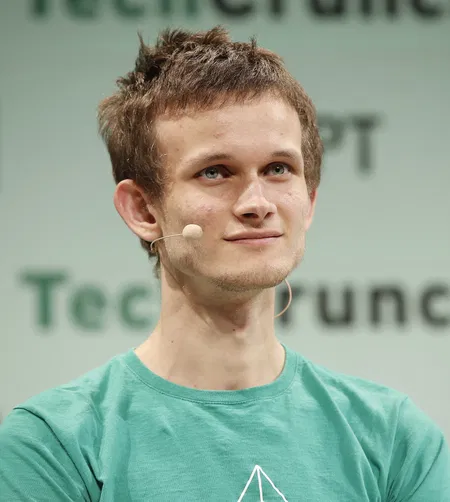
Ethereum founder Vitalik Buterin returns to the podcast to discuss his recent article Endgame, as well as the massive year we observed in 2021. From the future of Ethereum to the rise of alternative Layer 1 platforms, it only makes sense to kick off 2022 by exploring how far we’ve come and figuring out where we’re headed.
How far are we along on Ethereum’s roadmap? What challenges lie ahead?
In a recent tweet, Vitalik posted a graphic of the updated progress of the Ethereum roadmap, and there are five throughlines that are progressing in parallel:
- The Merge
- The Surge
- The Verge
- The Purge
- The Splurge
We dive into what each of these means, as well as discuss what Ethereum will look like as these milestones are met. Holding this up against conversations of maximalism and alternative L1s, now is the time to start asking the big questions.
🚀 Get this episode’s debrief to hear Ryan & David’s unfiltered takes on this episode. 🚀
🎙️ NEW PODCAST
Listen to podcast episode | Apple | Spotify | YouTube | RSS Feed
Bankless Sponsor Tools:
⚖️ ARBITRUM | SCALING ETHEREUM
https://bankless.cc/Arbitrum
🍵 MATCHA | SMART ORDER ROUTING
https://bankless.cc/Matcha
🚀 SLINGSHOT | LAYER 2 SOCIAL TRADING
https://bankless.cc/Slingshot
🏦 GEMINI | TURN FIAT INTO CRYPTO
https://bankless.cc/Gemini
🦁 BRAVE | THE BROWSER NATIVE WALLET
https://bankless.cc/Brave
🦄 UNISWAP | DECENTRALIZED FUNDING
https://bankless.cc/UniGrants
RESOURCES
Vitalik’s Articles
- Endgame
- The Limits to Blockchain Scalability
- Verkle Trees
- Pragmatic Destruction of Self-Destruct
- Crypto Cities
- Legitimacy
- Moving beyond coin voting governance
Vitalik on Bankless
Misc.
🏴 JOIN THE NATION 🏴
Subscribe: Newsletter | iTunes | Spotify | YouTube | RSS Feed
Follow: Twitter | Instagram | Reddit | TikTok | Facebook
Not financial or tax advice. This newsletter is strictly educational and is not investment advice or a solicitation to buy or sell any assets or to make any financial decisions. This newsletter is not tax advice. Talk to your accountant. Do your own research.
Disclosure. From time-to-time I may add links in this newsletter to products I use. I may receive commission if you make a purchase through one of these links. Additionally, the Bankless writers hold crypto assets. See our investment disclosures here.
Transcript
once all of these things are done like i will say this if this is all done and then nothing else ever changes after that then i'll be extremely happy welcome to bankless where we explore the frontier of internet money and internet finance this is how to get started how to get better how to front run the opportunity this is ryan sean adams i'm here with david hoffman and we're here to help you become more bankless guys we have a fantastic episode today with a vitalik buterin we talk about the future
of ethereum the rise of alternative layer ones as well a few things to watch out for as you listen to this episode the first is we talk about the ethereum roadmap from the guy who actually helped create ethereum how far we are in the ethereum roadmap as well that's number two number three what will ethereum look like when it's all said and done how long will that take number four can centralized alternative layer ones become decentralized in the long term or will they remain
centralized number five what does vitalik make of the term ethereum maximalists number six will crypto actually be able to solve the big scale global problems in the 2020s in this uh decade that we're in david this was a fantastic episode they're all fantastic with vitalik i hope folks listen to each and every single episode with him what did you think about this episode i think this is the perfect episode to kick off 2022. uh this is a hybrid podcast one
one side of it is very granular in detail that's the first half where we talk about the ethereum roadmap just contextualizing and grounding uh people in what's left with ethereum some of the obvious stuff comes up first like the merge and charting but then there's a bunch of other things as well and we talk about those things and why we need them and what they do and what they do for ethereum both now and into the long term and then we actually fold that conversation into the conversation of the al the growth of the alternative layer ones and we talk about how the
first half of 2021 was more or less ethereum's show ethereum just massive success in the first half of 2021 and then the alternative layer ones came on the scene and now there's this growing ecosystem of many different chains all doing more or less similar things with different design structures and a lot of them have chosen centralization as their competitive advantage uh if you will and so getting vitalik's take on that in relation to the ethereum roadmap because some of the things we talk about in the roadmap actually lends itself directly towards
how some of these centralized layer ones can actually migrate into a long-term sustainable robust ecosystem so vitalik not only is is unpacking the ethereum roadmap but also proposing a roadmap for alternative layer ones to actually be successful into the long term uh and so i really enjoyed that conversation and then of course just zooming out and grounding ourselves not just inside the crypto industry but inside of the world at large where are we in the 2020s as you as humans as crypto people what's up with the 2020s and what can we do about
it yeah i think that's been top of mind for me david because like uh going to this decade we're just one year into this decade but we have nine more to go and uh i'm a little worried like i'm a little concerned about where this decade might leave us but crypto is the thing that that keeps me hopeful um and seeing ethereum's roadmap laid out like this also makes me hopeful and bullish uh on ethereum i've never seen ethereum's roadmap as clearly articulated and stated having a precise and concrete roadmap is actually a luxury in the ethereum world and this is not something
that we could have talked about in this depth and with this much uh future in mind up until now so i'm really excited to just unpack all of the ethereum roadmap uh with you the listener uh and also what i'm also excited for you the listener is to do is to like the video uh rate and review us on itunes or wherever you get your podcasts uh and if you're watching on youtube make sure to subscribe so let's go ahead and get right into the future of the ethereum roadmap and the rise of the alternative layer ones right after we get to some of these fantastic sponsors that make the
show possible hey bankless listeners at the end of this podcast ryan and i unpack this whole entire episode in our debrief this is something that we only give towards our premium subscribers but since it's such a good podcast and it's also the first episode of 2022 we've decided to release this one for everyone so at the end of the podcast or if you're watching on youtube in a separate youtube video there is a 30 minute debrief where ryan and i unpack the episode talk about the strategies for alternative layer ones talk about how we're all getting to this end game state
that we are apparently all converging on and it unpacks the other you know crypto topics that we uh have seen in the latter half of 2021 so stay tuned for that and if you want more of these debriefs subscribe to bank list because we do one for every single podcast that comes out bankless premium subscribers have a private rss feed that they get these every single week uh and so if you like what you hear go ahead and subscribe to bankless and you will get that every single week automatically downloaded to wherever you get your podcasts cheers and i hope you enjoyed the debrief arbitrary is an ethereum scaling
solution that's going to completely change how we use d5 and nfts over 250 projects have already deployed on arbitram and arbitrom's defy and nft ecosystems are growing rapidly arbitrary increases ethereum speed by orders of magnitude for a fraction of the cost of the average gas fee when interacting with arbitrary you can get the performance of a centralized exchange while tapping into ethereum's level of decentralization and security if you're a developer who wants low gas fees and instant transactions for your users visit developer.offchainlabs.com to get started building your application on
arbitrom if you're a user keep an eye out for your favorite defy apps or nft projects building on arbitron many of your favorite apps are already live with many more coming over soon you can find these apps at portal.arbitrum.one and you can bridge your assets over to arbitrary using bridge.arbitrom.io in order to experience defy and nfts the way it was always meant to be fast cheap and friction free when you shop for plane tickets you probably use kayak expedia or google to compare ticket prices so why would you limit yourself to just one exchange when you trade crypto when you make your
trades you want to make sure you're getting the best possible price on your trade and that's why you should be using matcha matcha has smart order routing that splits your trade across all the various liquidity sources in ethereum and is also operational on polygon avalanche finance smart chain and other chains trading on matcha is super easy because it pulls the liquidity for me in a single easy to use platform and allows me to make limit on chain orders so you can set and forget your d5 trades and they will go through automatically while you're away so when you're making a trade head over to matcha.xyz
bankless and connect your wallet to start getting the best prices and most liquidity when you trade your crypto assets bank list is proud to be sponsored by unit swap unit swap is a new paradigm in asset exchange infrastructure instead of a cumbersome order book system where trades are matched with other humans uniswap is an autonomous piece of software on ethereum that lets you trade any token at the current market price no human counterparties or centralized intermediaries just autonomous code on ethereum input the token you want to sell and receive the token you want to buy the uniswap grants program is
accepting applications for grants do you have something of value that you think you want to contribute to the uniswap ecosystem no matter how big or small your idea is you can apply it for a unique grant at uniswopgrants.org and help steer uniswap in the direction that you think it should go thank you uniswap for sponsoring bankless bankless nation we are super excited to introduce our next guest who requires no introduction really been on the podcast multiple times vitalik buterin is on bank list today he's the creator of ethereum writer at vitalik.ca
a popular bankless guest we have a number of episodes with vitalik welcome back vitalik how are you doing thank you it's good to be here well we want to talk about a few things today with you uh the ethereum roadmap of course the rise of alt ones that was something that happened last year the end game this is an article you wrote called the end game which chronicles i think or describes maybe an end game situation for uh all block chains all layer ones but we also have the privilege of recording this uh toward the end of the year so we can't pass up
an opportunity to talk about some reflections for 2021 just to get us kickstarted so what did you think of 2021 for crypto like high level okay a lot of people say it was a very good year for crypto i think they're mainly talking about prices maybe they're also talking about adoption and mainstream attention what are your thoughts on on 2021 was it a good year for crypto what do you think about it um i definitely think it was a great year for adoption and for mainstream attention um i mean the rise of nfts was definitely
something really fascinating to see and i think it's uh brought a lot of people into the crypto space that we're not uh would not have gone into it before um and i think uh you know things like well at least to me like blockchains are about creating these innovative new um ways to organize society and in some ways to me like what's happening with artists being able to sell nfts really is a realization of that spirit because like we actually are giving uh people
who are creating art and new business models we're uh giving the creators of this thing that's very valuable but that often has a hard time getting business models and a new way to actually get funding um so that's uh something that's uh been very interesting and exciting for me the rise of daos is definitely also interesting and exciting we've been seeing more and more daos that are actually doing lots of interesting things experimenting with
different governance algorithms projects like city dow that are actually trying to you know do things in the physical world um so that has all been fun um the progress that we have seen in layer two scaling i think has been really amazing like we've actually i think over the course of this year really seeing layer two is go from theory to practice um you know at the end beginning of this year there were only like one or two layer twos on mainnet and they either only support well pretty much all when
we supported a couple of applications and now we have this thriving ecosystem and people are really experiencing what a layer 2 ethereum looks like firsthand um so lots of progress on adoption and lots of progress on tech definitely lots of uh happy things to report this year vitalik one thing i've got gathered while being in this space for a number of years i got in in 2017 ryan got in a little bit before me uh but i hear all these crazy cerebral conversations that
happened in the in the bitcoin space in the very early ethereum space from you know 2011 to 2015 uh and just like about you know what the possibilities of crypto could be and i'm from my perspective my limited perspective because i've only been here for for so long is that 2021 was a year where so many of these high in the sky like you know very very cerebral uh possibilities of crypto actually started to happen like nfts and unique tokens were a conversation very very early as well as um dao's even though we didn't
call them daos way back when uh would you say that 2021 was the year that crypto actually started to um uh unlock some of these early uh theorized use cases that were you know only conversations back five years ago i would definitely say so fantastic so vitalik let's uh let's talk about ethereum for a minute and um you know one of these days we're gonna have you on bank list and actually uh not talk about ethereum maybe not talk about
crypto because i know you have tons of varied interests and a lot of insights on on many topics but today it's not that podcast okay we want to talk about ethereum um going into 2022 in in particular so when listeners hear this it'll be the first week of uh january 2022. we want to talk a little bit about um the roadmap for ethereum moving forward but before we do let's talk about the progress ethereum made last year in 2021 so uh what were some of the main
accomplishments milestones i know you mentioned layer two that's probably chief among them are there any others at the protocol level yeah so i think if we focus on layer one uh some of the big things are one is that the beacon chain just proved itself it's uh turned from being this very early thing into an increasingly mature ecosystem it also had its first hard fork the altair hard fork which of course added the a kind of basic scaffolding that we needed to have like line support and it
was also just the first ever beacon chain hard fork which is uh an important trial run for the march um so the next beacon chain hard fork and most likely the next um execution chain hard fork will actually be the merge um so that's exciting um speaking of the merge we also have test nets for the merge now the kenzugi test that uh launched them a couple of weeks ago and of course the consumer test the test that was not even the first test out of the merge there were a couple of other smaller ones that have
been running for a couple of months but conservative has is one that is much bigger than before many more participants than before more extensive than before anyone could go and participate and i even got some uh kimsugi eth from the consumi faucet um a couple of weeks ago um so that has also been i think a lot of great progress um a lot of uh just interesting infrastructure projects uh that have been coming of age um so proof of
humanity has matured a lot and it's been seeing a lot of usage sign in with ethereum has been seeing a lot of adoption and that just like went from i think an idea that a few people were thinking about to something that lots of people are excited about starting to adopt in use over the last few months um what cross layer 2 bridging still in its infancy but um much better than what it was a year a year ago which is basically not existing at all
but account abstraction um there are um test net versions of erc 4337 this is something that hasn't really gotten into the public discourse yet but it's uh moving forward quietly a lot of progress there um so you know lots of small things um lots of uh progress on you know the various spec items that haven't been released yet but that we're going to talk about through the rest of this episode probably just them like a whole bunch of like really meaningful progress on
i think pretty much uh all of the big big things that we care about and by the way for people listening on youtube this is uh the test night you were referring to uh vitalik i believe so what are we looking at so this is uh kinsugi which is the newest um is this the beacon chain plus like ethereum one sort of you know test that this is the basically this is a test net of the merge okay of the merge so like what can people do here is this mainly for developers or is there anything is there
they can connect they can connect nodes they can uh become stakers they can um you know launch contracts and trade coins around let's say this is this is the merge right this is the thing that is going to be put in production so what has to happen between now and like the time the merge goes through is it just a lot of testing a lot of you know validation yeah definitely a lot of testing and auditing and all of that um the uh the one piece that i'm aware of that's like still the
furthest from being certain is how clients would sync after the merge um basically the the the problem is that the way that proof of work um sinks and the way that uh the way that group of steak syncs are a bit different from each other um and so there's a bit of engineering that needs to be done to put the two together uh but this is something that people have already been aware of for a while and so there's um a lot of things in progress and be and uh being implemented um so
i think uh you know so far things are still going smoothly taking another opportunity to zoom out the ethereum protocol has developed throughout 2021 but there's also what i like to call meta development which is um just defining and understanding the long-term roadmap of ethereum to an actual concrete specific detail and sometimes in ethereum's history there wasn't all that much that with regards to details in the future i remember in 2017
i didn't really know what was going to be happening next in ethereum six months out but it seems to be that the meta development of ethereum has gotten a lot more robust and partly that's illustrated by the infographic that we're going to pull up here in a second but vitalik ethereum changes every single year 2015 ethereum's different than 2016 ethereum and and so on and so forth how would you uh contextualize overall with the grand ethereum vision for what it wants to be and then also where it is in 2021 how far along are we are we like 60 of the way there are we 40 of the way
there uh and then if we could just like uh give a grade towards just the progress made so far how would you evaluate it i would say around 50 um i'd be willing to go past six to go past 60 once uh the merge is fully complete and i'd be willing to you know go past 80 once we have a full sharding implementation um but i think uh these like those two biggest items are definitely getting closer and closer but they're not yet in the real rearview mirror
oh that's really cool over over 50 percent we're getting close then um very neat so so let's talk about what's coming so it's david use this term you know i guess meta meta development the roadmap roadmap to me at least this year for ethereum has never been clear which is super cool and you put out this uh infographic on ethereum's birthday um sorry not its birthday the beacon chain launched birthday december 1st uh that kind of highlighted progress across a number of different work streams so i'm
gonna go through those really quick at the high level and then let's take some time to talk about each of them so uh and by the way i love these nicknames that that you know used you christened uh they have a nice flow to them the first is the the merge the second is the purge then we get the verge uh oh sorry i messed this up the first is the merge the second is the surge the third is the verge the purge then the splurge so these are five different work streams the merge is really when proof of stake comes about and proof of work finally
dies the search is about scalability particularly for rollups we'll talk about that the verge is all around stateless clients making ethereum nodes easier to run the purge has a bit of technical debt elimination but also eliminating historical data if you want to find out more and the splurge of course any any good splurge is you know all about the extras all about the goodies and so we got some goodies on the road map as well uh i'm going to show that uh that infographic as we talk about each of these areas um but like to
me the ethereum roadmap has really never been been cleared maybe we could address these things one by one vitalik so let's talk about and i think they're kind of in order maybe of um how soon they're going to happen is that the case so the merge is going to happen first so so time is left to right okay there's there's no top up to down top uh time dimension and that's why the time arrow at the top goes off the right okay very good but we we we should say the merge is probably going to be the thing that's that's happening first uh maybe we should we
should start with that so tell us about the merge sure so the merge is uh the same thing that the merge has always been it's the full transition away from proof-of-work to proof-of-stake um so there has um actually been a lot there's a lot of uh stuff that has already been done for proof of stake that's in the kind of what's already behind us column to the left and so the beacon chain already exists there's already been a warm-up fork proof of stake already has light client friendliness um but
what's left to actually get to the merge right um so the most recent thing that was finished is the full specification of the merge process um so the specification not just of what post-work ethereum looks like but even of how the transition process uh works and so how the process works of like actually changing from one to the other what is the the final proof of work block point going to be how is the first proof of stake um execution block going to point to that proof of work block what happens during edge cases like what
if the chain reorg's right in the middle of that and so all of that that's the the spec um so this exists so that's what these test debts have been running that's where cozuki has been running um so full merge specification test networks in progress fork choice improvements um so basically there just have been a few bugs that have been discovered in the fork choice rule this is the af function that nodes use to determine like which block is the head block if there are multiple competing blocks based on all of the votes that all the different
validators have made and this is just like adding some armor to make it more robust against certain kinds of attacks um so once that's done um then the merge uh can happen right and once the merge happens then you know no more proof of work right um and so then that's the merge um after the merge we have the post merge hard fork um the most important feature of the post mortgage hard fork is just enabling withdrawals right so the merge itself just to keep it simple does not enable withdrawals
um but the post-merge hard fork uh which there is a spec for enabling withdrawals um but the this is something that will actually needs to be done a little bit later just to be clear vitalik this is about withdrawals for beacon chain ether uh depositors and validators uh so this isn't about tokens or anything else right exactly so if you threw your 32 ethan and you're a validator then once the post bridge hard fork happens you will be able to withdraw the ethander rewards and bring it back into the execution
layer well everyone will be able to be able to withdraw all at once or how is that very easy there is a queue um so if lots of people start withdrawing and lots of withdrawals will have to wait and so to be clear of attack those are happening in two different um hard forks right two different stages here and though any any idea on how far they will be apart will these be like months apart um weeks realistically like maybe six months okay six months apart okay so so so that's the merge and that means um proof
of work is gone effectively we just have proof of stake what does this mean for the typical user or the typical defy application will they have to do anything do they have to click a button in metamask that says like upgrade to uh you know merged eth i mean they'll have to upgrade to merged metamask but they will not have to upgrade their ether their applications um so from the point of view of applications like it just it's just like any of the hard forks that we've already been through so effectively effectively nothing
effectively users don't have to do anything at all okay so that's the merge um let's talk about next and by the way with the merge we haven't mentioned of course um all the proof of work issuance goes away as well right so that's it says something over four percent or so and that is now gone um no more proof-of-work issuance uh no more minors on ethereum for the first time that's going to be an interesting um state to be in uh that all happens at the time of the
first merge is that correct yes okay interesting let's talk about the second which is the surge what's the search all about the third is uh scalability increases for rollups through sharding so basically roll ups by themselves are a yellow or two scaling solution and what role the way roll-ups work is that computation and storage go off-chain but data stays on chain right um and this allows um
transactions to happen much more cheaply than they would if everything is done on layer one um but it's they still uh inherit the security of layer one right so roll ups are this compromise that basically gives us a lot more efficiency than layer one with all of the security that um users are used to um and it's kind of the best combination of properties among all of the different layer 2 solutions that have been explored um and it's also i think the only one
that really properly supports um like full evm scripting right like state channels for example uh they're they support payments they can support a few applications but like you can't easily stick una swap in a channel for example but you know you can stick unit swap in the roll-up um so about a year and a half ago i think there was this uh document that i published called the roll-up centric roadmap where basically say like look roll-ups are realistically the scaling that's going to come the fastest and so and we know
that roll-ups work the theory behind them is extremely well established so let's simplify the scaling roadmap by a kind of re-architecting the scaling roadmap around being based around roll-ups as much as possible right so the main thing that we get out of that is that instead of the sharding that ethereum has been planning on having all along uh being sharding of everything so shorting of execution charting accounts starting with smart contracts sharding is just sharding of data right
so it's this very limited form of sharding that basically says all we're going to do is we're going to have this kind of data layer this sort of public billboard that people can stick up to um around two megabytes a second worth of data on and when they do this um then the blockchain guarantees that that data is publicly available i may guarantee is that the data actually was published and that nobody is withholding it but it does not try to interpret the data right now who tries to interpret
the data and that's the job of the rollups right so the layer one just handles data and it's the roll-ups job to kind of convert this highly scalable data plus the little bit of computation that the ethereum blockchain gives you into a lot of computation and we've talked about optimistic ropes and we've talked about zika robes before right so i think people are going to know roughly how this happens um but like the core insight here right is basically is that if you sort of lean on rollups as this machine for converting data into execution then
shorting just needs to support data and shorting can become much simpler um like one example way in which charting becomes simpler is that we the sharding design does not need to have any fraud proofs right so the charting designs that we were thinking about earlier where we actually have execution inside of the shards like we had to deal with this question of like well what happens if one of the shard blocks is invalid right like does someone have to submit a fraud proof to uh show that it's invalid and what if
there is one of these fraud proofs then does that mean that the entire chain has to get reverted and there's like all of this complexity that we have to deal with right but with uh data sharding like there's there's no such thing as an invalid block all there is there is an unavailable block um and so we don't need fraud proof so there's just a lot of machinery in terms of managing state doing cross-shore transactions just all of this complexity that can just completely go away um and so the protocol can be really elegant
and simple and it's roll-ups job and to actually convert this into this kind of high performance i mean a very paralyzed but very secure evm ecosystem um so what this actual roadmap is right so we have the basically four stages here is basically just adding more and more of this data um all right so step one short term call data expansion this is if something like eip4 uh it could be something like the ip4488 could be something like eip490
or just adding more data space in the short term uh to make rollups cheaper then we have basic shorting um and steps two and three like actually you like add-on kind of full-on the like the full-on shorting specification right so they add on this idea that you have these transactions and these trends that can contain a huge amount of data um except at the beginning like we might do we might compromise a bit and we might say well you know everyone still has to download
all of this data but it's just some dedicated space to store the data and so we're kind of easing into the sharding model and rollups can kind of re-architect themselves to actually take advantage of this data and then when we go from a few shards to many shards like that's when we actually kind of take off the training wheels and we say like now finally we don't need to have any node downloading everything right like we just rely on committees rely on data availability sampling we'll rely on all of these other technologies to verify that the data exists without
requiring any single node to download everything individually and then the fourth one data availability sampling this is this really sophisticated technology that clients can use to basically check that all of the data has been published by randomly checking like just random pieces without having to download all of it right so it's like first add data then add more data then add even more data and then near the end we started adding more and more armor to make sure that we have like both the scalability and the
security so more and more data and rollups get cheaper and cheaper and from a user's point of view like users once again they don't really have to notice anything the only thing where users have to do is they just have to move their activity from layer one to layer two at the point when they're comfortable with it right and then once they've moved everything into layer two then all that they see is that layer two just keeps on getting cheaper and then it gets cheaper again and then it gets cheaper again um so that's the surge and so when you say the layer twos just

David Hoffman
Co-owner at Bankless. Optimistic storyteller of frontier technology.
.png-cde5b9c0aa4838d09c634abbd1136ff2.png)

.png-798e4efb158e146f244ec4fecf2eabb3.png)